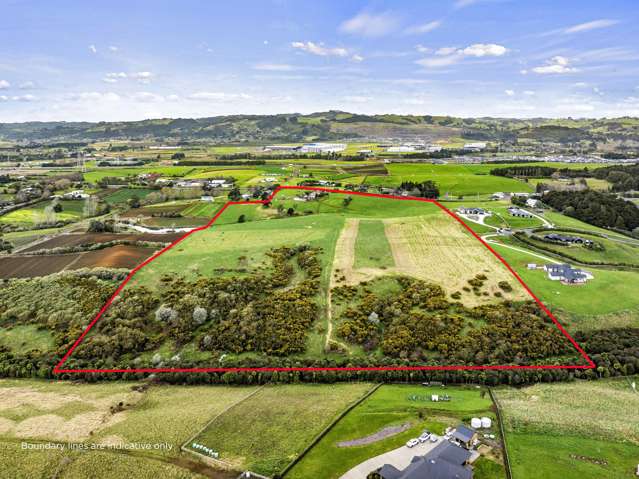
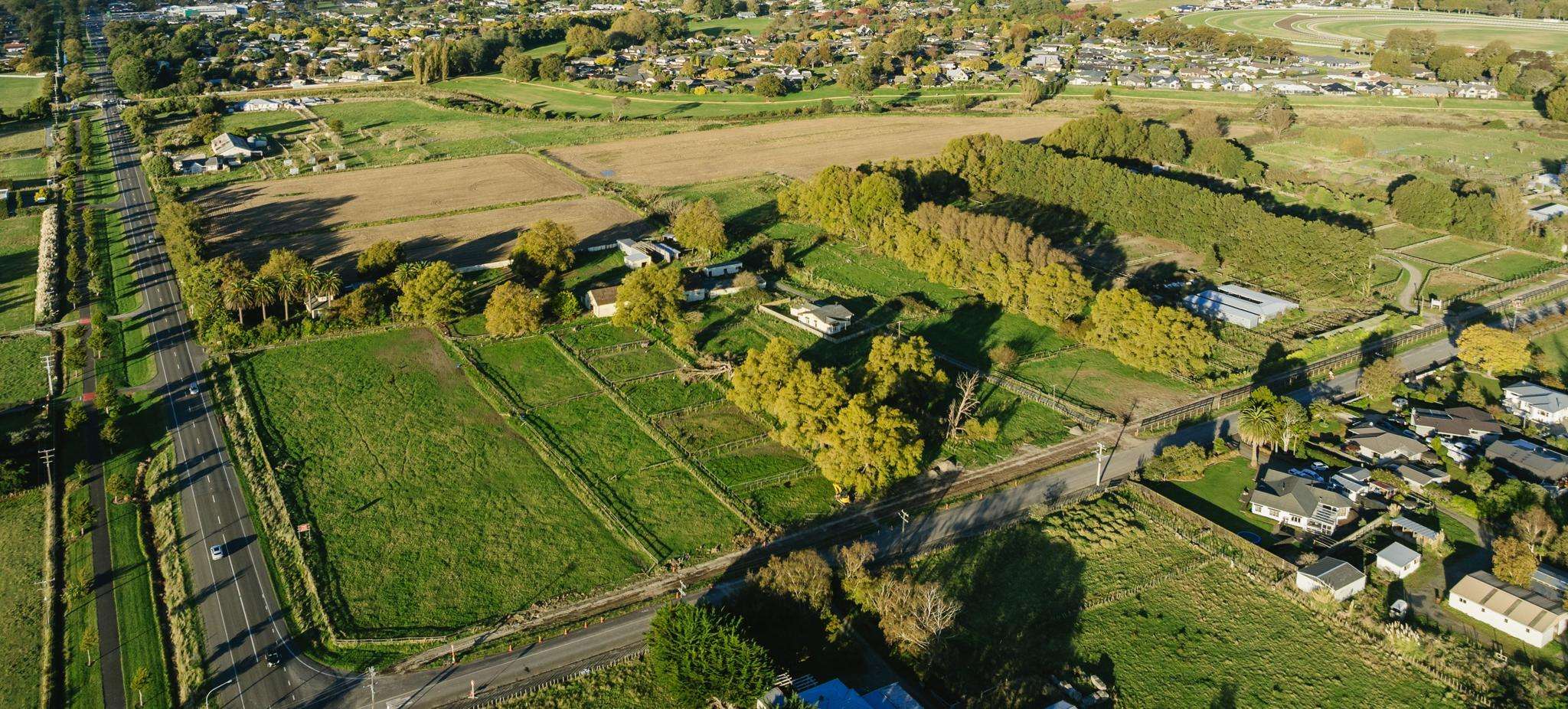
A consented residential development opportunity in Palmerston North is being brought to market. It offers developers, institutional capital and private investment groups the opportunity to secure one of the city’s most advanced large-scale greenfield projects, Bayleys brokers say.
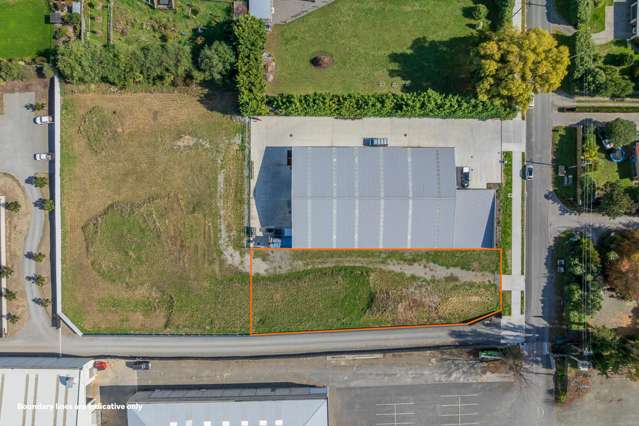
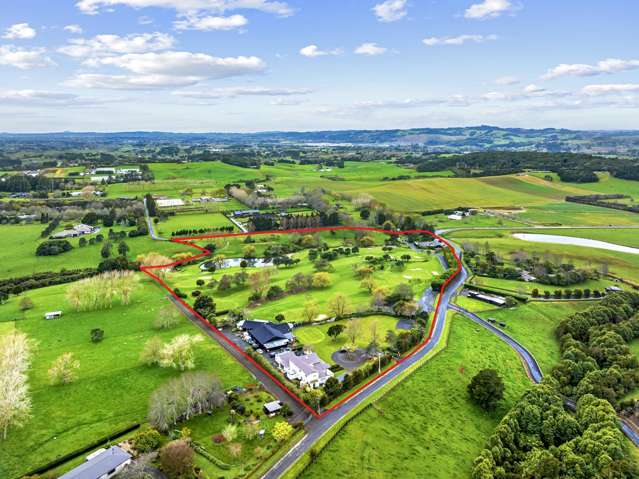
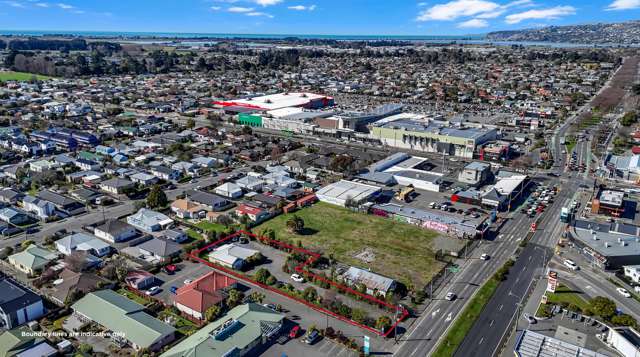
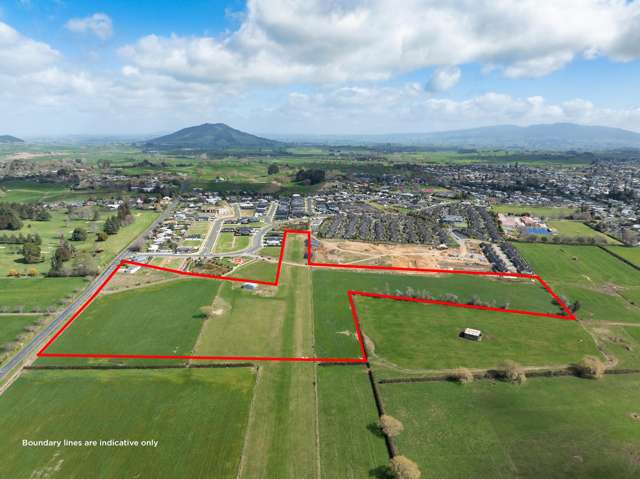
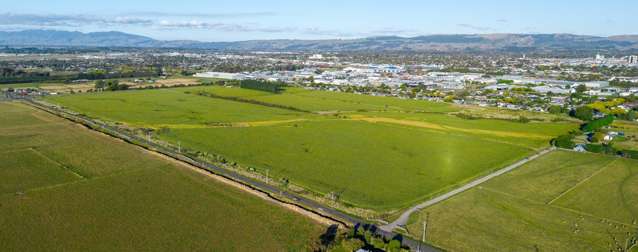
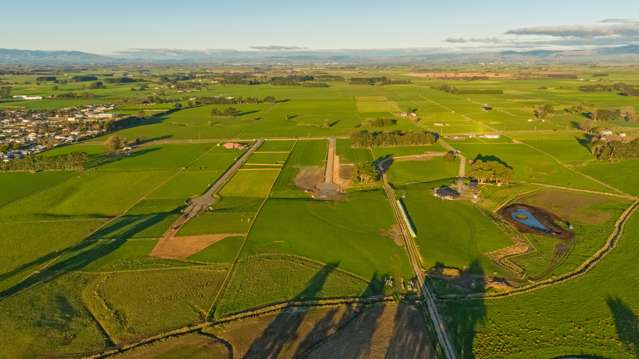
Bayleys Manawatū-Whanganui’s Jack Monckton, together with colleagues Karl Cameron and Mark Monckton, is marketing the 23.20ha (more or less) freehold landholding, Kikiwhenua, at Te Wanaka Road and Pioneer Highway (State Highway 56).
They are inviting expressions of interest closing on Tuesday, 4th August 2026 (will not be sold prior).
Jack Monckton says opportunities of its scale are increasingly difficult to find in growth markets where planning frameworks, infrastructure investment and housing demand are already aligned.
Start your property search
Held across 12 contiguous titles, Kikiwhenua offers a rare combination of scale, planning progress and strategic positioning within one of Palmerston North’s key future growth areas.
“For developers and capital partners, reducing planning risk is often one of the most important considerations, " Jack Monckton says.
“Kikiwhenua has already progressed through several of the critical milestones that typically consume significant time and expenditure, with operative zoning, a Comprehensive Development Plan (CDP) and Stage 1 consent providing a clearly defined framework for future development.
Stage 1 resource consent was granted by the Palmerston North City Council (PNCC) in December 2025 and provides 30 residential lots, road infrastructure and associated reserves.
The broader CDP establishes an indicative framework for approximately 258 lots, including six medium-density superlots capable of supporting around 40 dwellings.
Bayleys Manawatū-Whanganui Commercial and Special Project Sales specialist Karl Cameron says the opportunity comes as Palmerston North continues to strengthen its position as one of New Zealand’s most resilient regional growth centres.
Council forecasts identify a requirement for nearly 10,000 additional homes over the next 30 years, while demand is supported by a diverse economic base anchored by major institutions including Massey University, MidCentral Hospital, the New Zealand Defence Force and KiwiRail’s planned Te Utanganui Regional Freight Hub.
“These are long-term employment generators that provide a durable foundation for residential demand,” Cameron says.
“Kikiwhenua is not reliant on a single industry or short-term growth cycle. It sits within a city that continues to attract residents, investment and significant recent infrastructure spend.”
The site’s strategic significance is further reinforced by its position adjoining the proposed 842ha Kākātangiata urban development area, identified by PNCC as a key component of the city’s future residential expansion strategy.
Council infrastructure plans continue to evolve, with servicing upgrades for Kikiwhenua incorporated into the city’s Long-Term Plan, and preliminary works already underway.
Cameron says the combination of scale, consented status, and strategic location places the property within a category rarely available in regional New Zealand.
“Developers are actively seeking opportunities where planning certainty and infrastructure commitment already exist.
“Kikiwhenua provides control of a substantial holding at the gateway to Palmerston North’s next major growth corridor, creating an opportunity to participate directly in the delivery of a significant future residential community,” he says.
- Supplied by Bayleys