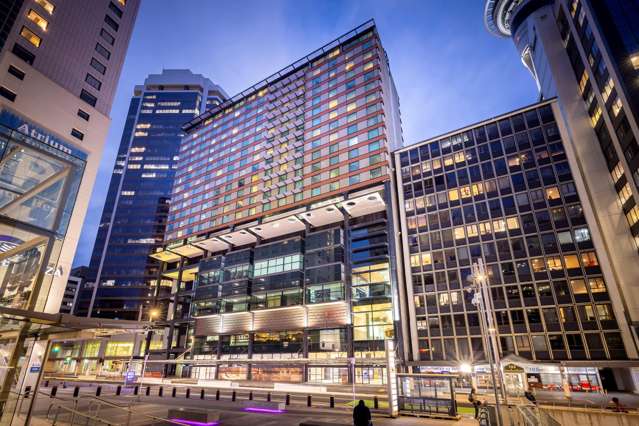
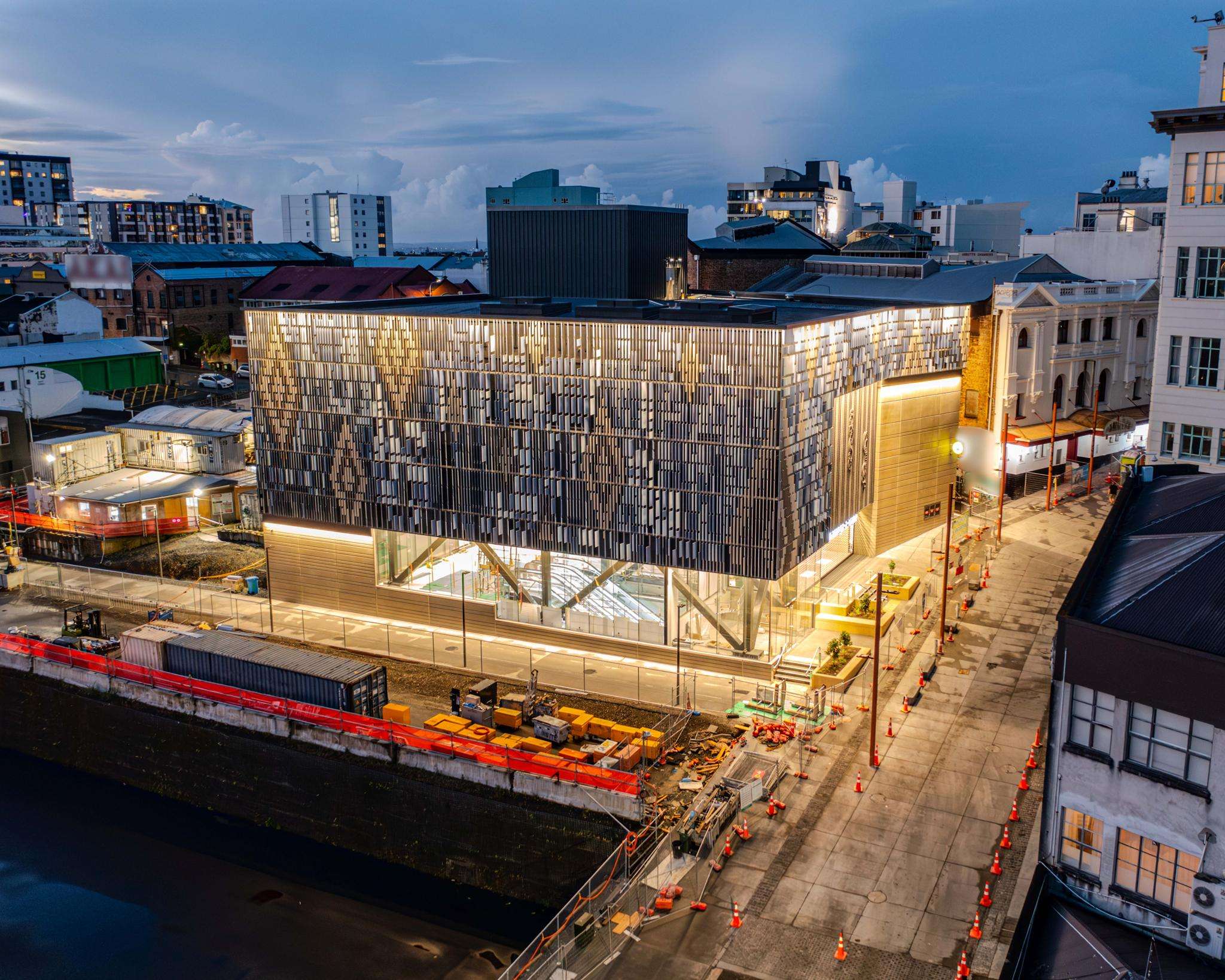
The $5.5 billion City Rail Link (CRL) will reshape demand, development and investment across Auckland’s property market when it opens, but not all areas will benefit equally, according to new research from CBRE.
The CRL is approaching completion after more than a decade of construction.
CBRE’s analysis predicts its impact on real estate will be material, but not consistent across the market.
Some locations and asset types are well positioned to benefit from demand and value uplifts, while others will see a more limited effect.
Start your property search
Tamba Carleton, research director at CBRE New Zealand, said the CRL will undoubtedly change accessibility across Auckland.
“The key question is whether improved access can be converted into occupier demand and development activity. This conversion will be achieved in many cases, but it will not apply everywhere.”
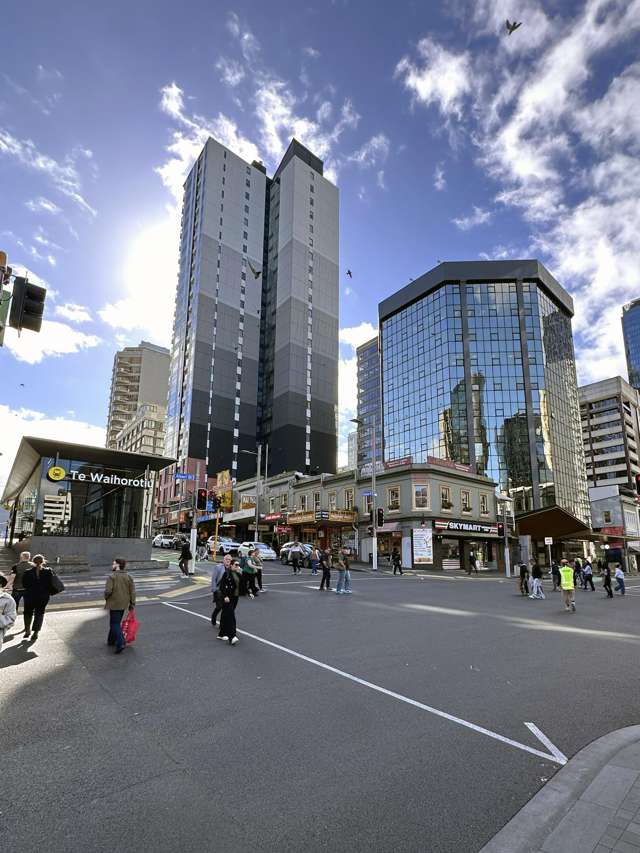
The project brings more of Auckland within a practical commuting distance of the city centre and midtown, making travel faster and more direct, particularly from the western and southern parts of the network.
Accessibility influences how land is used, so as more people and jobs fall within viable travel times, demand patterns change and some areas become more competitive than others, CBRE’s Real Estate Impacts of the City Rail Link report states.
The market has already responded to part of that shift. Residential values in station catchments have, on average, outperformed the wider Auckland market over the past decade, although performance varies significantly between locations.
“In some locations the effect is reflected in price, while in others, it’s reflected in new supply. This difference will continue once the network is operational,” Carleton said.
The office market shows this most clearly. CRL arrives as occupiers reassess how and where they use space.
Hybrid working has reduced overall demand but has also increased the importance of accessibility and amenity in location decisions. Proximity to public transport is now a core requirement for many businesses.
“Improved access strengthens the position of better-connected, higher-quality buildings. It doesn’t change the fundamentals for the rest of the market.”
CBRE expects this to result in greater separation between assets in terms of demand.
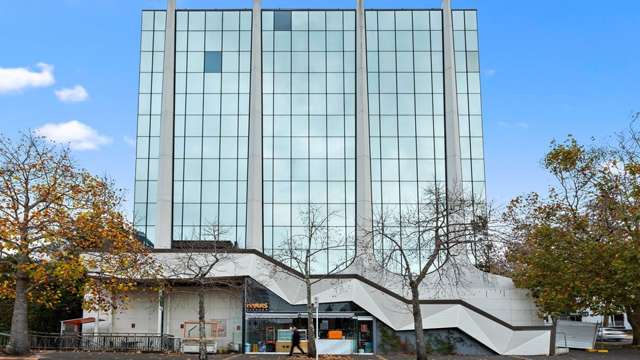
Prime buildings in well-connected locations will continue to see stronger demand over time, while secondary stock will face increasing pressure unless it can be repositioned to meet occupier preferences.
The same principle applies to development. The report identifies Maungawhau Mt Eden as a clear opportunity created by CRL, with its large landholdings enabling well-considered urban planning and a short connection to midtown.
“Maungawhau is one of the obvious development outcomes on the network, given the makeup of the suburb’s landholdings and proximity to the city centre,” said Carleton.
Across the residential market, the greatest impact is expected to come through redevelopment, rather than solely an uplift in existing property values.
Build-to-rent development is expected to play a larger role in the early years after the CRL’s opening, as it aligns more closely with rental demand.
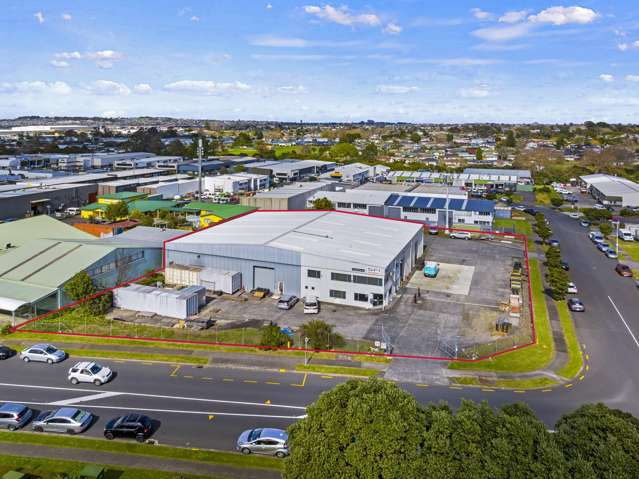
Beyond the CBD, the effects extend across the network. Industrial markets will benefit indirectly through improved labour access and reduced congestion, while retail outcomes will depend on how effectively occupiers in individual locations convert foot traffic into spending.
The opening of CRL should not be viewed as a single turning point for the property market, Carleton said.
“Previous infrastructure projects show that value uplift takes time to emerge, making this a medium-term shift rather than a short-term event.
"The investment has already been made - the next stage is how effectively it is translated into positive real estate outcomes.”
- Supplied by CBRE