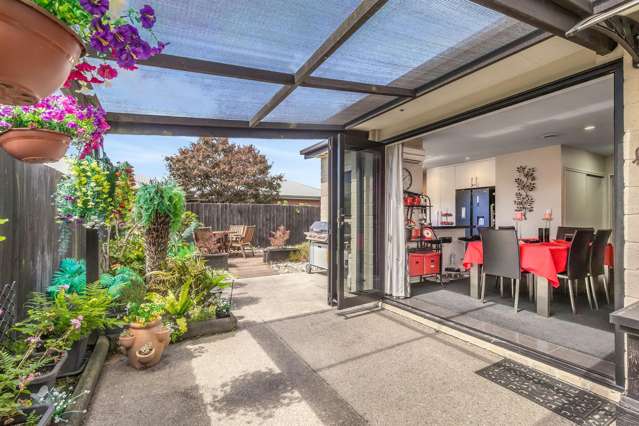
- The number of friends buying homes together is rising, but co-ownership isn’t mainstream yet, says Jose George.
- George advises getting independent legal advice and discussing all scenarios before buying together.
- Co-ownership can work well if terms are agreed upon, but legal liability is shared across the loan.
The number of friends buying homes together is rising, but co-ownership hasn’t become a mainstream arrangement just yet, says Tella mortgages financial adviser Jose George.
Start your property search
While co-ownership can be a good option for people who don’t have enough funds for a home deposit on their own, there are pitfalls, and getting good, independent legal advice is a must, George says.
Friends need to be aware of what can go wrong, and George urges them to discuss every possible scenario before they buy together.
The joint ownership model is fairly straightforward when people buy as a couple, with both parties owning the property together in equal shares.

Tella broker Jose George says without clarity at the beginning, arrangements can turn into a big mess. Photo / Supplied
But co-ownership with one or more friends can be more complicated and each party does not necessarily need to own an equal share.
“You could have a major participant and a minor participant. You’ve got to put a property sharing agreement in place,” George says.
“When you’re buying with a bunch of friends, you need to be clear about what you’re buying into. What happens if one person has a partner or a family, or if one of the partners in this agreement loses a job and therefore can’t support their end of the mortgage repayment?
Discover more:
- Wealthy women in New Zealand: How they made their money, how they are spending it
- Former gang town is NZ's hottest suburb - why house prices quadrupled
- Would you build a house here? Sliver of land between two roaring highways for sale
“Essentially, what happens is that all parties involved have legal liability across the entire loan. It’s not just for their share of the loan, so that’s really important.”
If someone on the mortgage loses their job, the other parties are still legally obliged to cover the whole mortgage. “From the bank’s point of view, it’s one loan. That’s the piece you need to be careful about.”
Without that clarity, arrangements can turn into a big mess, he says. Other tricky scenarios could see one party move a partner into the shared home, or move out but keep their share of the house.
“It sounds fantastic [to begin with] but life happens.”
He urges those thinking about buying with their friends to discuss how long they want the arrangement to last, whether each party will live in the house, and how to divide the costs, including rates, insurance and expenses.

Co-ownership does not have to be a lifelong plan but can be a great opportunity to get onto the property ladder. Photo / Fiona Goodall
George also says buyers should assess how responsible their friends are, “because not everyone is on the same page in terms of their financial behaviour”. If a friend gambles or uses Afterpay a lot, then that could be cause for caution.
“There’s nothing worse than getting caught out after you’ve signed the paper.”
Saying that, George notes that the majority of co-ownership arrangements work well. If people have discussed and agreed to the terms, then the method can work well.
Talking to a mortgage broker or financial adviser at the outset can be a good idea as the adviser can provide an understanding of some of the pitfalls, and they should always recommend getting proper legal advice.
Co-ownership does not have to be a lifelong plan, but is a great opportunity to get into a property which someone might not be able to do on their own, George says.
“Saving up a deposit is the biggest challenge to getting onto the property ladder in New Zealand, so if you’re able to combine with somebody else and get that done, then that’s a great way to launch.”
When the time comes to sell, all going well, each party should walk away with more equity than they originally had, providing a great platform for their next purchase.
Parents gifting or loaning money is a more common method of helping adult children get into their own home in New Zealand, but parents also should be aware of the pitfalls and obtain good advice.
If, for example, they decided to be guarantor and use their own property as collateral, the worst case could see them lose their property, plus aging parents should consider their own retirement needs.
- Click here to find properties for sale