- Banks and wealth managers are increasingly focusing on how women manage their finances.
- Jenna Broadhurst, from BNZ, noted a rise in wealthy female clients and a shift towards younger wealth.
- Female clients prioritise stability, future planning and social responsibility in their investments and property purchases.
Wealth experts are paying more attention to how New Zealand women manage their money.
Start your property search
Jenna Broadhurst, who heads private banking in BNZ, told OneRoof that in the last two years, there had been a huge spike in the number of wealthy women making use of her division’s services.
“In 2023, female clients made up 32% of our customer base, and today they make up 48%,” she said.
Broadhurst and her 60% female team manage the banking needs of customers with $1 million in investable assets (not including property) and an individual income of $300,000 or more.
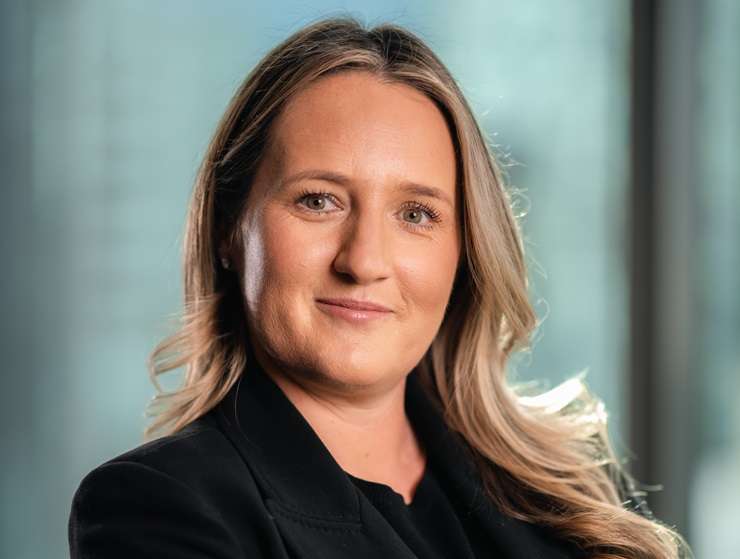
BNZ’s Jenna Broadhurst says high net worth women represent almost half of her private banking clients. Photo / Supplied
She said the tilt towards women in recent years wasn’t surprising, given that 40% of Kiwi companies were headed by women and that nearly one in five chief finance officers were women.
“That [number] is probably not what you think or feel. There is a lot of work to be done, but that is higher than what you would get around the world,” Broadhurst told OneRoof.
Private banking in New Zealand was shifting away from the “old boys’ way of working” to reflect the growth in not only female wealth but also younger wealth, Broadhurst said.
Five years ago, most private banking customers were 65 years and older, she noted. Now people under 45 make up 37% of the bank’s private banking customers. A surprising 8% are 29 or younger – a mix of intergenerational wealth holders, entrepreneurs, and young professionals with already high incomes, Broadhurst said.
Discover more:
- 'She wants it sold': Auckland house with swimming pool and tennis court for sale for $699,000
- $1.2m auction frenzy: Parents slug it out to buy a house for their university kids
- 'We're never moving back': Why Auckland family bought Golden Bay retreat built by Buddhists
“By tradition, private banking was shrouded in secrecy. Our strategy is demystifying the world of private banking, trying to be a bit of a trailblazer,” she said.
“Our proposition is built upon deeply held relationships, understanding [our customers’] goals, motivations, and their risk profile. What do they want to achieve, what keeps them up at night?
“It’s about what part of the lifecycle you are in, and what you need to consider tomorrow.”
The key, Broadhurst said, was private bankers who make the relationship a two-way exchange, as well as matching bankers to clients. Bankers come not just from banking and finance backgrounds, but arts, engineering or technical jobs.
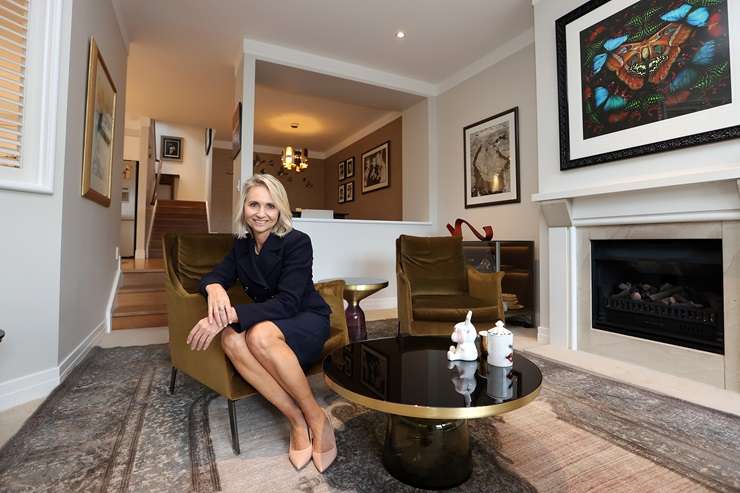
New Zealand Sotheby’s International Realty agent Pene Milne says her female clients tend to value their privacy. Photo / Fiona Goodall
“We’ve got people who specialise in healthcare or people who specialise in tech. They understand their [client’s] industry.”
She noted that women were more future-thinking, more likely to consider connection to the next generation than their male clients. The investment market was also a growing asset class, with Broadhurst noting that around 20% of high net wealth in Australia, and likely New Zealand, was in property or superannuation funds.
“Diversification is important because women want to provide stability. They are looking for balanced risk return in their portfolios,” Broadhurst said.
For her female clients, property represented quality time with family. “It’s not an ostentatious purchase.” Divorce later in life also meant there was a growing number of high net worth single women looking for financial advice and real estate.
Another key difference between men and women was that women generally aimed to make their funds last and, eventually, provide for an inheritance for their families. “In the 54 to 64-year-old bracket, there are 10% more women [clients]. By 70, there are 16% more women, and over 80 years, it widens to 30 to 50% more women,” she said.
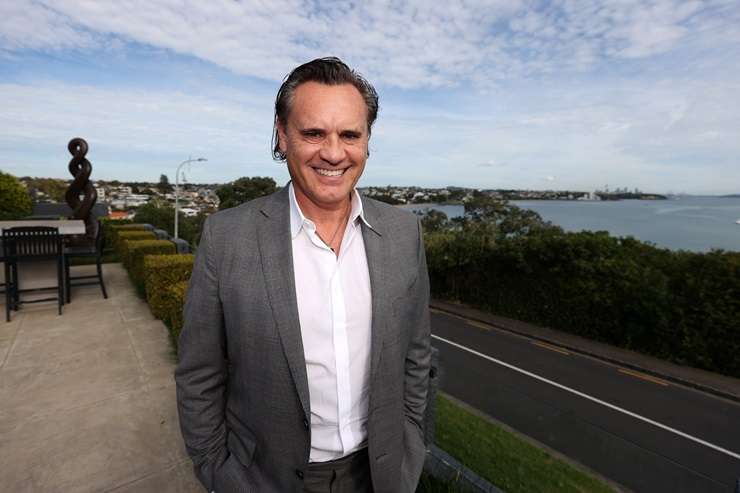
Barfoot & Thompson agent Paul Neshausen: "There are more women in investment circles ... there is more financial literacy." Photo / Fiona Goodall
Broadhurst’s clients were also drawn to companies that provided more than a good dollar return. They tended to dig into a company’s performance on social responsibility and would be curious as to how philanthropy could make a difference.
Prestige real estate agents interviewed by OneRoof had also noticed a surge in female wealth.
New Zealand Sotheby’s International Realty agent Pene Milne said she had a wide range of female clients, some of them single, some of them the breadwinners in a relationship.
“Not all of them are in chief executive roles. Some are high up in things like law. They are influential but understated,” Milne said. “They’re not always the loudest. It’s more discrete and strategic, and they’re buying with a long-term view.”
That meant buying properties that did not require legions of staff to maintain. “Those trophy houses, there is someone at the house all the time. You cannot be private and in your PJs,” she said.
Milne’s female clients also tended to stick to budgets. “They tend to be off the radar and value their privacy.”
Barfoot & Thompson agent Paul Neshausen had also noticed an uptick in female buyers and decision-makers. “There are [buyers] who have sold their businesses and have all this money. They are supported by a peer group of women, their advisors. There are more women in investment circles, so those information barriers have been reduced. There is more financial literacy,” he said.
He said women were buying luxury properties in Auckland, Queenstown, or Waiheke. “We’re also seeing more women coming in from abroad with their money, wealthy women from Australia or China.”
Neshausen said his female clients were big on sustainability, features that supported health and wellness, and locations close to friends and family.
“It’s not about the eight-car garage or how the pool pump works. It is more, ‘how does this house work for my lifestyle?’.”
Neshausen noted that marriage break-ups were driving real estate transactions, estimating that two or three listings a month were the result of divorce.
“They are going their separate ways with half the money, so we are seeing a change in purchasing patterns.”
- Click here to find more properties for sale in New Zealand