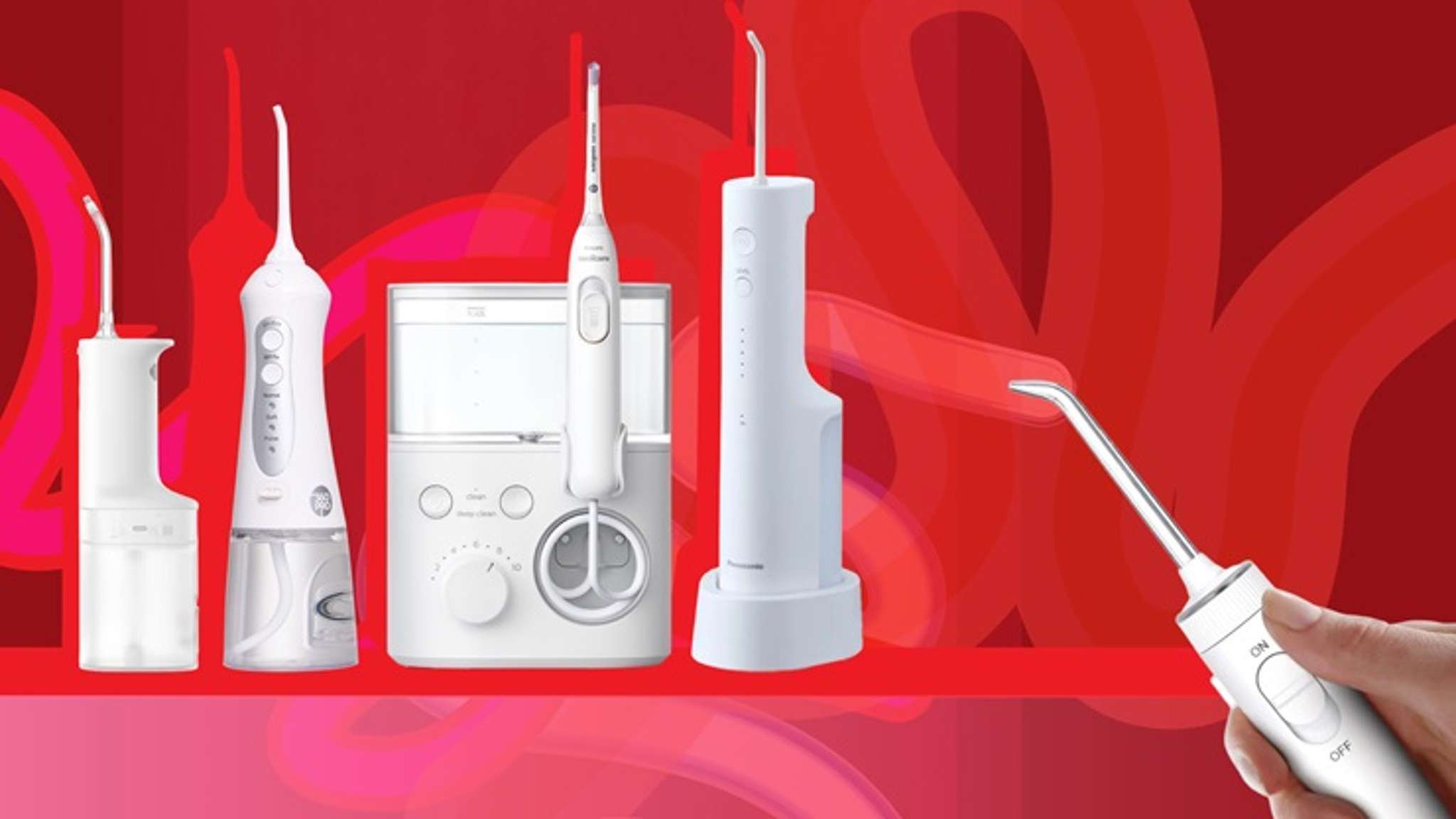
OneRoof’s Ask the Expert series is aimed at helping consumers cut through the noise when buying goods and products for their home. It’s hard to make a decision when there’s so much out there, so who better to trust than the people who have the expertise and use these items for a living?
Flossing is one of those habits most of us know we should stick to, yet many quietly avoid. Traditional string floss can be fiddly, uncomfortable and easy to abandon and, for people with braces, implants or other dental work, it can be particularly challenging to use. Enter the water flosser, a device that has become a staple of many orthodontic treatment plans and is increasingly popular with families. But is it genuinely better for your oral health? We asked the New Zealand Dental Association and a hygienist with more than 20 years’ experience.
Lumino Ponsonby dental hygienist and therapist Bronwyn Weaver says the biggest benefits are for people who can’t manage floss or interdental brushes properly.
“Things like braces, deeper gum pockets, or difficult-to-reach areas – those are the situations where I think [water flossers] can actually add something useful,” says Bronwyn.
Start your property search
So, do you need one?
The New Zealand Dental Association says the most important thing is not whether someone uses string floss or a water flosser, but whether they are cleaning between their teeth consistently and correctly.
“One of the biggest advantages is ease of use. Many people find water flossers simpler and more comfortable to use than string floss, which may also mean they’re more likely to floss,” a spokesperson says.
Are water flossers effective?
The association says evidence shows water flossers can help reduce plaque, gum bleeding and inflammation, and may be as effective as traditional floss in some cases. But they say there is no single “best” interdental cleaning tool for everyone.
Traditional floss still has the edge in very tight spaces because it makes direct contact with the tooth surface, while water flossers use pressure and pulsation to flush out debris and disturb plaque.
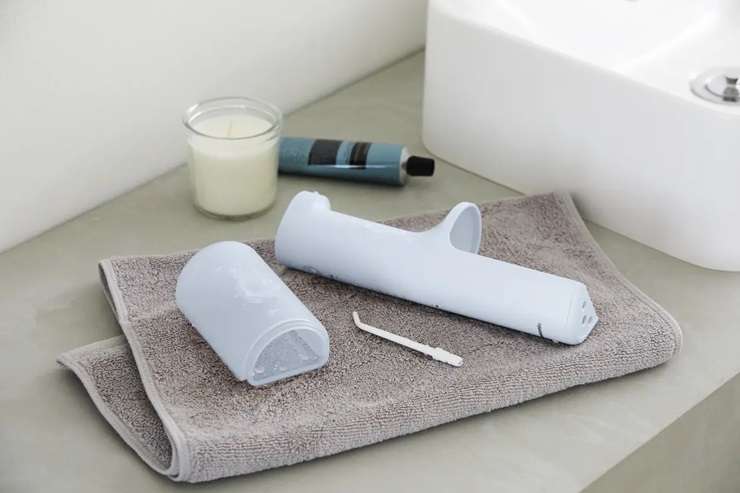
The Panasonic Rechargeable Oral Irrigator Blue. Photo / Supplied
“I don’t think water flossers are better than floss or interdental brushes for that initial disruption. Floss and interdental brushes get between the teeth and under the gumline in a way a water jet can’t quite match,” says Bronwyn.
What features matter?
The New Zealand Dental Association says the best water flosser is usually the one that is easy to use and easy to keep using.
The most useful features include:
- Adjustable pressure settings,
- Comfortable handling,
- Suitable nozzle tips,
- An easy-to-clean reservoir, and
- A design that supports daily use.
“For me, the biggest thing is the power of the water jet. A lot of the smaller handheld ones don’t seem to have enough strength to be truly effective. I also think a periodontal tip is really useful for people with gum disease, because it lets you target deeper pockets down the sides of the teeth between hygiene visits,” says Bronwyn.
In general, she says plug-in models tend to be more powerful and more consistent than rechargeable handheld ones, even if they are a bit bulkier.
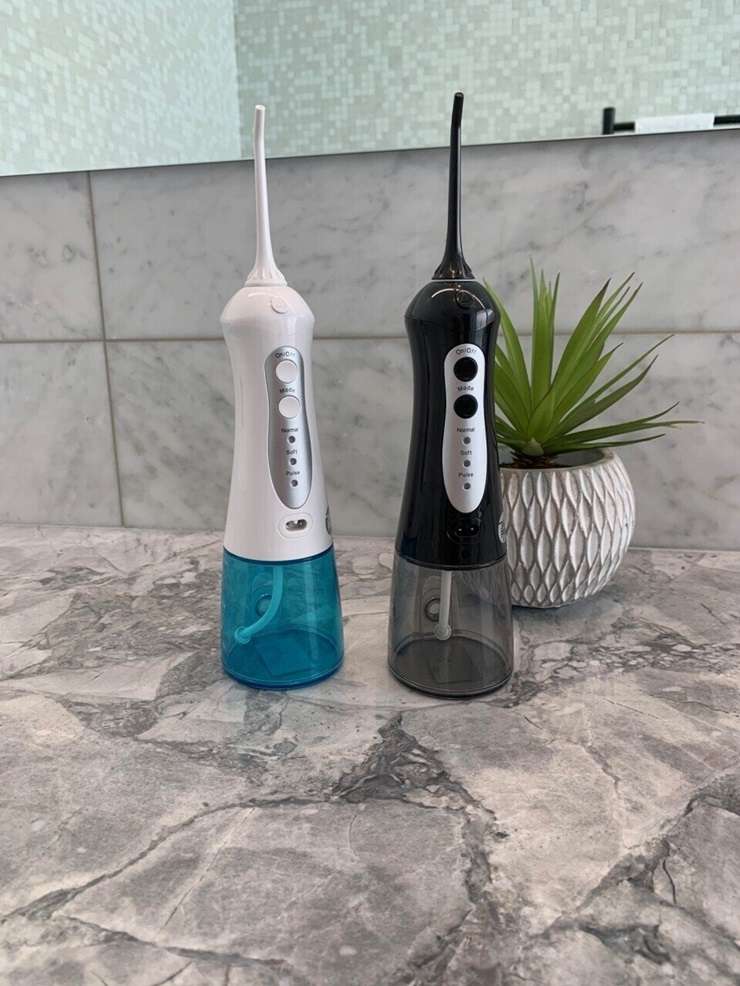
The 360PRO Cordless 200ml Water Flosser. Photo / Supplied
While our experts don’t recommend specific brands, the 360Pro probably offers the best handheld flossing for your money and seems to be recommended among parents with children going through orthodontics.
If you want an entry-level model, the Xiaomi MiHome Water Flosser 2 is one of the lowest-priced handheld models.
The Panasonic Rechargeable Cordless Water Flosser/Oral Irrigator is a step up but still a handheld model, as is this Colgate Blast version.
But do expensive models clean better?
Premium models may offer larger reservoirs, extra nozzles, travel cases and additional pressure settings, but the results in clinical settings are mixed, says the New Zealand Dental Association.
Bronwyn says it’s less about "expensive" and more about the fact that the better-performing flossers tend to be plug-in units.
“They just give you more consistent pressure, which is what actually matters,” she says.
The 360Pro comes in the plug-in version, while the Waterpik Ultra Plus Water Flosser also ranks highly. The Philips Sonicare Power Flosser is probably one of the most powerful in the range but also comes with a price tag.
The New Zealand Dental Association doesn’t recommend specific brands but simply says what matters most is that the device is safe, comfortable to use, has adjustable pressure settings, can be cleaned properly, and is used consistently.
How to get the best from your flosser
Most people should start on a lower pressure setting and gradually increase to a comfortable level.
Don’t rush the process, and make sure to direct the water stream properly along the gumline
Don’t forget to clean the device. Bacteria and biofilm can build up inside reservoirs and nozzles if the device is not maintained properly, including emptying the reservoir after each use and allowing the device to air-dry.
Replace nozzles as recommended.