- Property coaches call for regulation to eliminate “cowboys” and boost consumer confidence.
- Ashley Dean Binnie’s companies owe over $2m, with clients claiming substandard work and unmet promises.
- Debate continues on whether property coaching should fall under Financial Markets Authority or Real Estate Authority.
Property coaches say the time has come for the industry to have some form of regulation or accreditation to weed out the “cowboys” and give consumers more confidence.
Start your property search
The comments come just months after OneRoof reported that companies run by social media influencer and property coach Ashley Dean Binnie were in liquidation owing more than $2m.
Binnie’s former clients claim he left them thousands of dollars out of pocket. Two allege he didn’t deliver on agreements he had with them to manage and renovate flips, saying the work he did was substandard. And a couple who signed up for one of Binnie’s coaching courses on AI in property claim that the system he provided fell well short of what he promised.
Binnie could be banned from starting any new companies – and could be forced to close one he’s just set up, Signal Theory Limited – as a result of the liquidations.

Ashley Dean Binnie ran a property flipping and coaching business and was active on social media. Photo / Supplied

One of Binnie’s posts advertising his expertise as a flipper. Photo / Supplied
One of Binnie's clients told OneRoof that consumers needed better protections and called for increased regulation.
It’s not just consumers who want change. Several property coaches OneRoof spoke with agree. Ilse Wolfe, owner of Wolf Property Coaching, supported “removing the cowboys from the professionals”.
She said it was not right that someone could call themselves a property coach after flipping just one property.
Wolfe, who has been investing in property for more than 20 years, believes there should be some sort of accreditation system for property coaches. She said would-be coaches should have to provide evidence they had reached a level of success, with case studies and clients to back it up.
“I think you have to be able to claim something you’ve actually achieved. I just don’t think someone can teach others unless there’s been repeated success in that area.”
Discover more:
- 2026's house price winners: Values up in almost 90% of South Island suburbs
- Plenty of shoes on the porch: Inside Jacinda Ardern's Auckland bungalow
- Private 'school' linked to failed property influencer faces mortgagee auction
Property coach Steve Goodey also supported change, although he suggested the sector could be self-regulated and have a code of ethics, which included rules that coaches could not borrow money from or lend money to a customer, and that they would disclose financial interests at any point.
“We could genuinely be better and do better,” he told OneRoof, arguing that bad actors made the entire sector “look like cowboys”.
Goodey said while property coaching “verges on a lot of different businesses”, he did not believe property coaches should fall under the Financial Markets Authority or Real Estate Authority.
“I don’t particularly want to be under the FMA and go and do months and months of training to learn about Bitcoin and Crypto and shares and unitised trusts, things I’m never going to use, because my industry is very different.”
Financial Ombudsman Susan Taylor said property coaches might fall under FMA rules depending on the nature of the service.

Ilse Wolfe, owner of Wolf Property Coaching: “I think you have to be able to claim something you’ve actually achieved.” Photo / Supplied
While a property coach providing educational material and generalised strategies did not fall under the FMA, one who recommended specific properties, mortgages, or financial products tailored to a consumer’s personal situation would likely need a licence.
Taylor said the difference between coaching and financial advice was “murky” and welcomed further clarity in the regulations around this.
Property Apprentice owner Debbie Roberts agreed that property coaching could technically fall under both the FMA and REA.
She became a financial adviser more than a decade ago because she thought it was better to be safe than sorry. “To be completely blunt, I think a lot of the people coaching at the moment wouldn’t be able to be financial advisers because you can’t have a previous history of bankruptcy or anything like that. So that would put a lot of them out right off the bat,” she said.
“Some of the companies that are out there now, they’ve been bankrupt before and reinvented themselves further down the track two or three times ... I don’t know how some of these business owners sleep at night, I really don’t.”
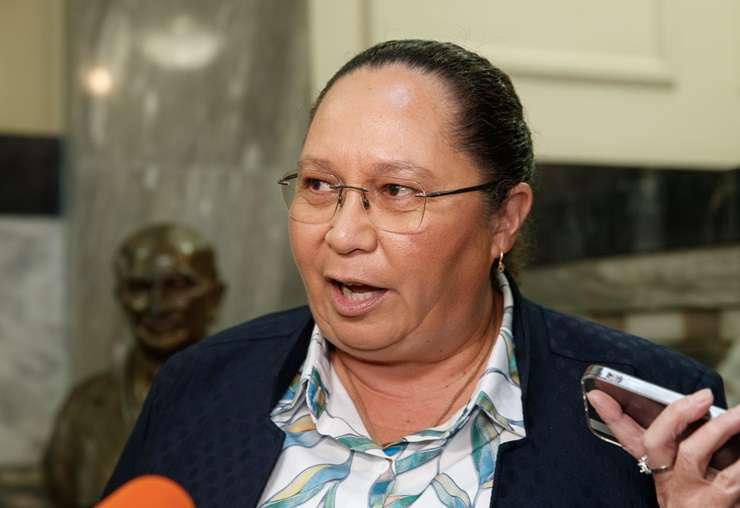
Associate Justice Minister Nicole McKee says there is no evidence at this stage that further regulation is needed in the sector. Photo / Mark Mitchell
Roberts called on the FMA to step in to better protect people from dodgy operators. Likewise, someone who was in the business of finding property deals and on-selling those should be covered by the REA.
“It kind of feels – and this is the cynical part of me – it kind of feels like we are at that stage in the market where the flippers aren’t making as much money from flipping, so they start teaching it.”
Opes Partners resident economist Ed McKnight agreed the sector should fall under the FMA. “It’s probably overkill to set up a specific regulator for property coaches. In my mind, a lot of what these providers are doing is financial advice but dressed up as not financial advice.”
Because there was no formal regulation of property coaching, there was no formal complaints process like there was with financial advisers and real estate agents.
“With property coaches, if people have issues, well, you go to Reddit to complain or a Facebook group to complain because there isn’t a set process like there is for real estate or financial advice services.”
Michael Hewes, director of credit, deposit taking, insurance and advice at FMA, said property itself was not a financial advice product, but advice may cross into regulated areas such as residential lending, KiwiSaver withdrawals for first-home purchases or related insurance products like home and contents.
“Property coaches should be aware of where the boundary lies, as once they give advice on financial products, i.e. an opinion or recommendation on one, then the licence obligations of a financial advice provider kick in.”
A REA spokesperson said whether an individual or business was providing services that met the definition of real estate agency work depended on the specifics of the situation and activity.
A person providing general advice on how to buy and sell property may not meet the threshold of real estate agency work, the spokesperson said. The REA would step in and adjudicate if the services were intended to bring about a specific real estate transaction.
Associate Justice Minister Nicole McKee said there was no evidence at this stage that further regulation was needed when the FMA, REA and consumer protection laws were already in place.
“If there are specific examples where people believe the current law is falling short, I encourage them to contact my office,” she said.
Kristine King, the chair of property law at the New Zealand Law Society, said consumers should do their due diligence before engaging the services of a property coach.
“They should understand exactly what services are being provided, whether the coach is qualified to give legal, financial or investment advice, how they are paid, whether there are any conflicts of interest, and what recourse is available if the advice proves to be inaccurate or causes loss.
“Consumers should also remember that purchasing property is often one of the largest financial commitments they will make. While a coach may provide education or strategic guidance, legal advice, financial advice and tax advice should be obtained from appropriately qualified professionals where those issues arise.”
- Click here to find properties for sale