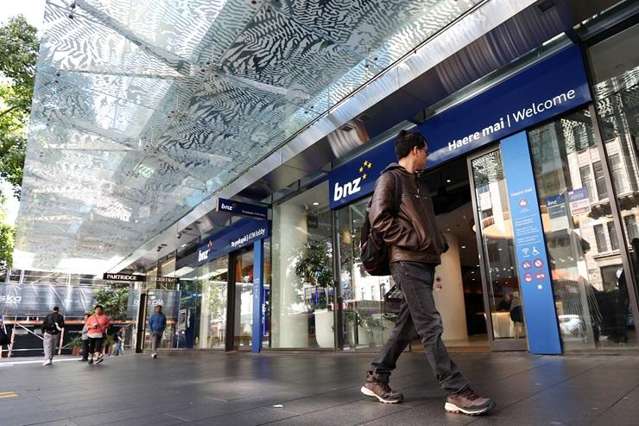
ANALYSIS: Recent readings of how businesses and consumers feel about the immediate future have fallen away strongly from the levels that prevailed before the Iran War. Businesses have shelved hiring and investment plans while consumers say they plan to rein in their spending.
On the face of it, one would think this means the economy is headed for recession with the usual deeply negative implications for the housing market. However, there are some important points to note, and they tell us that the widely expected upturn in the economy will likely be delayed and initially softened rather than cancelled.
First, there is good growth in incomes for many primary producers, especially in the dairy and red meat sectors. Upturns in their income have traditionally driven a broader upturn in the economy and the housing market. The good prices farmers are getting have been boosted by the relatively weak Kiwi dollar.
There may also be some upward pressure on export prices due to growing worries overseas about food production levels falling as a result of reduced availability and higher fertilizer costs. We produce what a lot of the rest of the world values and wants.
Start your property search
Discover more:
- Tony Alexander: Recession fears - have Kiwis pulled back from the brink?
- Mortgage fear: Rising fuel prices ‘making people think twice about more debt’
- Raising OCR not the answer: Kiwi economist’s frank warning
Second, monetary policy has eased considerably since the middle of 2024, with the likes of the popular one-year fixed mortgage rate currently sitting around 4.65%, compared with 7.14% exactly two years ago.
Third, the negative effects of the Iran War do not come at a time when our economy has been growing well, and businesses have become cyclically wasteful in their spending and structures. Instead, businesses have been trimming excess expenses over the past three years, including labour.
Lots of restructuring has already been undertaken, which means we are not facing an imminent sharp jump in the number of people out of work. The jump has already happened.
Related to these three years of restructuring is the possibility that many businesses have long been putting off investments and strategic moves and don’t feel all that willing to keep doing so. Feedback in the commercial property sector, for instance, is that new developments and refurbishments etc are being actioned because they are key to long-term growth plans.
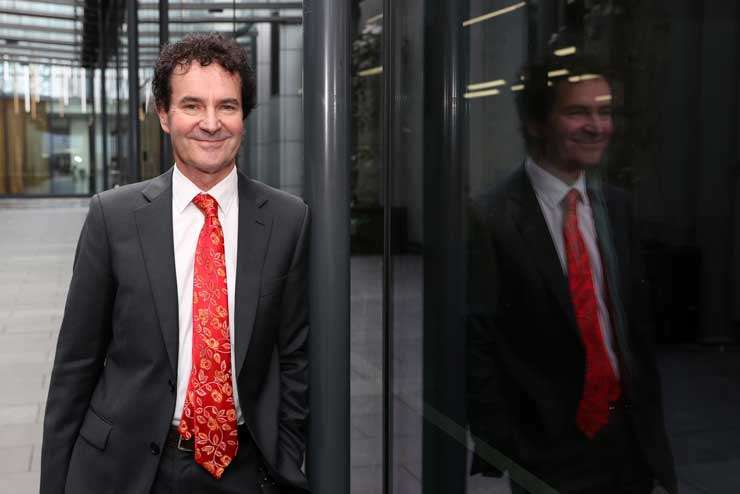
Independent economist Tony Alexander: "We produce what a lot of the rest of the world values and wants." Photo / Fiona Goodall
Fourth, a host of smaller positive factors are in play. Foreign student numbers are rising with potential for good growth as Australia pushes back on issuing study visas because of concerns about housing market pressures. Tourist numbers to New Zealand have been growing, and if the snow comes, the skiing season could be a boomer because of the NZ dollar’s very low rate of exchange with the Australian dollar.
The net migration numbers have improved over the past year to deliver a (still below 47,000 average) net gain of about 24,000 people from 11,000 a year back, and infrastructure spending is growing.
None of these things means the economy will not be challenged by the current and yet-to-arrive negative effects of the Iran War. In particular, higher fuel bills will crimp business margins again and encourage consumers to cut back spending in other areas.
But we are not facing a GFC, post-pandemic correction, or monetary policy-induced crunch. Our economy has some valuable strengths, and this means both the Reserve Bank and Treasury later this month are still likely to predict growth in our economy this year, with better growth through 2027 and 2028.
And housing? Amidst ample supply, consumer caution, rising construction, and slowly rising borrowing costs, prospects for capital gains this year look dim. But turnover is likely to hold near current levels.
- Tony Alexander is an independent economics commentator. Additional commentary from him can be found at www.tonyalexander.nz