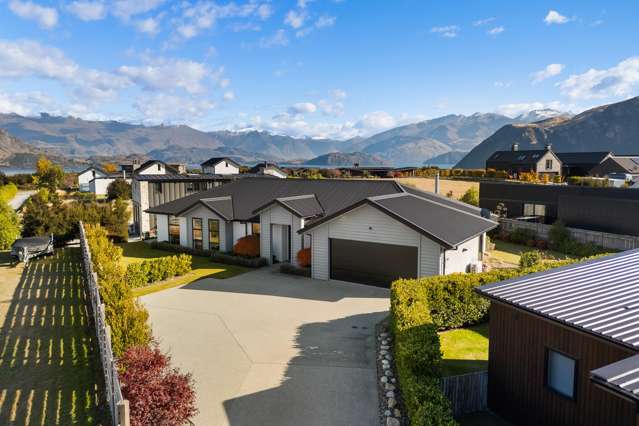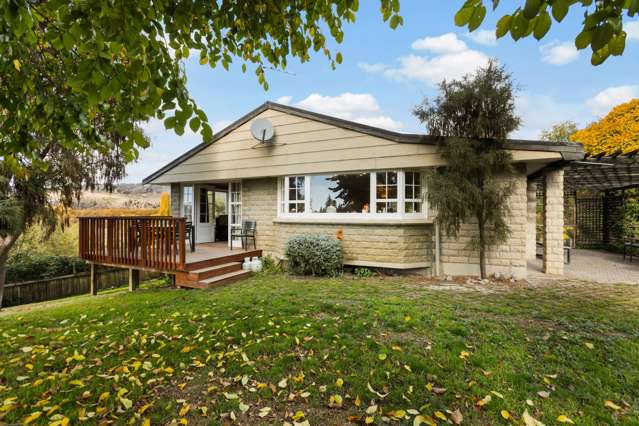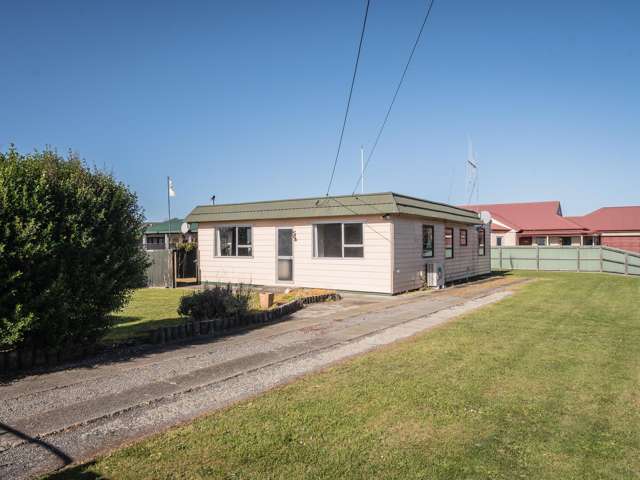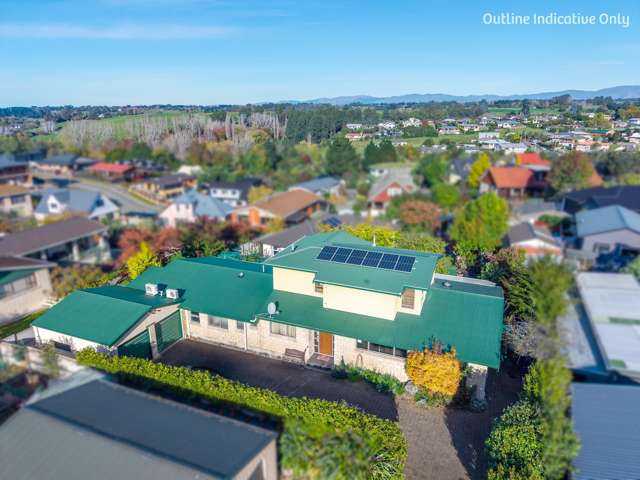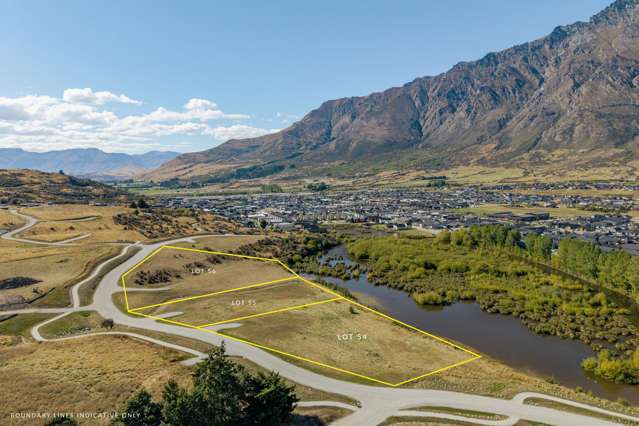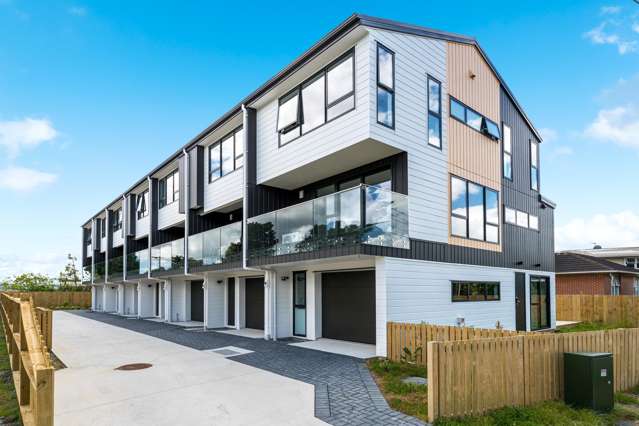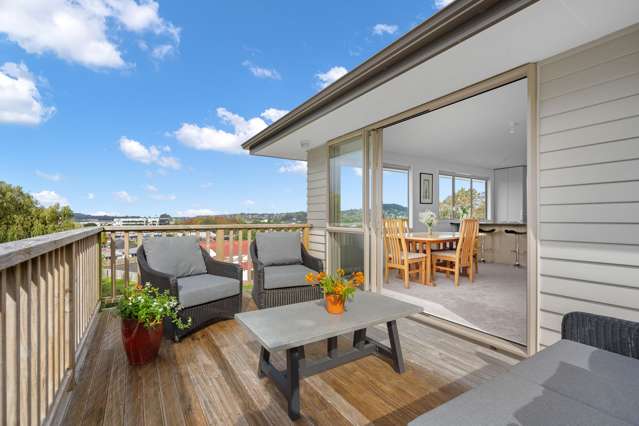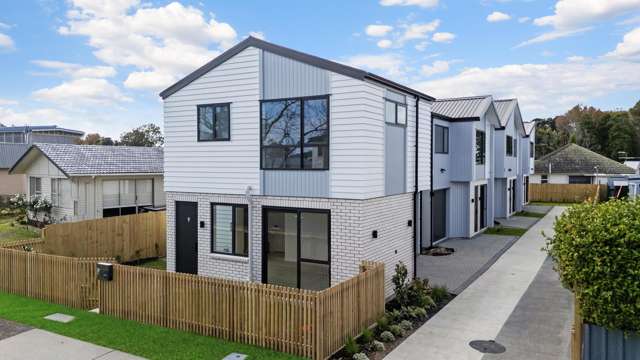
- Queenstown-Lakes' high rents and house prices force residents into shared rooms and garages.
- The average property price is $1.8 million, with rents for a three-bedroom at $1000 weekly.
- Demand for affordable housing far exceeds supply, pushing workers to commute long distances.
In Queenstown-Lakes, even well-employed adults are sharing rooms, hot-bedding, or living in garages, as sky-high rents and punishing house prices leave them with little alternative.
Start your property search
The numbers for getting on the property ladder or securing a decent rental within a reasonable commuting distance don’t stack up in many cases.
Queenstown Lakes Affordable Housing Trust chief executive Julie Scott said the district's housing market was “madness”.
Some 1600 households, 7% of the Queenstown-Lakes' total resident population, are on the trust’s waitlist for an affordable rental or are seeking help to get into their own home.
Those on the list include tradies and key workers such as nurses, social workers or teachers. Most have a household income of around $80,000.
Scott said living or renting in Queenstown or Wānaka was just too expensive. “We have incredibly high property prices, and we also have incredibly high rents,” she said.
“Typically, at the moment our average property price in the district is around $1.8m, which madness really isn’t it compared to the rest of the country.”
In Queenstown-Lakes, the average property value has risen by more than 60% in the last five years, hitting a peak of $2.14m, according to the latest OneRoof-Valocity house price figures.
Renting isn’t any cheaper, with a standard three-bedroom rental setting someone back at least $1000 a week, Scott said. The national median rent is $565 by comparison.
According to the latest Census data, 27% of Queenstown’s dwellings are unoccupied compared to 11% nationwide, and Scott cites the high number of holiday homes and short-term lets as reasons for the imbalance in the market. The high cost of land and construction was also contributing.
Demand for housing assistance had eased during the Covid crisis, when many short-term rentals became long-term rentals and rents dropped by about 30%, but the problem returned once New Zealand reopened its borders and all the tourists returned.
“We had a spike like that where rents suddenly jump back up, and all of a sudden people are getting kicked out of their homes, and you see people jump back onto our waiting list.”
Some workers, she said, were paying big bucks to live in crowded situations while they waited for a trust home to become available. “There are a lot of shared rooms, so you might not have your own room. If you are new to town, you might be sharing a room with someone else, and as a grown adult, that’s not really an ideal situation.”
Discover more:
- Revealed: The mansion capital of New Zealand - and what $32m can buy there
- Ski town with no shops, no coffee carts - 'we don’t need cafes, this is how we live'
- Ex-All Black Julian Savea opens up - rugby titan on why he's selling his lifestyle block
Scott said hot bedding was common among hospitality workers, where one person uses the bed at night and the other sleeps in it during the day. OneRoof has also learned of people sleeping in garages to make ends meet. “People do all sorts. They struggle.”
With demand for affordable properties far outweighing supply, workers were increasingly moving further out and commuting - often more than two hours a day. “People do move to places like Cromwell or Kingston. Hāwea is a lot cheaper, but if you are working in Queenstown, you will probably be travelling an hour and 15 minutes each way. So, it’s still in Queenstown, but it’s a big old commute, and it’s pretty expensive with the cost of fuel."
Some returned to their hometowns—particularly those starting families and seeking support—while others relocated to more affordable areas, which in this case meant almost anywhere else in New Zealand.
Queenstown-based economist Benje Patterson said the only way everyday Kiwis could afford to live in Queenstown was by compromising. “That can be compromising through the size of the dwelling, and if you just look at section sizes and some of the sizes of houses in these new subdivisions, not to mention the increasing array of townhouses on the market, that’s a very plausible way.”
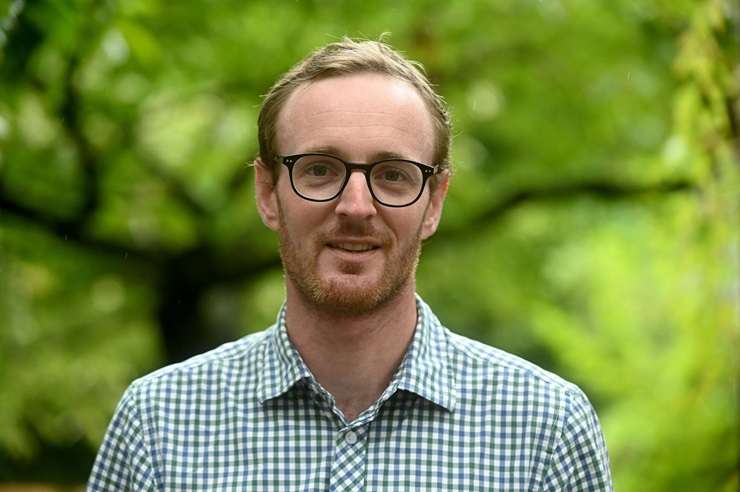
Economist Benje Patterson says buyers and renters are having to compromise in the current Queenstown market. Photo / Supplied
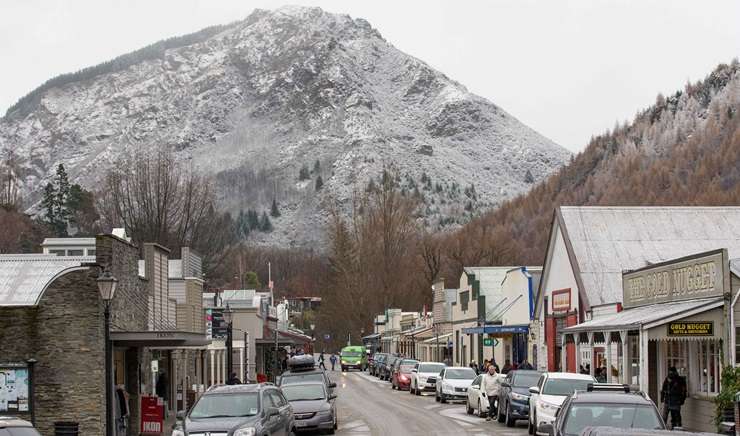
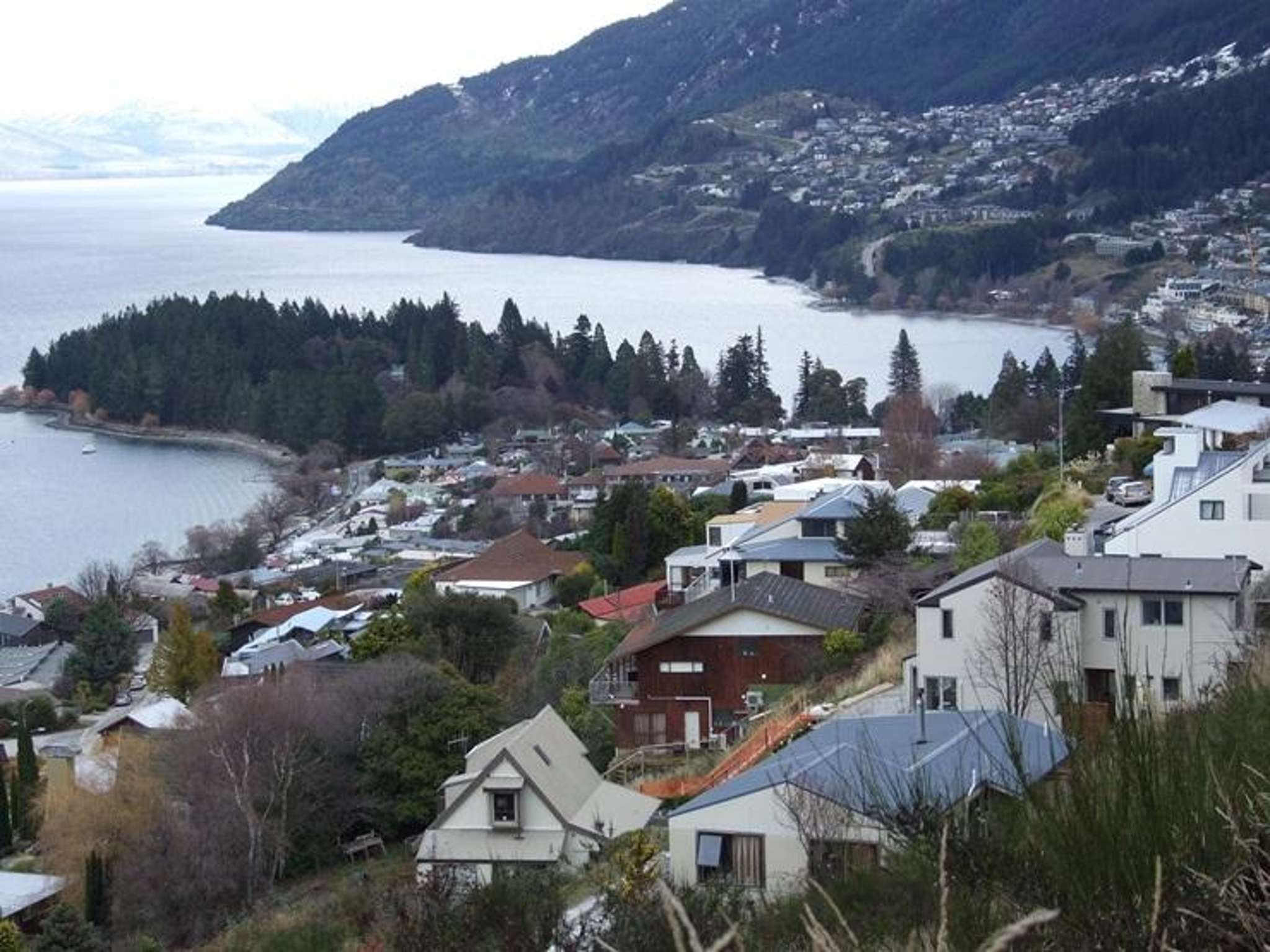
Arrowtown, pictured above, and Lake Hayes are benefiting from demand at the other end of the market. Photo / James Hall
Another increasingly popular option was to create another income stream by buying a property where they could either have a lodger or flatmate or live in one part and rent the other, he said.
In newer suburbs like Hanley’s Farm, Jack’s Point and Shotover Country, a significant proportion of building consents have been issued for homes with attached residential flats.
“It’s not a usual, functioning housing market. The sort of conversations that you have here with people looking to purchase their first property or move to another property in the area are much different to what you would have in other parts of New Zealand, let alone other parts of the South Island.”
Even Auckland was “cheap as chips compared to Queenstown”, he said.
Queenstown was almost a victim of its own success, he said, and was so expensive because it was a “jaw-droppingly spectacular place” that Australians and others from around the world wanted to either visit or retire to.
“It is absolutely an object of desire across Australasia and for many parts of the globe. We have an unparalleled quality of life. Where else can you put a head torch on and climb a mountain before Christmas or go for a ski, or a mountain bike, or if you feel like wining and dining, you’ve got dozens and dozens and dozens of world-leading vineyards and restaurants that people travel from far and wide to come and enjoy, not to mention the view. So, we have all that – that’s very unique in the New Zealand environment.”
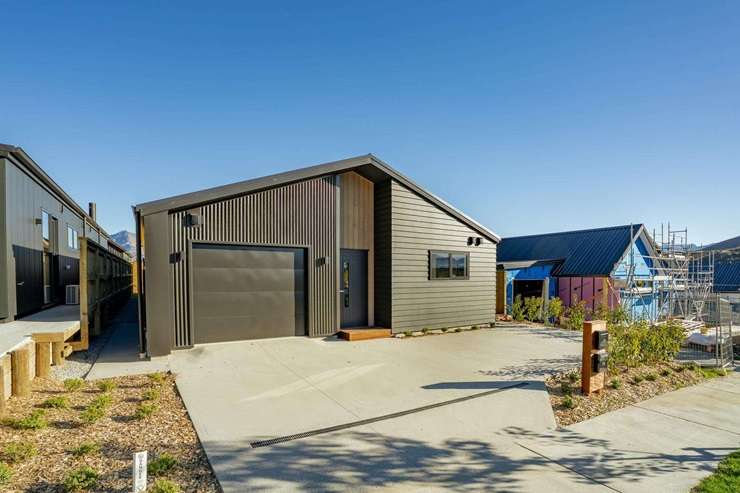
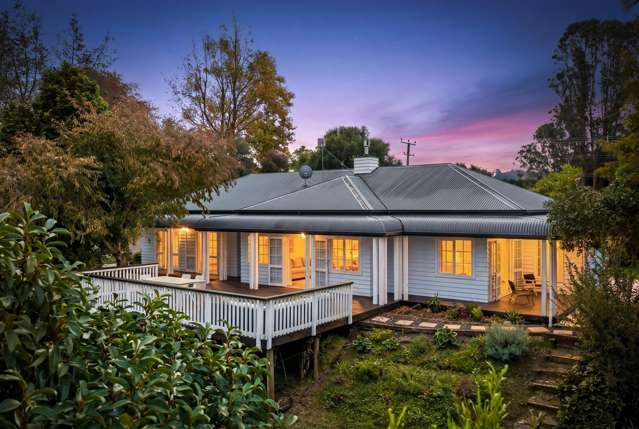
Entry-level in Queenstown-Lakes can be much higher than the rest of the country. 23 Rowe Drive, in Hanley’s Farm, has an asking price of $1.6m. Photo / Supplied
Squirrel Mortgages South Island managing adviser Nathan Miglani said recent research by his company showed 62% of people buying in Queenstown were from overseas, which made it a hard market for locals unless they were getting family help.
Some 41% of Queenstown property owners own more than one home, suggesting they are either investors or have one of their properties as a holiday home, according to OneRoof-Valocity data.
“Basically, for a normal working-class family, Queenstown is almost unaffordable,” Miglani said.
Buying a home-and-income property in some of the newer areas was one of the main ways homeowners were able to get the mortgage over the line, and they didn’t come cheap. A household needed to be earning around $250,000 a year and rent out the attached unit for about $750 a week to be able to service the mortgage on a $1.5m to $2m property.
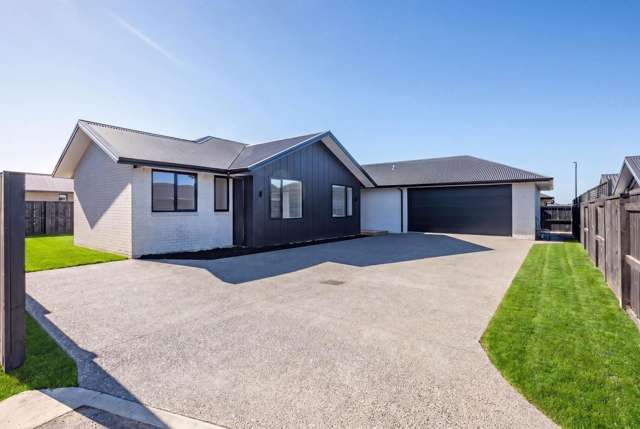
For example, a new three-bedroom with a one-bedroom unit is on the market at 23 Rowe Drive, in Hanley’s Farm, with an asking price of $1.6m.
Fernhill was another more affordable option for families, and they could pick up an older three-bedroom, one-bathroom home for $1.2m to $1.3m, which would still require the household to be earning about $200,000 to service it, Miglani said.
Those who didn’t have $1m plus to spend on a property were instead moving further out, he said.
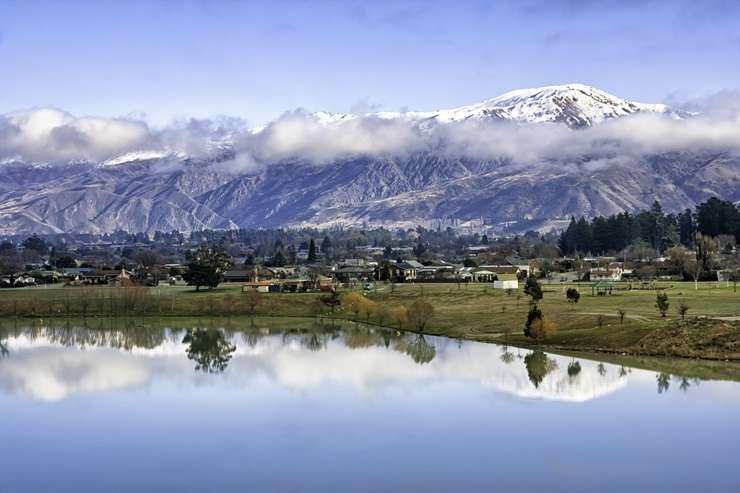
Queenstown workers often look to more affordable towns like Cromwell for homes. Photo / Getty Images
Cromwell was proving popular with buyers and renters, he said. The rents were cheaper, and three-bedroom homes were selling in the high $700,000s. He said it was only 30 minutes from the airport and 40 minutes from Queenstown. Kingston was another option, but even further out.
However, Bayleys Queenstown sales manager Dee McQuillan said properties could still be picked up for well under $1m in Queenstown and pointed to a two-bedroom unit on Towne Place, in Frankton, which sold for $710,000 last month. A newer two-bedroom townhouse on O’Meara Street in the new Five Mile Villas development had also fetched $774,000.
Entry-level buyers were also looking at cross lease, unit title or stratum in freehold properties, while others were teaming up with another couple or buying with a group of friends to buy a house to get onto the Queenstown property ladder, she said.
She also suggested buyers build a good relationship with a local salesperson to hear about off-market opportunities because they had recently sold three entry-level properties for under $1m in these circumstances.
McQuillan said the cost of living was only one of the reasons they had seen some people across all price points decide to move out of Queenstown, adding that employment opportunities and secondary schooling were also contributing factors.
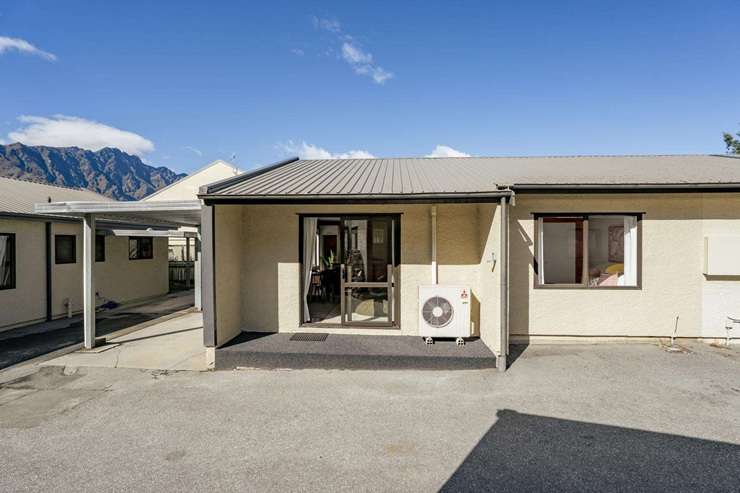
An entry-level unit on Towne Place, in Frankton, sold under the hammer last month for $740,000. Photo / Supplied
New Zealand Sotheby’s International Realty's Callum Clark, who is the agency's business manager for luxury rentals, said the number of holiday lets they had to manage was rising, but so was demand for both short- and longer-term rentals.
The properties the agency managed were either investments or holiday homes. “They [the owners] want to cover their rates and insurance each year and a lot of the costs of having a holiday home.”
Sotheby’s managed properties around the district, with nightly rates varying between $1200 to $35,000 a night depending on the property. Its long-term rental rates hovered between $2500 and $9000 a week.
“They are much higher-end homes, and typically when we are dealing with high-end individuals, they want a higher degree of discretion and more inclusions.”
Clark said more than 70% of the demand for their luxury holiday homes was from overseas visitors, noting there was increasing demand for mid-term rentals for between three and six months.
However, he said the international markets were not exempt from what was happening overseas with the fuel crisis, which could start to see a slowdown in booking patterns. “Not necessarily lead to mass cancellations, but when we are dealing with international markets, people do make that conscious choice – do I want to spend more on my holiday this year with the cost of goods and things going up?”
- Click here to find more properties for sale in Queenstown