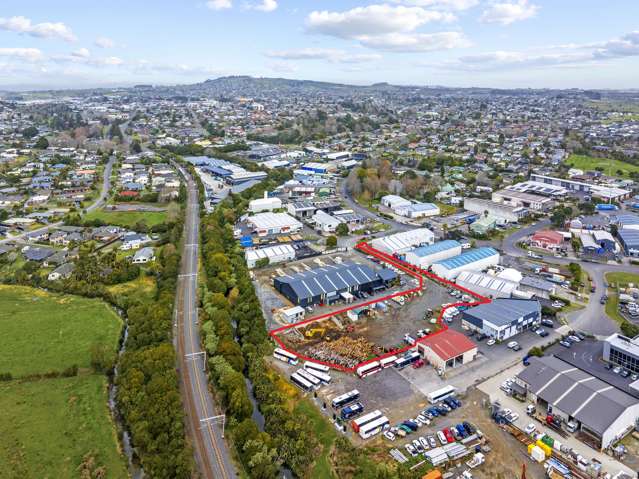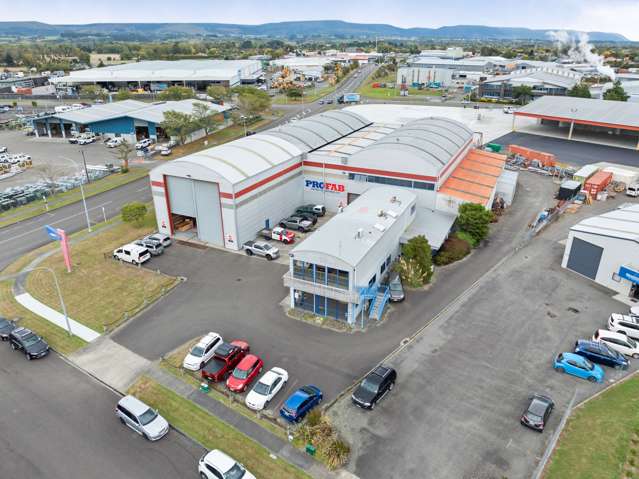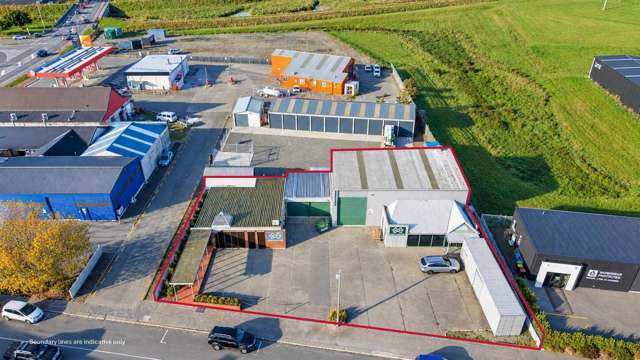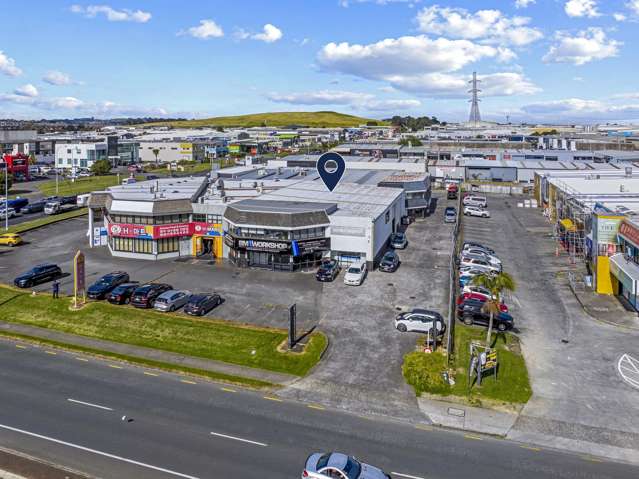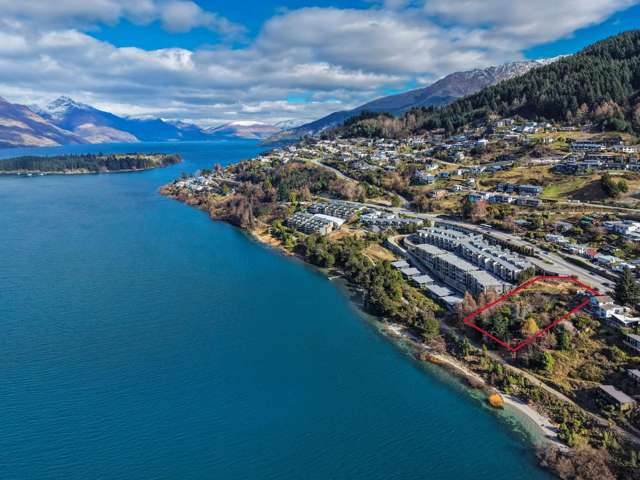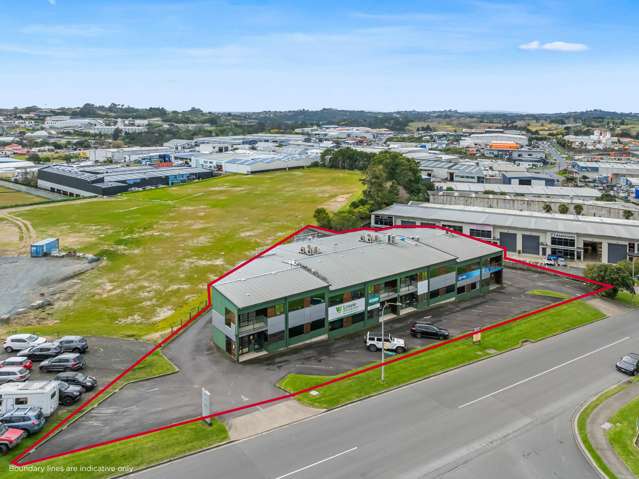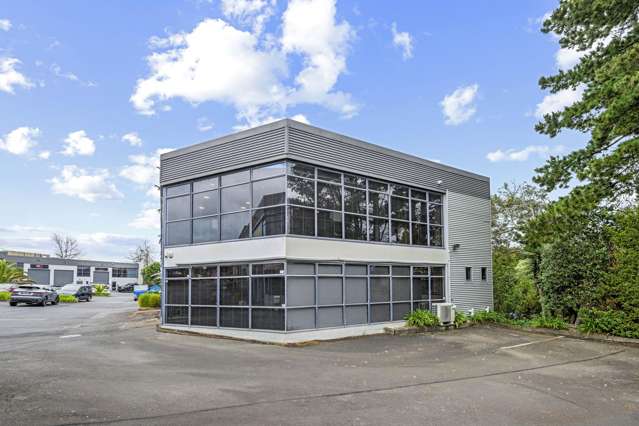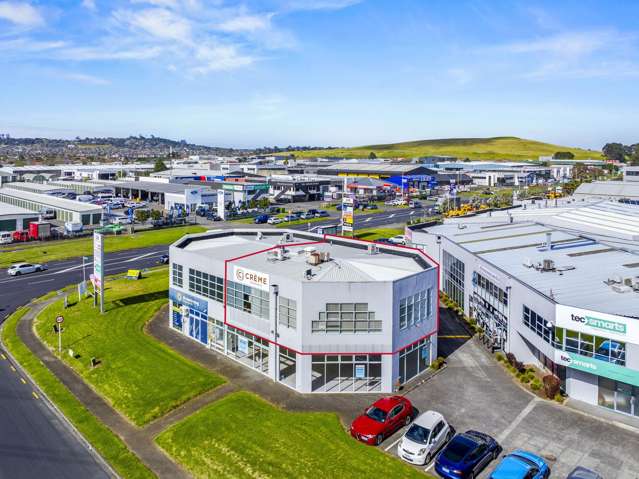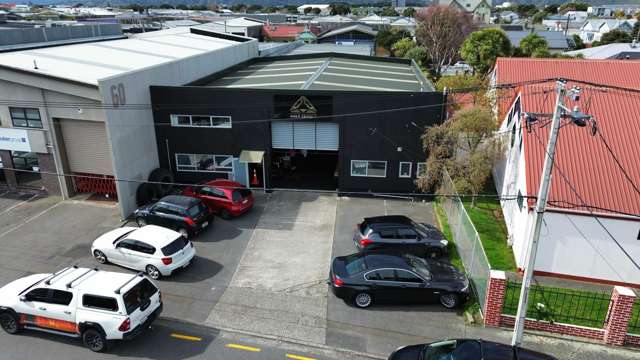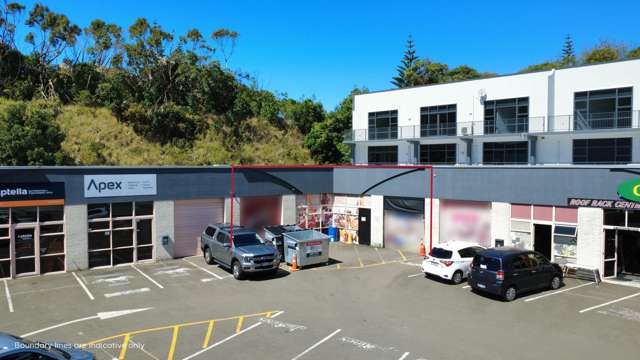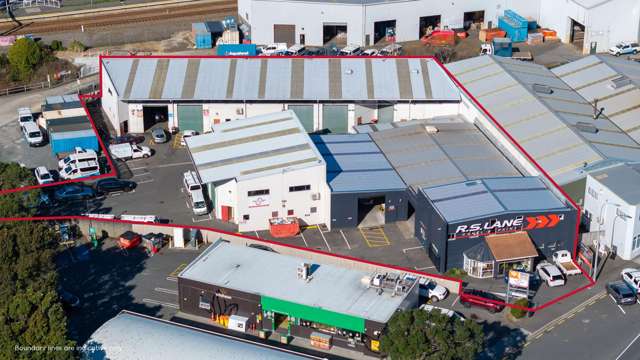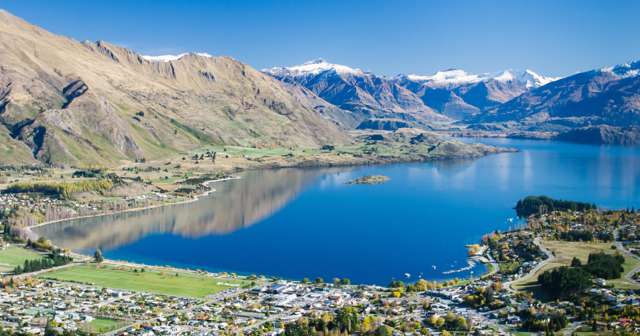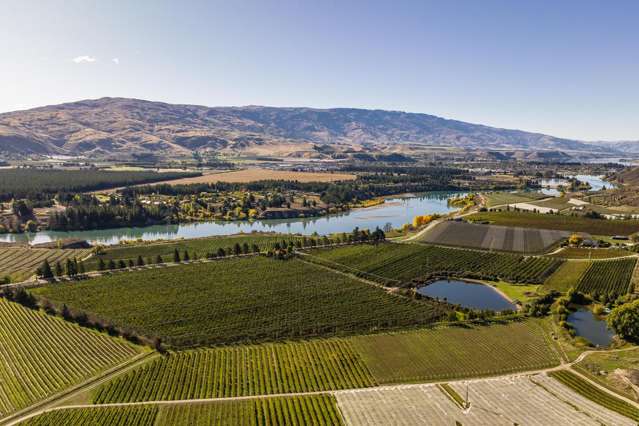

A new CBRE survey of commercial property in Queenstown highlights the extremely tight dynamics in the industrial market, where options for occupiers looking to relocate or establish a presence in the town are severely limited.
The survey, which provides a comprehensive view of vacant space in Queenstown office and industrial property, was conducted by leading real estate services firm CBRE, which has 23 offices covering all sectors of the New Zealand property market.
The results reveal that industrial vacancy is virtually nil. Prime office vacancy is also low, at 2.6%, reflecting the strong demand for new office space in Frankton.
Jorge Chang Urrea, research manager at CBRE, said out of all the company’s surveys of commercial & industrial vacancy in regional centres throughout New Zealand, Queenstown was the only centre to record zero vacancy in any sector.
Start your property search
“Queenstown industrial was the only sector in New Zealand with no vacant stock in the first half of 2025. This result reflects an acute shortage of available space and sustained occupier demand across all submarkets, in a regional centre that displays unique dynamics of restricted land supply and very high demand.”
Tim Rookes, managing director of CBRE’s South Island agency business, said that while there is strong investor demand for industrial property, assets are tightly held which is keeping transaction volumes fairly flat.
“The local industrial sector continues to perform well, with zero vacancy and steady demand driving consistent rental growth over the past four years. While other regions have faced stronger recessionary headwinds, the Queenstown market has been comparatively insulated, with transaction volumes and activity being relatively stable since 2021 and continuing in a positive direction.”
The constrained availability of land is unlikely to be materially alleviated in the medium term, said David Tristram, valuation director at CBRE Queenstown.
“Proposed sites in Gibbston Valley and Coneburn are among the only industrial land releases in the longer term pipeline. Releases of land on the south side of Queenstown Airport has restrictive covenants that will only suit a small range of users. The proposed Gibbston and Coneburn sites are also likely to be less appealing than Frankton to industrial occupiers due to their location.”
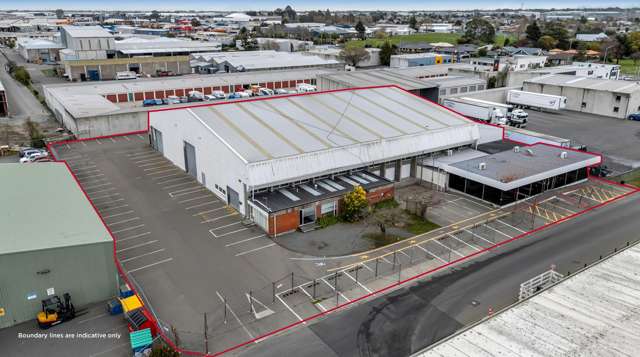
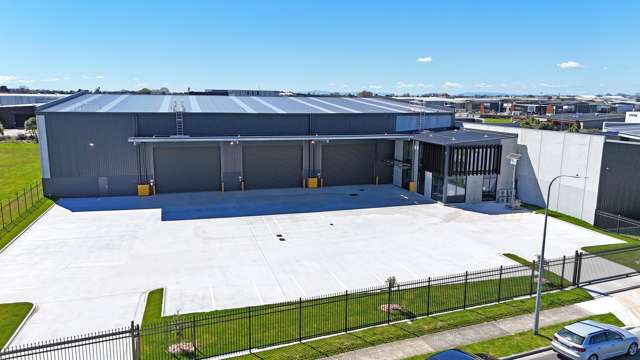
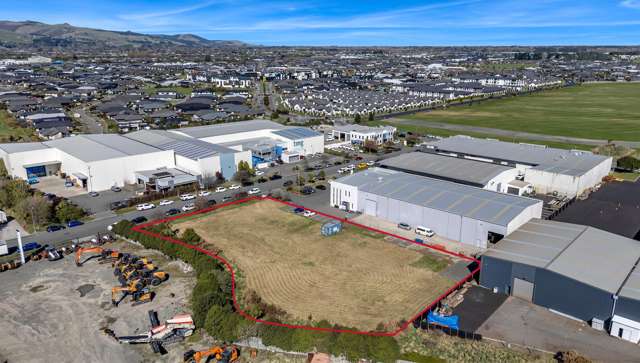
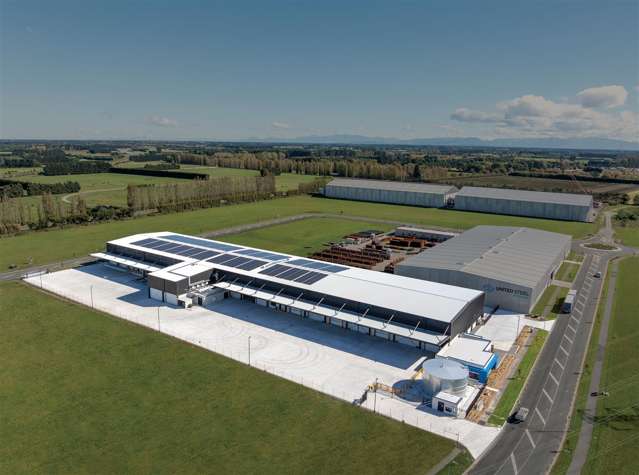
Cromwell has recorded some strong transactional outcomes, including the sale of a brand new industrial facility at 22 Harvest Road. Leased to a steel fabricator on a 10-year term, the property sold to an investor on a five per cent passing yield, a sharper result than would be seen even in the larger main centres in the current market.
“Recent Cromwell sales illustrate the depth of demand for well leased industrial assets. The pricing of 22 Harvest Road reflects land value growth over the past couple of years and underscores investor appetite nationally for quality industrial assets,” Rookes said.
“However for investors, Cromwell assets are perceived as carrying higher risk than Queenstown due to upcoming land supply and we are seeing that priced in to most transactions.”
As the principal developer of industrial subdivisions in Cromwell, Central Otago District Council is instrumental in the growth of the town’s industrial precincts, a move which is rarely seen in other regional centres.
With more flat, development-ready land in the pipeline in Cromwell, value growth there will be more dependent on the strength and persistence of demand, whereas scarcity in Queenstown will continue to place stronger upward pressure on rents and values.
Limited availability of premises in Queenstown has prompted more industrial occupiers to relocate to Cromwell, however many Queenstown businesses are absorbing rent increases because the extra travel and service costs make relocation uneconomic, said Tristram.
In the Queenstown office market, Frankton supply remains limited and the demand base is deepening as the precinct matures as an office location. Local businesses are relocating to Frankton for accessibility cost benefits, although on-site parking remains a key consideration and is not universally available.
CBRE’s survey shows prime office vacancy (both Queenstown CBD and Frankton) at 2.6 per cent and secondary vacancy at 4.4 per cent.
About 70 per cent of the vacant office space is in the CBD, highlighting stronger demand for newly built space in Frankton, Tristram said.
“Parking and traffic issues add to the challenges the generally older CBD office stock faces compared with Frankton, and face rents in the CBD reflect softer demand for ageing buildings.”
For Frankton to be successful long-term as the favoured office precinct, more purpose-designed corporate office buildings will likely be required.
“There is latent demand for more Frankton office stock, however tenants prefer purpose-designed buildings with dedicated reception areas, end-of-trip facilities and efficient floor plates, rather than office suites above retail units. Professional services firms in particular are seeking a more corporate environment to meet their brand and client expectations.”
With construction viability still sensitive to achievable rents, new builds will need to achieve market-leading rent levels to proceed, which points to some upward pressure as mooted projects are offered to the market for pre-commitment, Tristram added.
- Supplied by CBRE