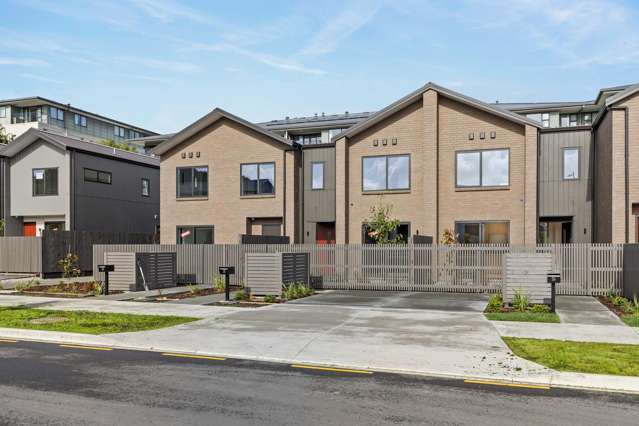
ANALYSIS: Speaking in front of a parliamentary select committee last week, following the Monetary Policy Statement and cash rate review, the Reserve Bank noted that there has been a structural change in the housing market. This was couched in terms of the higher supply now coming forward following numerous rule changes in recent years.
I’ve approached this over the past couple of years by discussing a structural shift in house production measured as consents versus population. Since 1973, this ratio has averaged 0.65% with a peak of 1.3% in 1973 when 40,000 consents were issued while the population was three million. The low was 0.31% in 2011 post-GFC.
Recently, despite all the economic pain over the past 3-4 years, this ratio only fell to a low of 0.63% and is now already back at 0.69%. We are producing more houses, and that is great for the suppression of price growth and housing affordability.
But I have also focused in recent months on the shift in the investor landscape. Costs of running a rental property have increased, bank credit availability has declined, tax rules have altered, tenants are in short supply, and increasingly, people’s expectations of capital gains are shrinking.
Start your property search
Discover more:
- Tony Alexander: What the cash rate pause means for mortgages and house prices
- How political will real estate get in 2026? Rate rises, capital gains tax
- 'Must be sold': Overseas owners auction off vacant mansion 'as is where is'
In my weekly publication last week (available at www.tonyalexander.nz) I produced a list of reasons why the rush of average mum-and-dad investors into housing, which started in the mid-1990s, has now eased. Many investors with professionalism, skills, and large portfolios will definitely remain. But the feelings of FOMO, which drove so many less sophisticated people to buy whatever they could get their hands on, have gone.
For your interest, here is that list:
1. Debt-to-income and loan-to-value ratio rules now restrict investor access to funding.
2. Property losses are now ring-fenced away from normal household income for tax purposes.
3. Depreciation allowances have been reduced.
4. There are much higher costs of running a rental property, including council rates, insurance, maintenance, and meeting Healthy Homes requirements.
5. Rule changes have favoured tenants.
6. There is an absence of the structural lift in net migration flows seen in the 1990s.
7. Rule changes restrict foreign buying to Australians and Singaporeans for all but the most expensive houses.
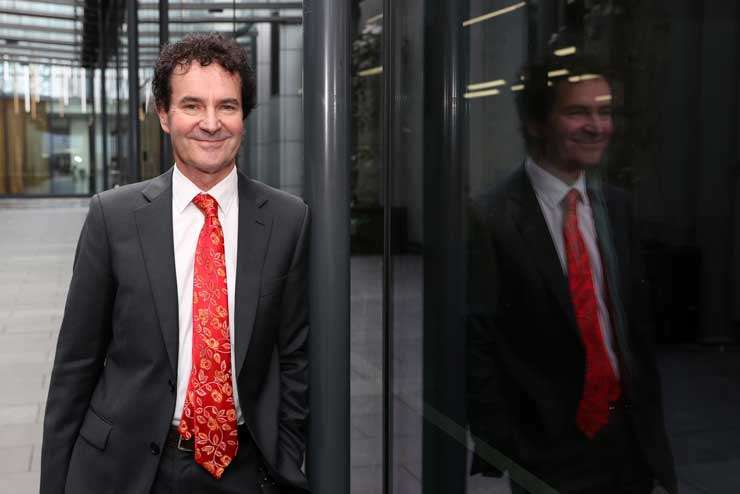
Independent economist Tony Alexander: "The feelings of FOMO, which drove so many less sophisticated people to buy whatever they could get their hands on, have gone." Photo / Fiona Goodall
8. There is an absence of downwardly trending interest rates, which prevailed from 1992 to 2021.
9. There are fewer new official exhortations to invest and prepare for retirement than proliferated in the 1990s.
10. There is increased availability of residential zoned land.
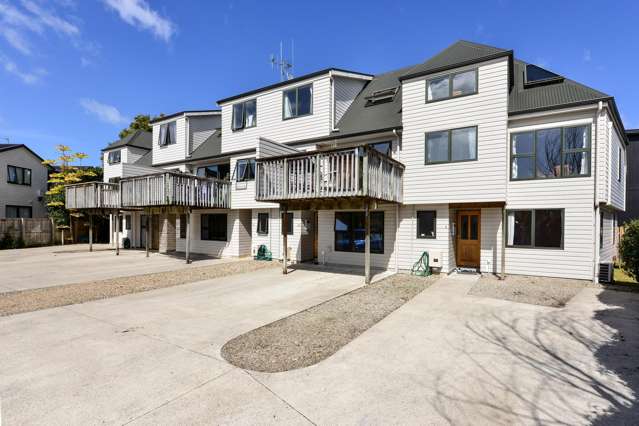
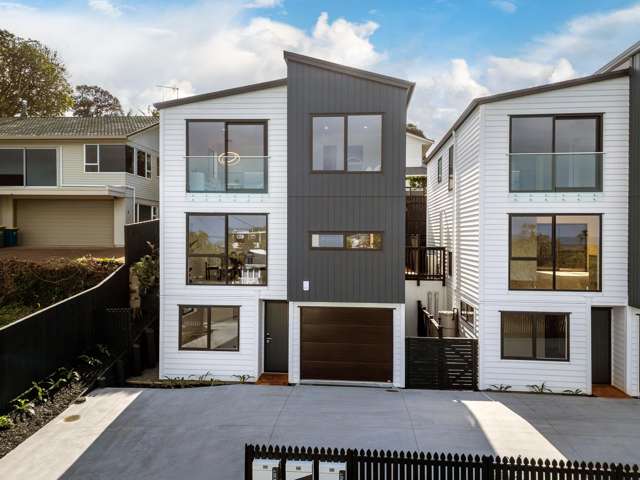
11. There is increased construction of dwellings, especially townhouses, courtesy of new density rules.
12. Awareness of alternative investments to prepare for retirement has lifted, including KiwiSaver and managed funds generally.
13. A multi-year period is now underway of older investors selling investment properties to fund their retirement.
14. Extra selling is being undertaken by older investors as retirement is proving to be much more expensive than anticipated (rates, food, insurance, electricity etc).
15. There are commonly reduced expectations for long-term capital gains.
16. Expectations/fears are growing of tax on capital gains eventually coming in, and interest expense deductibility once again being removed.
New Zealand’s housing market is well into the process of shifting back to primarily focusing on the needs of owner-occupiers. However, because so many people currently rent and because house prices will remain high relative to incomes, the demand for rental accommodation is going to stay at higher levels than seen previously for a great number of years.
Providing this required accommodation will increasingly fall to professional property investors rather than average Kiwis.
- Tony Alexander is an independent economics commentator. Additional commentary from him can be found at www.tonyalexander.nz