ANALYSIS: The common view regarding house prices this year is that they will go up, but only by a small amount – maybe 5% or so. As discussed here before, there are at least two factors working towards containing price growth this time around.
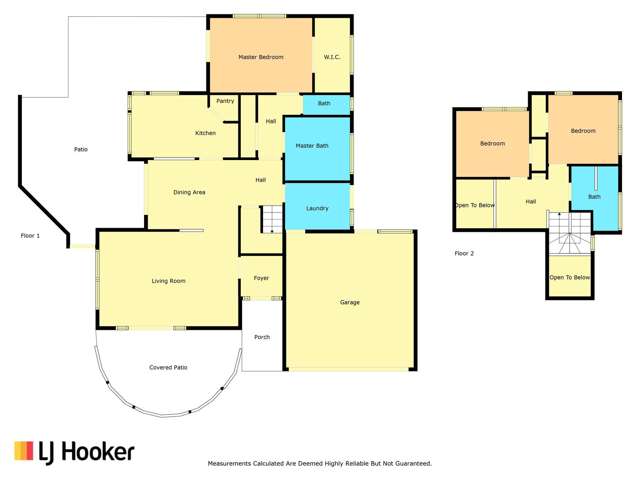
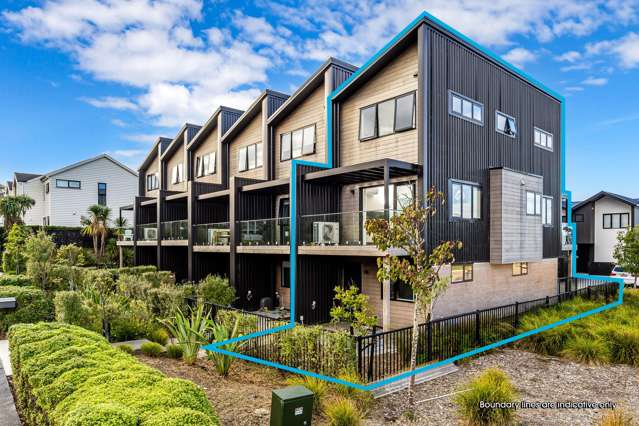
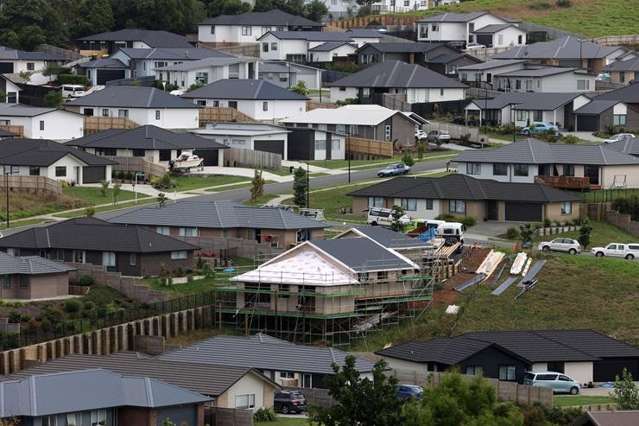
First, we have increased supply. Major efforts have been made to free up land for development, allow greater intensification of land use, and speed up consenting processes. These many changes, which largely started with Auckland’s Unitary Plan in 2016, help explain why, despite the depressed economic conditions over 2023-25, the number of consents issued for the construction of new dwellings has remained quite high.
That is, they have only retreated to the long-term ratio of consents to population size rather than falling well below, as one would normally expect during a recession. Now, growth is occurring, with consents in the three months to October up by 19% from a year ago. The annual total sits at 35,600 from a low of 33,500 in May last year.
Second, more and more investors are selling. Rents are falling, costs have escalated, Labour has promised to introduce capital gains tax if it wins this year’s general election, and fears are strong that the party will kill off interest deductibility. Many older investors are finding their costs in retirement to be much greater than anticipated (rates, insurance, electricity), and they are looking to free up cash.
Start your property search
With these two negatives in play, why is there a belief that prices will rise? Because two big positives are also at work.
Discover more:
- Every town that's getting a new RV - what homeowners can expect
- Loan-killer suburbs: Where you can pay off the mortgage in six years
- Summer bach rush: Old-school escape for $220,000, but there's a catch
First, mortgage interest rates have fallen sharply from their peak and that makes financing a purchase more affordable for borrowers. Second, prospects for employment growth have shifted firmly to the upside.
ANZ’s monthly Business Outlook survey released late last year showed that a net 28% of businesses plan to hire more people in the coming year. This is well up from just 6% in May and the strongest result since 2014. The NZIER’s long-running quarterly survey released this week shows that a net 22% of businesses plan to hire more people in the coming three months. This is up from a net 2% planning layoffs early in 2025 and the best result since 2021’s pandemic boom.
These indicators are important because they tell us not only that more people are going to gain employment but that worries about job loss will subside. Feelings of job security are a very strong driver of our willingness to buy goods and services and to purchase a property.

Independent economist Tony Alexander: "Lower interest rates and strong jobs growth are good news for retailers as well as builders and house-owners looking to sell." Photo / Fiona Goodall
Lower interest rates and strong jobs growth are good news for retailers as well as builders and house-owners looking to sell. Balancing these two factors against declining investor demand and greater new house supply is, of course, a guessing game. Unfortunately, our guesses are made more difficult by at least two other strong factors.
One is the changing global geopolitical environment. The rules of international engagement are changing, and the impact of the US President’s actions on our economy is impossible to calculate. Evidence to date suggests it will be minimal. But uncertainty created by the shifting sands could impact the willingness of businesses to hire and invest, and of consumers to purchase things like pumpkins and houses.
The bigger uncertain factor for New Zealand this year is the general election. Feedback in my monthly survey of businesses, which I conduct with MintHC, shows genuine concerns.
The upshot is likely to be a lot of decisions put on hold from the middle of the year until after the outcome is known, and that could mean some flattening also of the housing market’s recovery over the second half of this year.
- Tony Alexander is an independent economics commentator. Additional commentary from him can be found at www.tonyalexander.nz