Heightened activity levels in late 2025 suggest the commercial property market will experience a stronger year ahead.
Gareth Fraser, CEO of Colliers New Zealand, says there’s no denying the post-pandemic years have provided challenges with false starts to the broader economic recovery prevalent.
But there were bright spots last year as exports and the rural economy performed well, while interest rates continued to fall, and the pieces are in place for a positive 2026, according to Fraser.
“This wave of activity that took place from October to December of last year suggests we are moving out of the bottom of the cycle into a new growth cycle.
Start your property search
"As details of these transactions emerge across the next few weeks, buyer confidence will improve further across all sectors,” Fraser says.
“That broader business confidence is reflected by the leasing activity we have seen as firms are committing to space or taking up new opportunities.
"This is also underpinned by the decade-high numbers from the latest NZIER Quarterly Survey of Business Opinion.”
Meanwhile, the ANZ Business Outlook survey showed confidence hit a 30-year high in December with a net 74 per cent of firms surveyed expecting better business conditions. Increased economic activity in 2026 will drive demand for commercial and industrial floorspace, while also lowering unemployment.
The Reserve Bank of New Zealand has signalled the easing cycle of the Official Cash Rate has likely ended, providing clarity that may help bridge the gap between the expectations of property vendors and purchasers.
Fraser says falling term deposit rates will encourage investors to look at other asset classes and commercial property looms as an appealing option given its proven fundamentals.
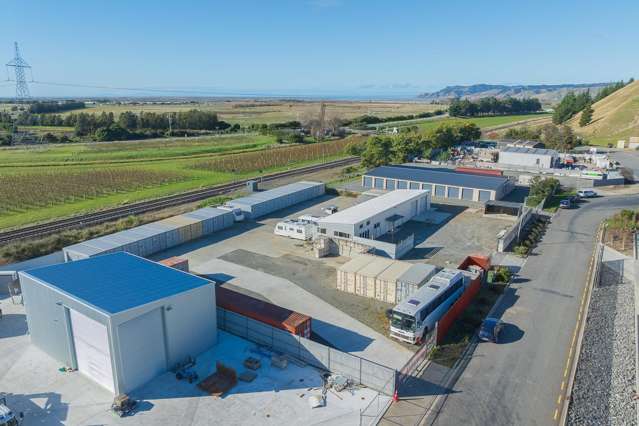
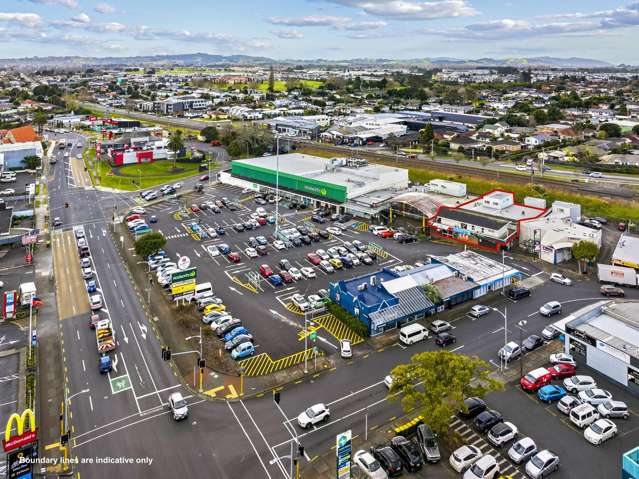
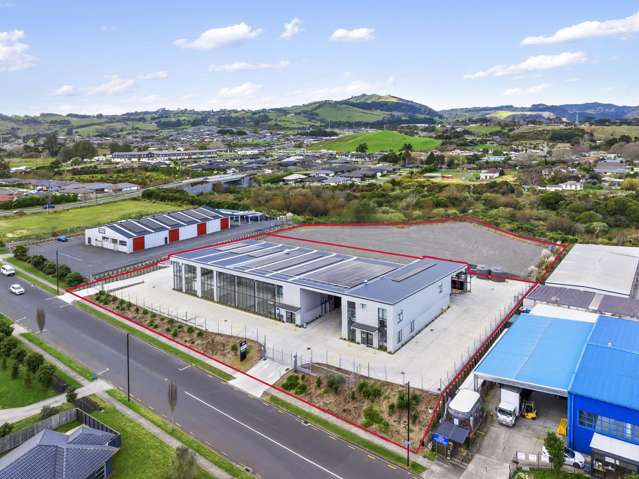
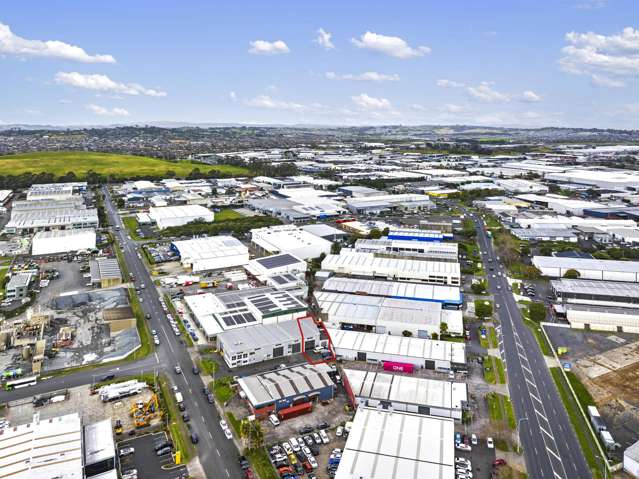
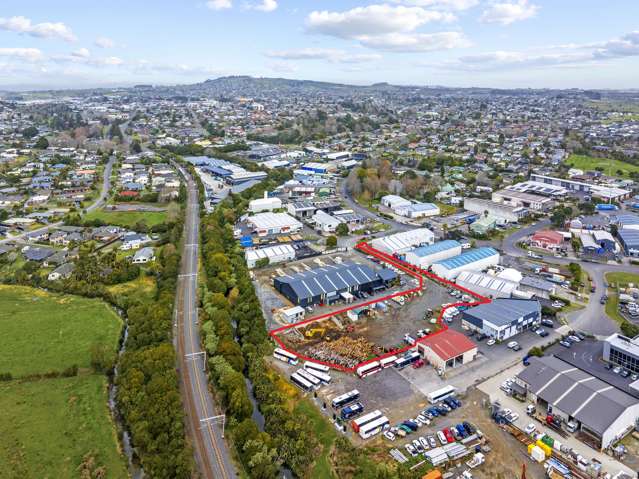
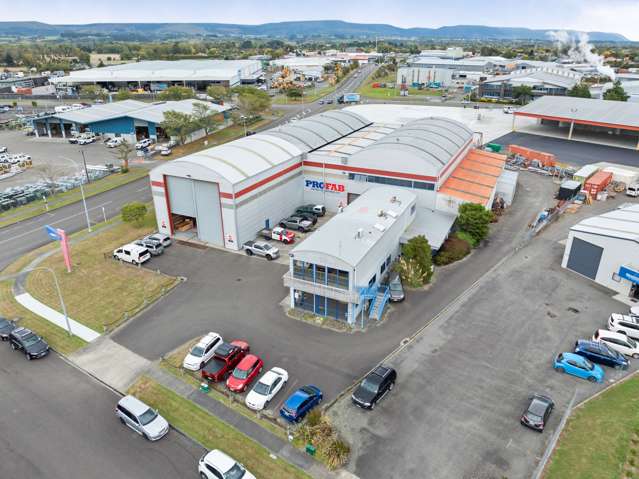
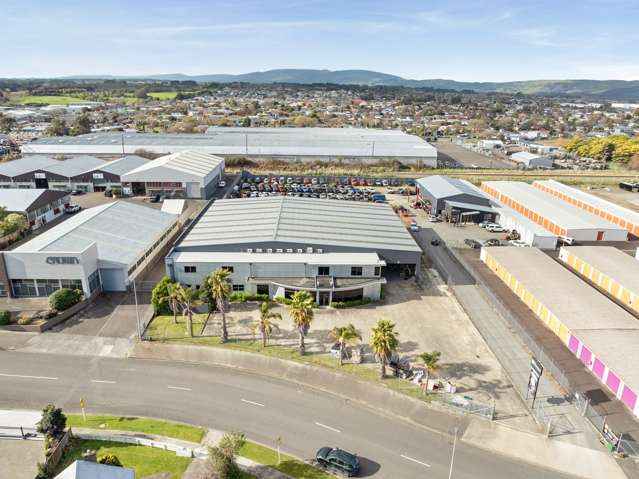
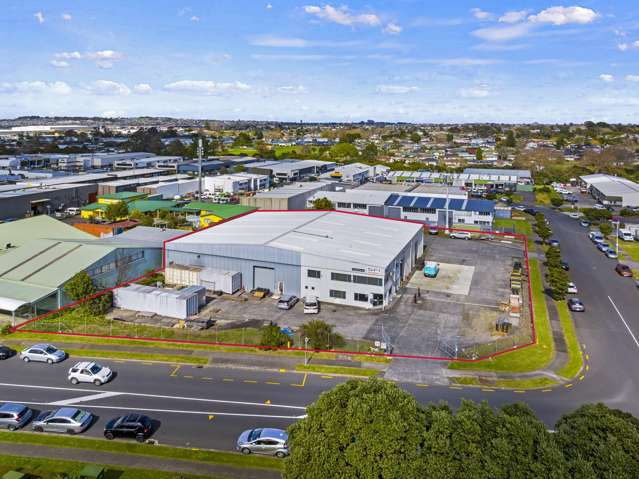
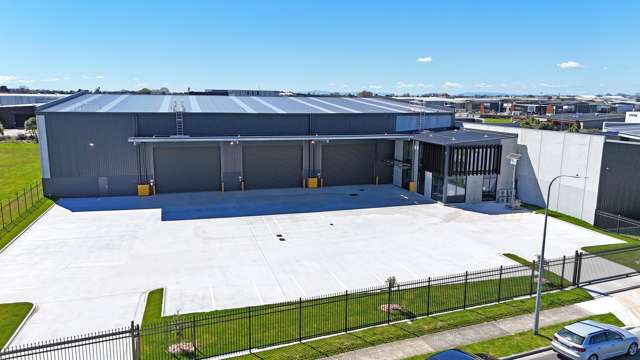
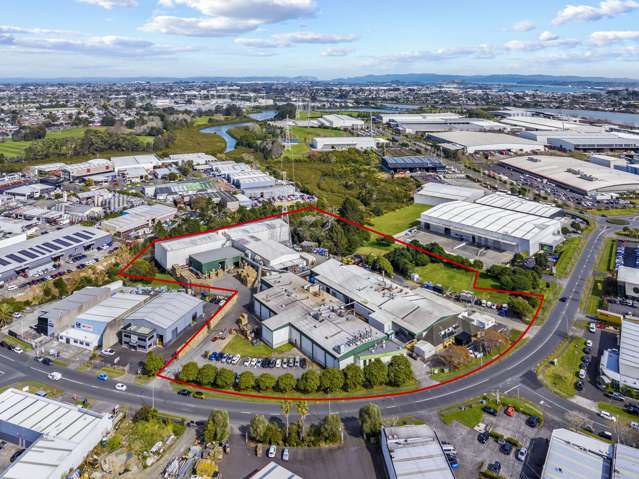
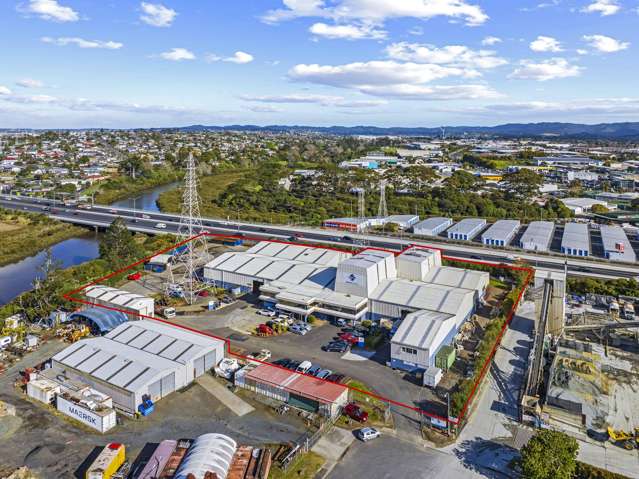
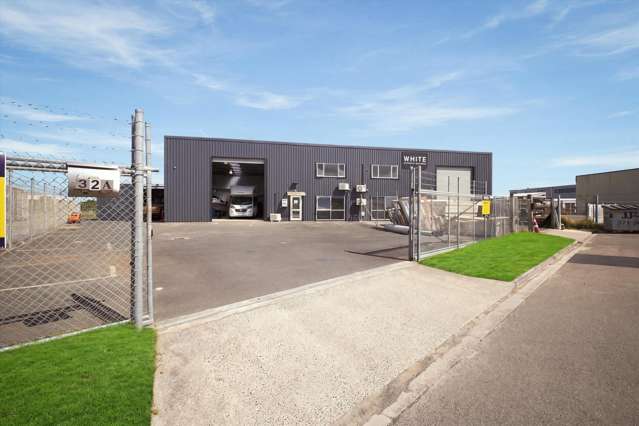
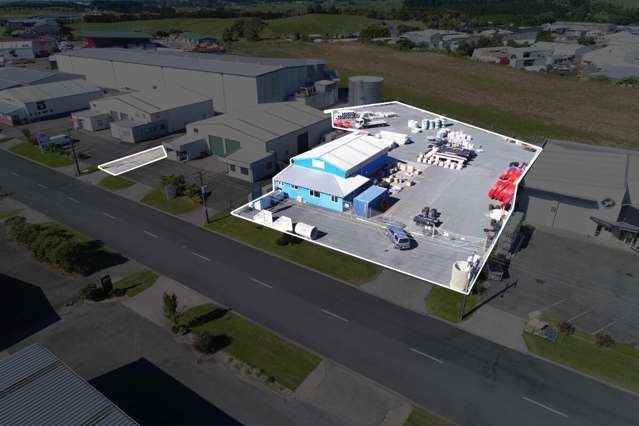
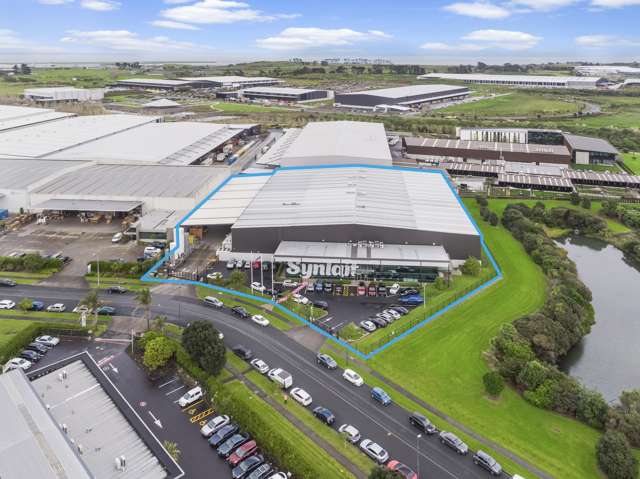
“The industrial sector has long drawn the attention of investors, and we also saw large format retail assets transact frequently last year.”
Looking across the commercial property sector, Fraser says it’s not just local buyers that emerged in late 2025.
“Offshore demand has seen a resurgence driven by strong relative returns compared to their home markets and the current favourable local conditions,” Fraser says.
“As we see ongoing geopolitical turmoil around the world, New Zealand represents a stable environment for investors.”
Locally on the political front, Fraser says with a looming general election, many businesses and astute property investors may look to frontload activity into the first half of the year to avoid the cyclical lull that often emerges during an election period.
“There is also the Building (Earthquake-prone Buildings) Amendment Bill that passed its first reading in Parliament in December and will have a significant impact for building owners when it becomes law.
“Auckland is the likely winner from this new legislation as funds that were allocated for potential remedial works could now be redirected or utilised for further investment in properties.”
In the residential sector, Fraser says the lower interest rates on offer and stabilising construction costs will give developers a boost as they examine residential project opportunities around New Zealand.
“We have seen regional residential markets leading the cities, which is an anomaly to previous cycles where Auckland has been at the forefront. A residential rebound is on the cards in Auckland this year as households reduce debt, move to more favourable interest rates, and gain confidence for new investments or explore upgrades to existing dwellings.
“This year promises to be one that is action packed and I am really excited about what lies ahead for the wider property market as we move into a new cycle of growth.”
- Supplied by Colliers