The five things you need to know about the housing market this week.
1. Property values remain subdued
The latest Cotality house price figures showed a 0.2% drop in the nationwide median house value in June. Further falls in Auckland and Wellington were balanced somewhat by modest increases in Christchurch and Hamilton. It was also interesting to see small value drops in previously resilient areas such as Queenstown and Invercargill.
The big picture is that values remain pretty flat. The abundance of listings on the market has put pricing power in buyers’ hands, and while a lasting US-Iran peace deal would obviously suggest upside for sales volumes and property values in the second half of the year, any upturn is unlikely to be particularly strong – especially with the election looming.
Start your property search
2. No change in the OCR … for now?
Borrowers may get a bit of a reprieve at 2pm on Wednesday, when the Reserve Bank makes its decision on the Official Cash Rate. On one hand, the risks of “second round” inflation eventually coming through probably haven’t disappeared altogether, which points to an OCR rise, especially since this was the Reserve Bank’s signalled intention even before the Iran conflict started (given that the 2.25% rate remains below a neutral figure of perhaps 3% or a bit above).
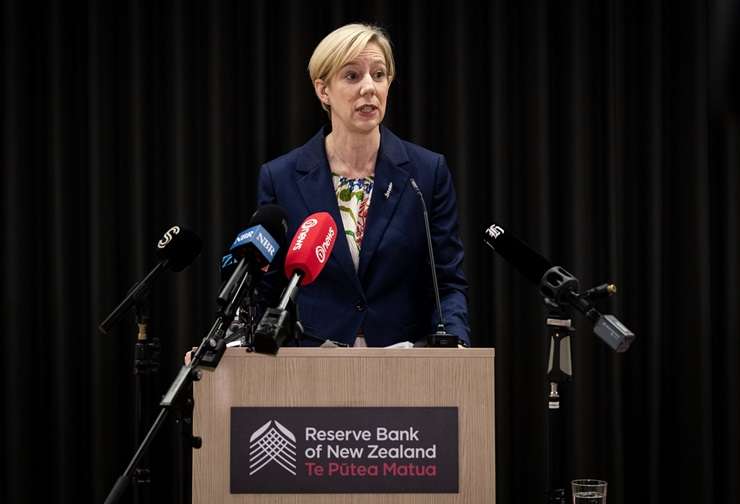
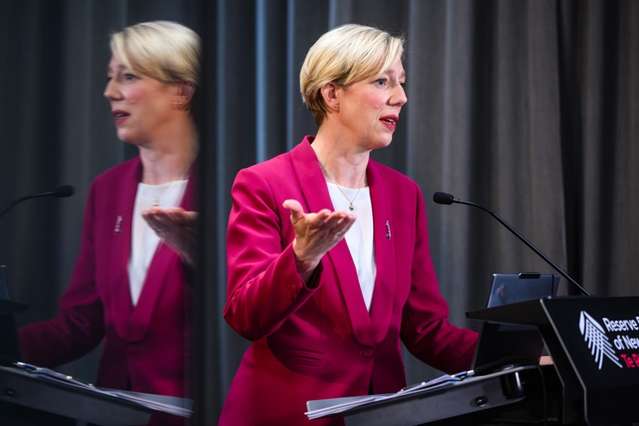
Reserve Bank Governor Anna Breman. Her deciding vote in May kept the OCR at 2.25%. Photo / Dean Purcell
But on the other hand, the peace deal seems to be holding (just), and, of course, fuel prices have already fallen, taking the sting out of inflation. Also, keep in mind the last meeting was a 3-3 split on the committee, with Governor Anna Breman casting the final vote to hold. Mechanically, therefore, to get an OCR rise this time we’d need one of the holders from May’s decision to jump ship; and it’s not clear the data has been convincing enough in either direction to see that happen.
To my mind, a hold this week looks more likely than a rise. But it’s going to be very finely balanced (bank economists are certainly split on this). And even if the OCR doesn’t go up this week, a rise or two at some stage thereafter in 2026 is still on the cards.
3. Filled jobs continue to edge higher
At least there was other good news last week from Stats NZ, with filled jobs growing by 0.3% in May and 0.6% over the past year. These are OK numbers and should be viewed positively, given the uncertain economic backdrop at the moment. But they’re probably only strong enough to roughly absorb the number of new people coming into the labour force, so the overall unemployment rate isn’t really dropping. In terms of housing market implications, then, the jobs figures also tend to suggest further sluggishness ahead.

Cotality chief economist Kelvin Davidson: “Even if the OCR doesn’t go up this week, a rise or two in 2026 is still on the cards.” Photo / Peter Meecham
4. Dwelling consents remain resilient
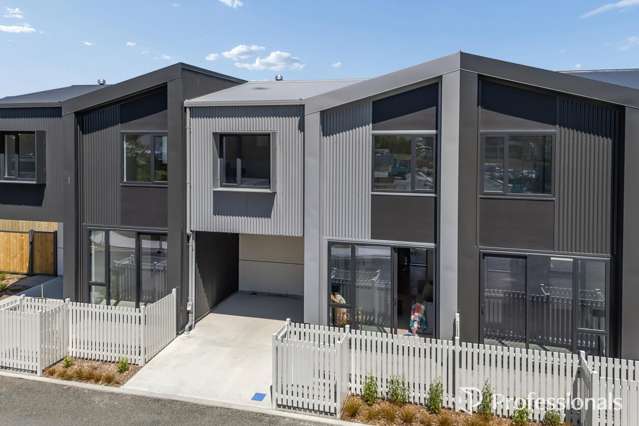
Last week’s Stats NZ figures showed that the annual running total for new dwellings consented rose to 39,737 in May, the highest figure since October 2023, and well up from the trough of less than 33,500 in October 2024. Smaller dwellings such as townhouses remain an important share of activity, with the recent rise in overall consents still being driven by Auckland and Canterbury. On the whole, it’s great news – despite the Iran conflict and inflation pressures in the sector (such as delivery surcharges and rising materials costs), growth in construction activity will be helping the economy as well as housing affordability.
5. The shift to fix longer has probably rolled on
Finally for this week, I’m looking ahead to the Reserve Bank’s figures on the loan terms chosen in May. Lately, there’s been a strong shift to longer-term fixed rates (two years is popular) after a period where a lot of borrowers floated or fixed for short periods. The move longer makes sense in a world where mortgage rates may drift upwards in the next year or two, and I’d expect the lending data to show a similar pattern in May.
- Kelvin Davidson is chief economist at property insights firm Cotality