


Gareth Gretton’s household is one of about 1.3 million in New Zealand with an appliance that not only saves money but is performing a valuable function for the country: a heat pump. About two-thirds of New Zealand’s 2 million homes now have a heat pump, or two… or three, making this country’s uptake among the highest in the world. Gretton has three single units, as his roof space isn’t suitable for a ducted system.
It would be very odd if Gretton didn’t have a heat pump as he is a lead adviser (Research, Evaluation and Insights) for EECA, the Energy Efficiency and Conservation Authority. But he maintains he would be a fervent heat pump advocate even if he didn’t work for EECA.
Heat pumps are featured in EECA’s Switch On Efficiency programme, which highlights five technologies with the biggest impact on household savings. Research suggests the most common form of heat pump – a wall-mounted single unit with an outdoor unit – can pay itself off in 5-10 years.
The exact timeframe depends on factors such as where you are in the country, how well insulated your home is and how often you have the heating on. While plug-in electric heaters have lower upfront costs, they’re far more expensive to run. And compared to a new gas heater, a heat pump saves you money from day one, with similar purchase prices but much lower running costs.
Start your property search
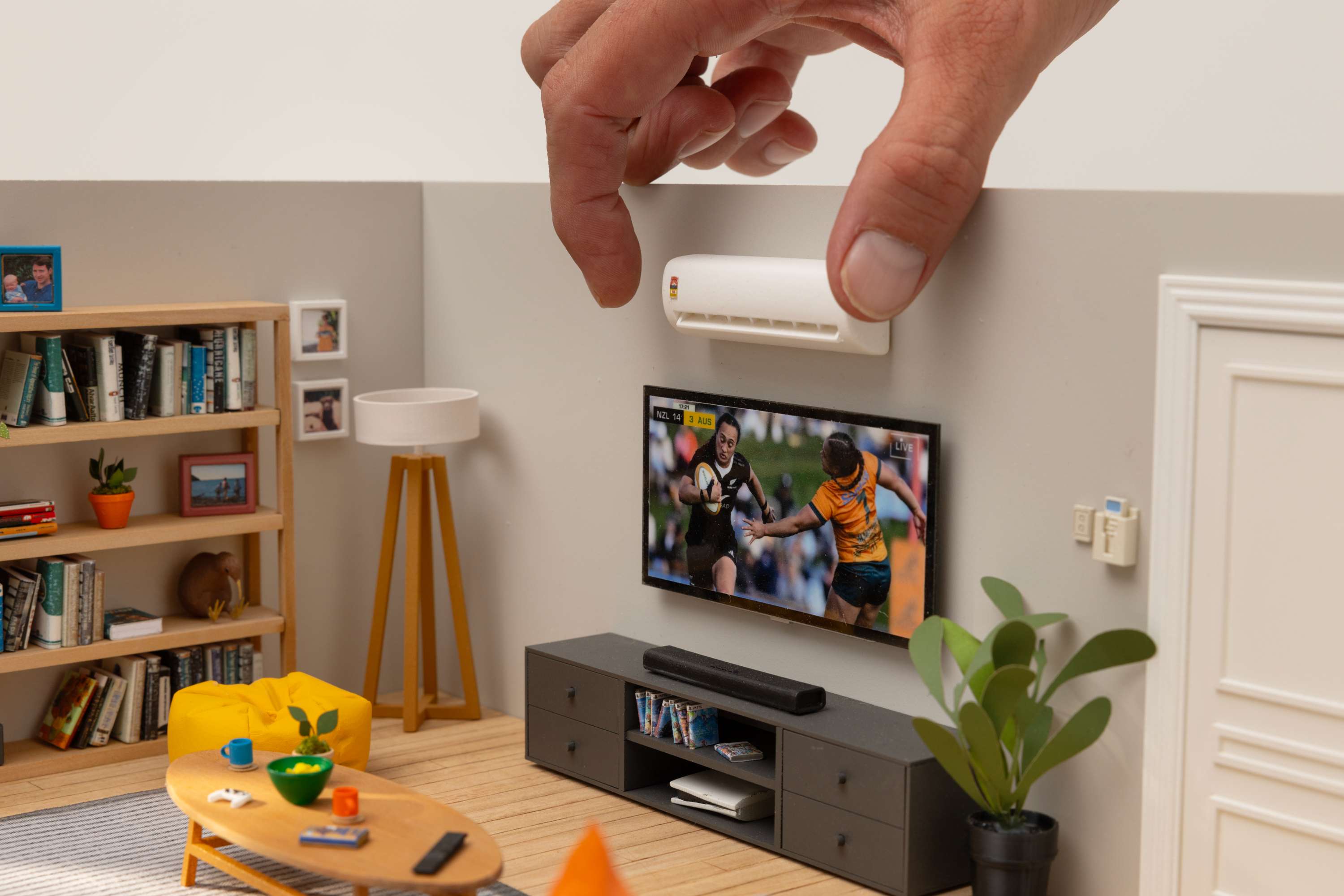
What about the 700,000 Kiwi homes that don’t have a heat pump? The main barrier is cost – but Gretton says New Zealanders are often unaware of just how quickly a heat pump can pay itself off through its money-saving efficiency. The home energy savings calculator on the Gen Less website shows how much a household can save with heat pumps.
“It’s not just about making savings. Heat pumps are so efficient at a time when New Zealand really needs its electrical appliances to use as little energy as possible. The bonus is they help with peak demand on winter evenings,” says Gretton.
“However, I don’t want to understate the financial benefits heat pumps can bring – particularly now the weather is turning really cold. Our electricity suppliers are moving towards more cost-reflective pricing, meaning we’ll start to pay relatively higher rates on winter evenings and lower rates in summer – and this difference is likely to grow in the future.
“So, it makes plenty of sense to have heat pump efficiency at work. They basically are 3-4 times more efficient than other heating systems.
“The growth in heat pumps has been pretty rapid. In the 2018 census, just under 50% of New Zealand houses had at least one. In the 2023 census, the question posed to householders about heating options showed it had climbed to 66%.”
EECA’s Warmer Kiwi Homes programme has helped spread the warmth to lower-income houses, with over 50,000 subsidised heat pumps installed over the last six years.
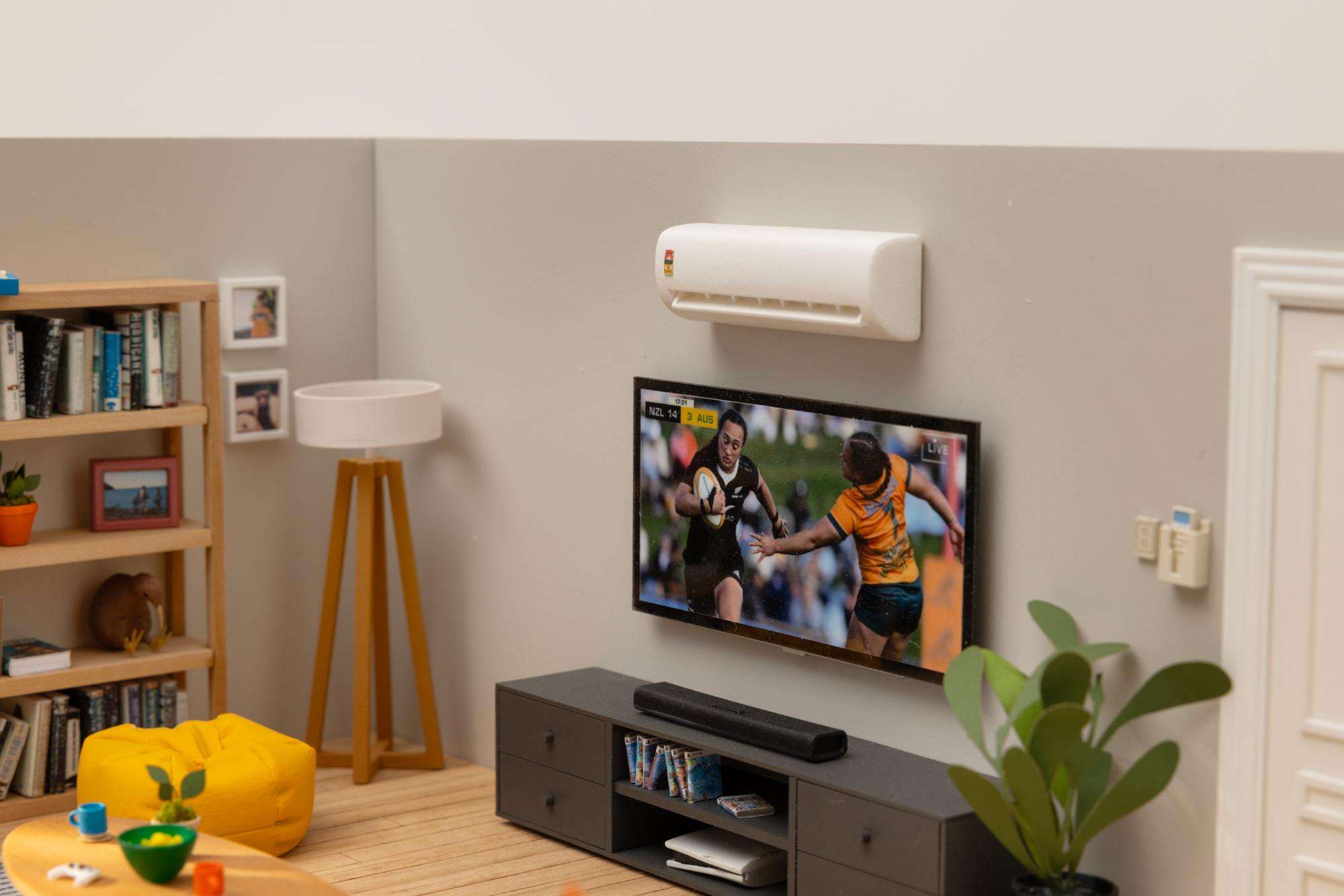
“We are right up there as a nation when it comes to installing heat pumps in our homes,” says Gretton.
“We might even be higher than Norway, which is often highlighted as having the highest rates of adoption in the world. And Norway’s climate isn’t a problem – they use the same kind of heat pumps we do, with the only difference being they have to put the outside unit on a stand because of snowfall.”
So what are the different types of heat pump? There are three kinds:
1) The most common is the wall-mounted single unit, typically installed in a living room. Cost: about $3000-$5000, depending on the size of the heat pump required.
2) Multi-split systems with one outdoor unit connecting to multiple indoor units which heat different rooms. Cost: Variable according to the number and size of indoor units, but starting at roughly $5000.
3) Ducted systems – a type of central heating carrying warm air to multiple rooms. These can heat the whole house if needed, or the householder can use a Wi-Fi-powered multi-zone controller to heat specific rooms only. Cost: about $8000-$16,000 and up. Gretton says this form is favoured by some householders who do not want an indoor unit for aesthetic reasons and who are happier with heat arriving via concealed ducts.
“There is a whole spectrum of options and it’s best to research your needs – EECA’s Gen Less platform can help with that,” says Gretton.
People doing renovations have an ideal opportunity to install or add heat pumps to their remodelled houses – and re-roofing New Zealand’s huge supply of corrugated iron roofs is another ideal time, especially for those homes with no space for a ducted system.
Gretton also has some valuable hacks for those already using heat pumps:
- Keep the heat pump at 18-21C. Above 18C guards against mould and damp; up to 21C means a comfortable temperature while gaining optimum efficiency from the pump.
- Clean the filter at least once a month to maintain the efficiency.
- Don’t believe the fallacy that it is cheaper to run your heat pump 24 hours a day. You’ll save money if you turn it off when you’re not home, and instead use the timer to warm the house up before you return.
- Installing at least one heat pump – usually in the living area – will make a big difference. For other rooms, Gretton also recommends choosing the right kind of electric heater. Placing it in the coldest part of the room (like by a door or a window) helps to give a more even temperature.
- Heat pumps also work even better with a heat recovery ventilation system which pulls in fresh air from outside and extracts the stale air and transfers heat as it does so. These can be integrated with ducted systems.
To see how much your household could save, try the free calculator at genless.govt.nz.