OneRoof’s Ask the Expert series is aimed at helping consumers cut through the noise when buying goods and products for their home. It’s hard to make a decision when there’s so much out there, so who better to trust than the people who have the expertise and use these items for a living?
We're finally out of a long, hard winter, but even though spring has brought the sun, there have been a few cold spells that have sent Kiwis reaching for their blankets and heaters. With power bills a major concern for all, what are the best portable options for households?
Dr Gareth Gretton, lead advisor at the Energy Efficiency and Conservation Authority (EECA), has a simple answer: choose your heater according to how you want to use it and the size of the space you’re heating.
Dr Gretton says a common misconception is that some standard plug-in heaters produce cheaper heat than others. “All standard plug-in electric heaters, whether they’re oil column, panel, fan, convection or radiant heaters, convert all of the electricity they use into heat,” he says.
Start your property search
How they differ is how quickly they warm and distribute that heat.
Match the heater to the room
Fan heaters provide fast warmth by moving heated air, while radiant heaters warm people and objects directly. Oil column heaters use convection, taking longer to warm a room but operating quietly and providing even heat.
“It’s important to choose the right type of heater for how you want to use it and the size of the space you’re heating,” Dr Gretton says.
Oil column heaters might suit smaller enclosed rooms needing quiet warmth, including bedrooms, studies and home offices.
Michael Opie, seasonal business manager at CBD Group, which manages brands including Goldair, says oil-filled fins store and release heat after the element cycles off, so they may stay warmer for longer, but they don’t produce more heat per unit of electricity.
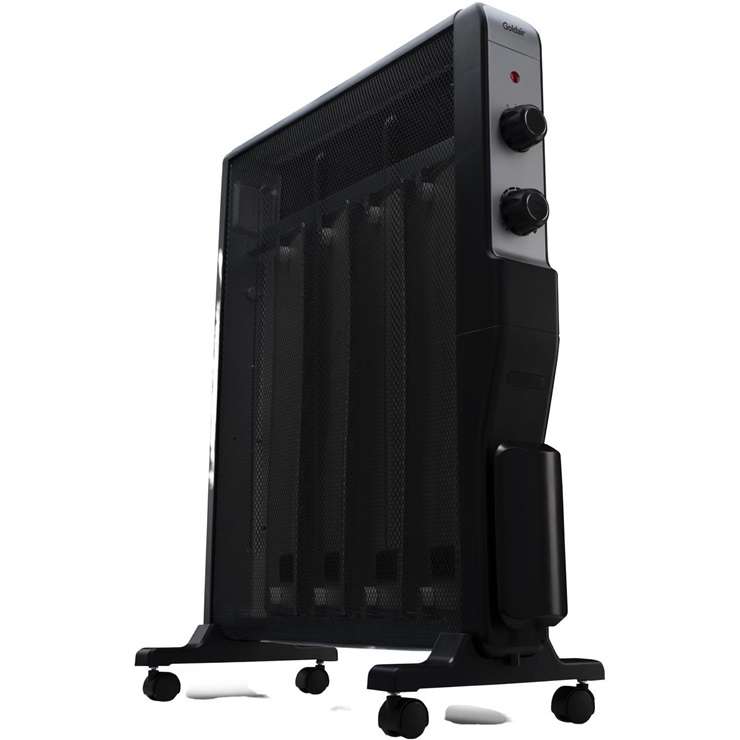
The Goldair Micathermic Heater 2kW. Photo / Supplied
For instant warmth, Opie says people might prefer a micathermic heater that combines radiant and convection heat. He says ceramic fan heaters suit short bursts or to heat small rooms, while heated throws might be a cheaper option for one person.
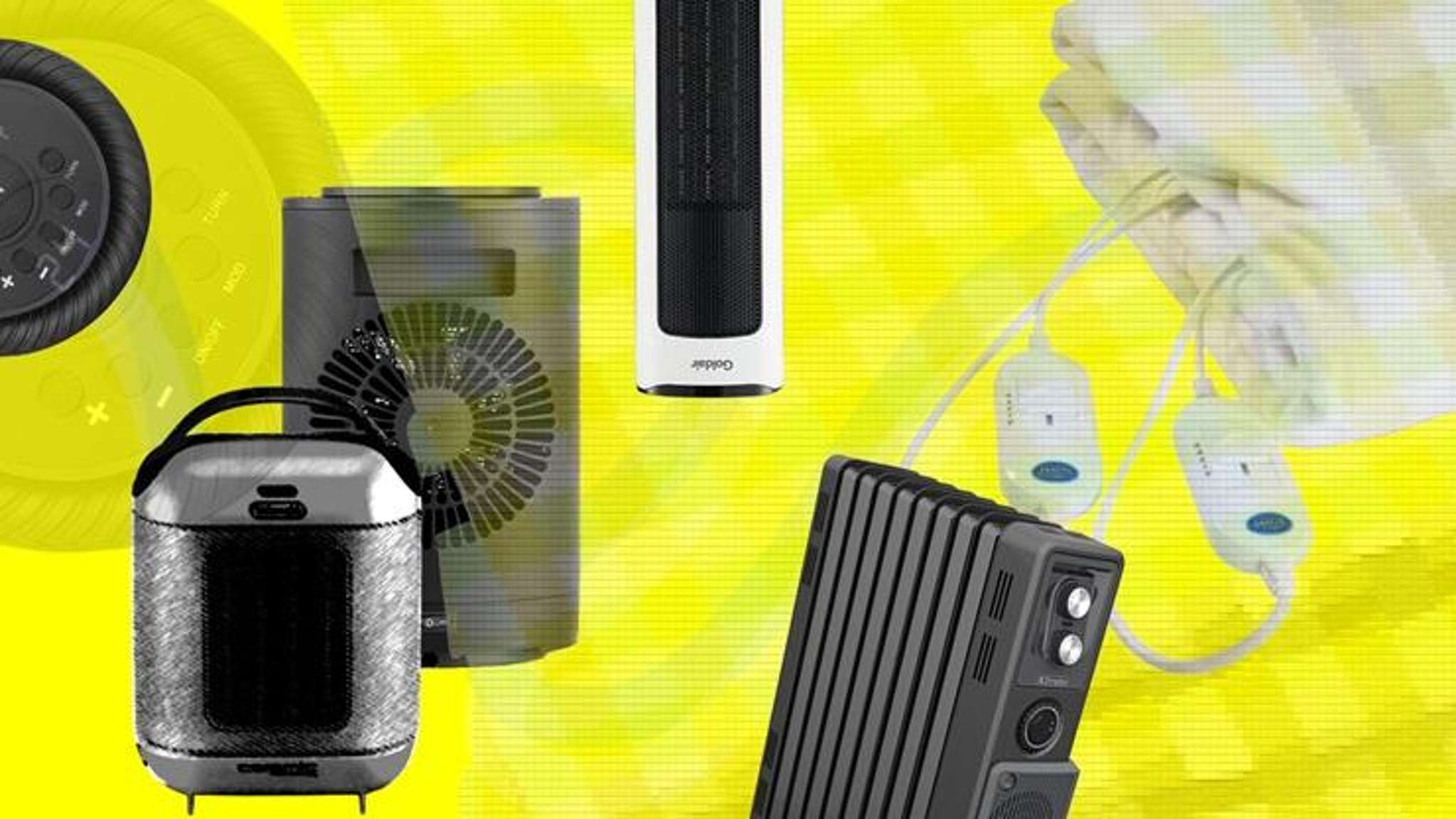
De'Longhi does a compact capsule fan heater, or there is also a ceramic tower heater by Goldair or this Kogan version. The Jason heated throw from Spotlight has also received good reviews.
For a large lounge or open-plan area, Dr Gretton says a heat pump is still usually the cheapest long term.
“Heat pumps typically produce three to five units of heat for every unit of electricity they use, making them much cheaper to run over time than portable electric heaters,” he says.
Oil-filled or oil-free?
Opie says oil-filled heaters contain permanently sealed oil that warms the fins and creates convection currents. They keep releasing warmth after switch-off but are heavier, although usually fitted with castors.
Oil-free models, like this Dimplex one, draw cool air through the base and release it warm from the top. They are lighter and quicker, but cool sooner after switch-off.
Neither escapes Dr Gretton’s rule, however: the same electrical energy produces the same total heat. The choice is heat-up time, portability and quick versus lingering warmth.
Don’t be fooled by low wattage
Lower-wattage heaters use less electricity but also produce less heat.
“Low wattage heaters are just that: smaller, less powerful heaters only capable of heating smaller or really well-insulated spaces,” Dr Gretton says.
Too small, and a heater may have to run continuously to warm a larger space. Higher-wattage heaters use more electricity but may warm faster.
Column heaters commonly offer one to three settings: a 2000-watt model might draw 1000 watts on low and 2000 on high. Opie says smaller models like this seven-fin one may suit smaller rooms while nine- to eleven-fin models, like this one, suit larger spaces.
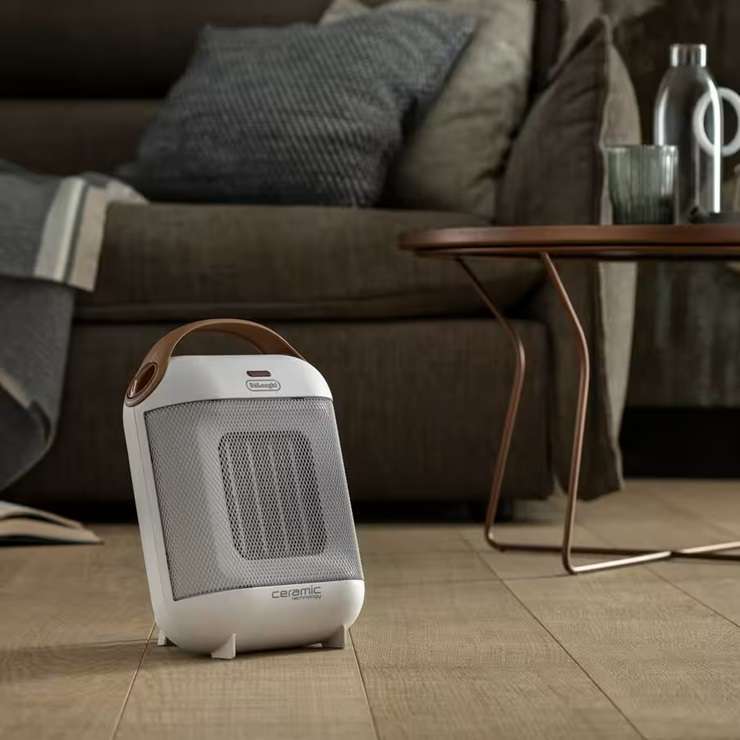
The De Longhi Ceramic Capsule Fan Heater 2000W. Photo / Supplied
Ultimately, how a home is insulated - i.e. curtains, double glazing, draught excluders - matters just as much.
Dr Gretton recommends heating only occupied rooms and closing doors to unused areas, which EECA says can save up to $320 a year. Draught stoppers and door snakes could save you $100.
“A well-insulated room with good curtains and sealed gaps will usually feel warmer and cost less to heat than a poorly insulated room, regardless of which portable heater you buy,” he says.
Are extra features worth it?
Additional features may reduce excess heating but still won’t improve element efficiency. A thermostat cycles the element on and off once the selected temperature is reached, while timers can limit heating periods.
Premium models may include Wi-Fi and scheduling like this version, which enables remote operation through a smartphone or voice assistants like Amazon Alexa and Google Home. Or this Kogan version.
Low for longer or high for shorter?
“It’s a bit of a myth that using a lower heat setting for longer always saves money,” Dr Gretton says.
Total use depends on the heat needed to reach temperature and replace escaping warmth. A higher setting warms faster, but once comfortable, the thermostat matters.
Dr Gretton recommends setting it at around 18C to 21C in most living areas.
“Heating an empty room for longer than necessary is where costs really start to add up,” he says.
What are the main safety risks?
Look for tip-over protection, automatic overheat shut-off and castors on heavier oil-filled models.
Opie says a major avoidable risk is putting clothes directly over a column heater. Dry clothes well away from heaters and keep them clear of children, pets and anything that could block them or knock them over.
So, what should you buy?
Before buying, decide whether you’re heating one person or a room, and how often.
For personal warmth, consider a ceramic fan heater, radiant heater or heated throw. For a bedroom, study or home office needing quiet, steady heat, an oil column heater is practical. Oil-free or micathermic models suit those wanting lighter, faster-heating appliances.
For a frequently used large living area, a heat pump will still provide better comfort and lower lifetime running costs.
For portable heaters, look for the right size, an adjustable thermostat and timer.
Remember that improving insulation and reducing heat loss often delivers greater savings than upgrading the heater itself, says Dr Gretton.
Eligible homeowners may qualify for Warmer Kiwi Homes support covering up to 90% of an approved heat pump installation. This can include owner-occupiers of pre-2008 homes with a Community Services Card or SuperGold Combo card, or those in low-income areas. Check your eligibility at www.warmerkiwihomes.govt.nz.