- The Reserve Bank held the cash rate at 2.25% but warned of potential increases if inflation doesn’t drop.
- The Middle East conflict has slowed the housing market, with ANZ predicting a 2% price drop.
- Experts say the ceasefire may stabilise oil prices, but housing confidence remains low.
The Reserve Bank held the cash rate at 2.25% on Wednesday but warned Kiwis that “decisive and timely increases in the OCR would be required” if core inflation doesn’t drop to around 2%.
Start your property search
Wednesday’s decision came just hours after US President Donald Trump announced a two-week ceasefire between America and Iran, with hopes that oil ships will soon start to move through the Strait of Hormuz.
The war in the Middle East has put the brakes on the New Zealand housing market and prompted forecasts of falling house prices this year, with ANZ predicting a drop of 2%.
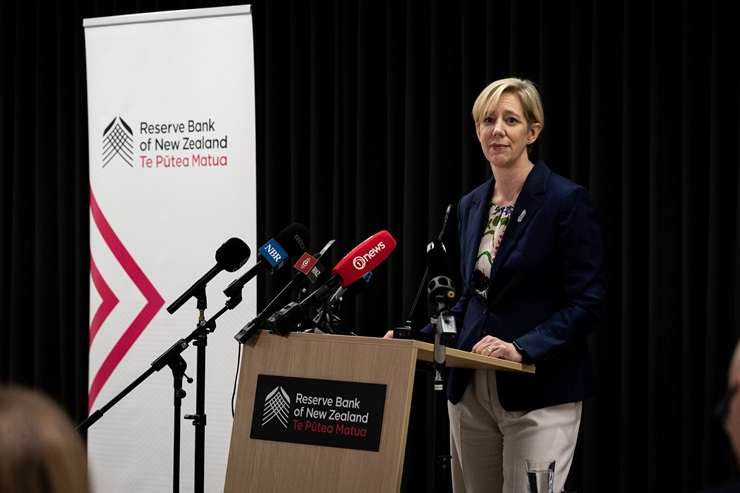
Reserve Bank Governor Dr Anna Breman kept the OCR at 2.25% but warned rates would rise if inflation isn’t tamed. Photo / Dean Purcell
Chris Farhi, head of insights at Bayleys, says the OCR being held for now indicates business as usual - for now.
The Iran conflict had initially pushed up oil prices, which might impact the likes of food prices in the short-term. “The thing the Reserve Bank is most concerned about, though, is if you get further knock-ons where people start to ask for higher wages to offset the higher prices. That risks a bit of a spiral.
“I think if we started to see that come through, that’s where you would start to see them ratchet up interest rates to try and get that under control.”
If the ceasefire fell through, or inflation turned sour, there would be a number of knock-ons which would potentially start to impact the housing market, he says.
Discover more:
- Tony Alexander: What the OCR hold means for mortgage rates
- Is a $90,000 green loan the cheapest way out of NZ's fuel bill crisis?
- Queenstown’s tiniest luxury home snapped up after agents bombarded
“The market itself has been pretty neutral recently, but it wouldn’t take a huge amount to knock a bit of confidence out of it.”
That could result in small decreases in house prices, but Farhi says a crash is unlikely.
“We’ve already gone through quite a significant correction over the past couple of years, so it’s hard to see another round of correction coming through unless something huge really kicked off.”
More significant for the market was the ceasefire: “I think the ceasefire is positive news because it puts a bit of a line in the sand, at the moment anyway, around how things might start to progress from here, and we saw oil prices go down quite significantly right away.”

Bayleys head of insights Chris Farhi: "We’ve already gone through quite a significant correction over the past couple of years." Photo / Fiona Goodall
Tom Rawson, Ray White Manukau co-owner, says the impact of the Iran war is already being felt in the housing market, and warns that house prices could fall.
He saw warnings of possible OCR hikes in the medium term as hollow, saying anything could happen between now and then. “We rolled into 2026 thinking the first half of the year would be pretty normal, and we’ve got the election in the second half, so it’ll be a bit slower. Then all of a sudden Iran and Trump happened, so anything can happen in the medium term.”
A lot of businesses were going under, and ramping up the OCR would decrease people’s spending, which would mean more businesses going under. “It’s a double-edged sword - they put it [the OCR] up to control the one thing, and it affects something else.
“There are a lot of things beyond the control of just OCR and inflation. A fuel shortage, for example, is going to have a massive effect. It’s already affecting us right now, but that will drag on for ages.”
And boats getting through the Strait of Hormuz did not mean they would reach New Zealand: “We’re so far away from that part of the world. I’m sure there are people with bargaining power higher than ours who are closer,” Rawson says.
“All the chips have been restacked, and we’re down the bottom corner.”
People negotiating for houses, or in the auction room, are talking about affordability issues and are concerned about overextending themselves financially, he says.
“That tone is definitely the undercurrent of negotiations when we’re at the coalface.”
Even if the situation in the Middle East is resolved soon, it will take time for people’s confidence to return. When people have less money to spend, they have less money to spend on everything, Rawson argues.
“It eats away at their contingency, so it will have an effect on pricing.”
The market already had more listings than normal and fewer people looking, and supply and demand is the oldest equation in the book, he says. “If we’ve got too much supply and not enough demand, then prices need to come down.”
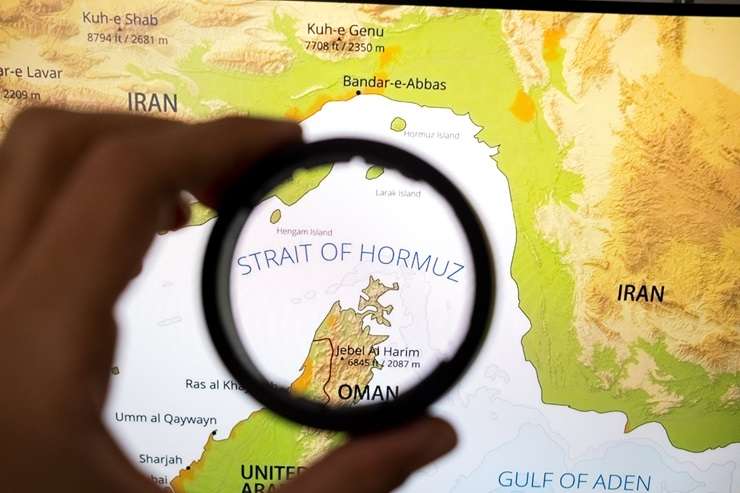
The Strait of Hormuz is supposed to reopen as part of the ceasefire announced by the US and Iran. Photo / Getty Images
Andrew Chambers, chief executive of Tella Mortgages, says advisers were recommending a tiered approach across different rate terms, with a bucket in the one-year rate range, a bucket in the two-year range and possibly a bucket in the three-year range.
“What tends to happen when advisors can’t pick a market, they start to do that kind of tiered structure. That way you’ve got a foot in different camps in terms of those rate bands.”
Chambers says that while the housing market has been buoyant with first-home buyers, a two-week ceasefire is not long enough to restore confidence for the majority of people, who would want to see prices coming down on the petrol pumps.
The housing market was likely to remain subdued, and New Zealand also had an election looming, which would also put people on hold.
“I don’t think it’s going to be quite the year that everyone had hoped it to be, but on the flipside, from what I see across our businesses, things have actually been okay, so it’s hard to know.”
Gareth Kiernan, chief forecaster at Infometrics, says the Reserve Bank’s statement this week was slightly more hawkish than the speech the Governor, Dr Anna Breman, gave a few weeks ago.
“For me, the emphasis was more on the upside inflationary risks and whether there was going to be a need for them to move going forward.”
While there would not be much impact overall on mortgage rates and what households may be facing at the moment, there was a clear indication of an OCR rise, “it’s just a question of when that might be and how restrained some of those flow-on effects in terms of inflation might be across the economy”.
- Click here to find properties for sale