ANALYSIS: Last week, I wrote about the results from my monthly survey of consumers. The readings were the best in three-and-a-half years, excluding a spike late last year driven by an over-enthusiastic response to falling interest rates. This week, I have the results of a survey run with MintHC covering business sentiment.
These show that most businesses expect 2026 will be a lot better than 2025. The issue, however, is whether or not businesses are willing to back this positive view, having wrongly predicted that this year would be booming.
Well, we can see they are in several measures. First, a record net 39% have said they plan to invest more in technology and digitisation. This reading was only 23% at the start of this year.
Second, a net 10% plan spending more on plant and equipment. This was just 2% back in January. And third, a net 3% have reported that they plan to cut their inventories. This is still negative and tells us that businesses are still trying to improve their cashflows. However, it is the least negative result on record and better than -15% back in April, which was broadly the low point for most indicators across my five monthly surveys.
Start your property search
How is all of this relevant to the housing market? One of the factors holding people back from making a house purchase or sale at the moment is uncertainty about incomes. This will mean worries about continued employment and promotion for most, and profitability of one’s small business for many.
Discover more:
- NZ's tiniest English pub for sale - comes with world-famous gardens
- Tony Alexander: Kiwis drop the shop - here's where they're making cuts
- YouTube stars selling their dream home as they quit NZ for Australia
My real estate agent survey shows that whereas at the start of 2024 only 14% of agents said people were worried about their jobs, come June that had soared to 56%. The latest reading is barely changed from that at 53%. From this survey, I will be able to tell exactly when people are gaining confidence about their employment, and I’d expect an improving trend to be in place before the end of the year.
Why so? Because when businesses get busier, they hire more people, and I can already see an improvement in the net proportion of businesses planning to boost recruitment spending.
And also because of the two key forces already moving their way through the economy. One is the lagged effect of lower interest rates. As mentioned here before, it can take 18-24 months for a tightening of monetary policy (higher interest rates) to have a deep impact on the economy. It can take the same or slightly shorter period for falling interest rates to have their impact. Rates have been falling for 13 months now, so we are closer to seeing a greater willingness to spend, as hinted at by my consumer spending survey.
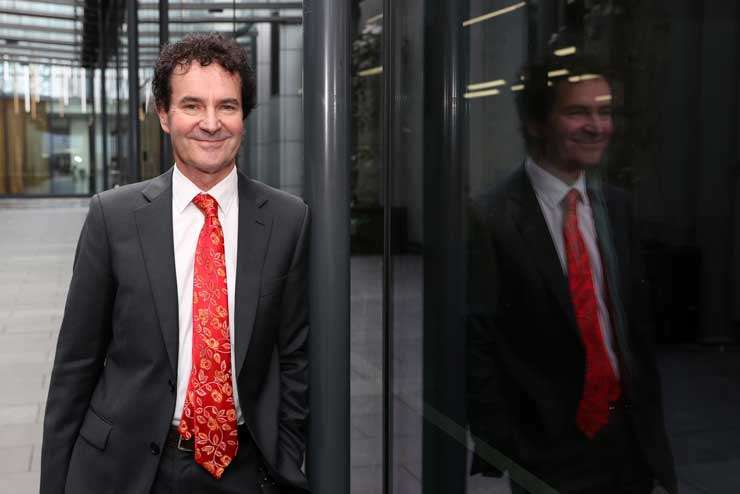
Independent economist Tony Alexander: "The forces set to move house prices higher through 2026 are already underway and starting to have an impact." Photo / Fiona Goodall
The other force is the lagged impact of higher farm incomes. The positive effect of higher farm incomes first of all hits small rural centres then creeps through to the cities over a 12-18 month period. Usually, Southland sees the strength first, Wellington last.
The Southland strength can in fact already be seen in the housing market. On average, in the six months to August, house prices all around the country were down by 0.4% from the six months to February. But Southland prices were ahead 0.3%, not far behind the Queenstown-Lakes gain of 0.5%.
The forces set to move house prices higher through 2026 are already underway and starting to have an impact. So long as the world economy and financial markets do not turn bad, it is reasonable to expect average house price rises next year, as Southland is already starting to see.
- Tony Alexander is an independent economics commentator. Additional commentary from him can be found at www.tonyalexander.nz