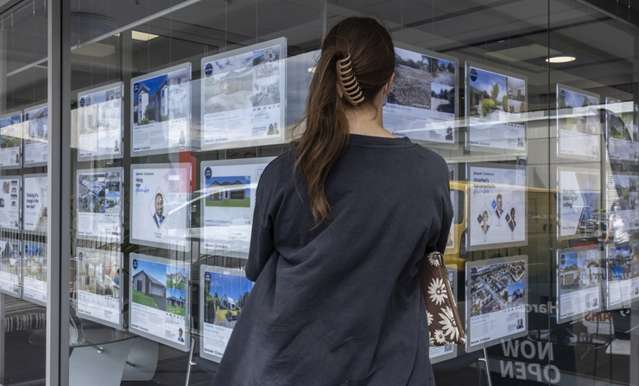
ANALYSIS: At some stage, house prices in New Zealand will start to rise outside the current hotspots of Invercargill, Queenstown, Dunedin and Christchurch. But we are not there yet.
The fact that prices are rising in the South Island is one reason for expecting eventual gains elsewhere. That is because the increases are being driven by economic strength in the primary and tourism sectors. History tells us that eventually such strength spreads to other parts of the country.
History also tells us that house prices tend to rise over time, following rises in household incomes. Then of course there is the general role of inflation tending to be associated with most things rising in price.
But at the moment we can see that price pressures remain largely negative. We know from the REINZ’s monthly nationwide House Price Index that average prices have fallen for four months in a row up to June. When the July numbers come out later this month, they are likely to show another decline.
Start your property search
In fact, my latest survey of residential real estate agents nationwide, undertaken last week with NZHL, found that a net 41% of agents observed falling house prices in their area. This measure has been in negative territory since the end of February, and the latest reading is the second worst since late April. Before that, you'd have to go back to mid-2024 to get a worse reading.
Discover more:
- Tony Alexander: Why banks are in a rush to raise fixed mortgage rates
- Revealed: The suburbs that made $100K in 90 days ... and those that lost it
- Election: 'No steep decline in property prices - but it’s not going to be rosy'
Why are prices falling, even though interest rates dropped sharply last year, the economy has been growing, business confidence readings are strong, and first-home buyers are active in the market?
The war in the Middle East is a big factor because people are worried about higher petrol prices, higher inflation, and higher interest rates. In fact, mortgage rates have been edging higher since late last year, with the popular two-year fixed rate now commonly about 0.8% higher than in early December.
In my survey, 51% of agents say that one of the things people are worried about is rising interest rates. That percentage was only 2% in November last year.
People are also worried about their jobs, according to 42% of agents, and this measure is not all that different from where it was before the US strikes against Iran. In fact, people have been strongly concerned about their incomes since the start of 2024. So far, the recovery in our economy has been slow to produce extra jobs. They will come, but that is probably a story for next year.
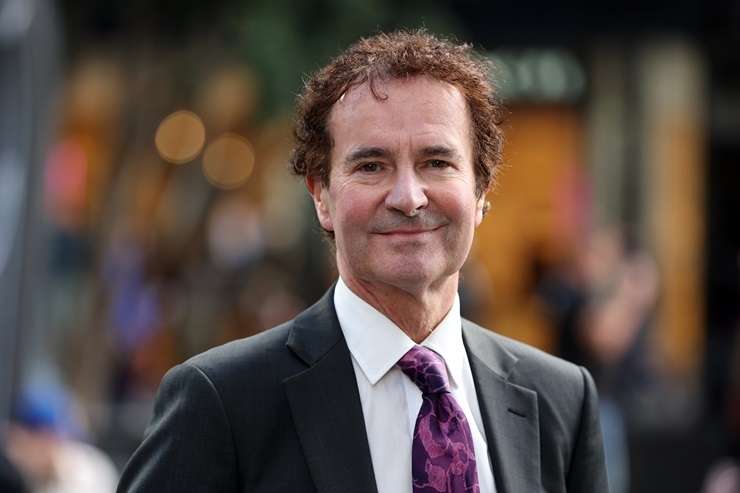
Independent economist Tony Alexander: "The war in the Middle East is a big factor because people are worried about higher petrol prices, higher inflation, and higher interest rates." Photo / Fiona Goodall
Potential buyers also remain worried that prices may fall after they make a purchase. This measure, which I call FOOP (fear of over-paying), was observed by 43% of agents last week. Before the war, the reading was 22% and a year ago it was 34%.
The continued fall in house prices shows such concerns are justified.
When might prices on average start to rise again? My best guess is late this year, with help from the election being out of the way, the labour market responding to the economic upturn, and surely worries about the Middle East firmly dissipating by then.
But it pays to remember that interest rates are likely to creep higher until maybe 2028, the election could produce an outcome which sends more investors running for the hills, and plenty of fresh housing supply looks like coming to the market. Strong price gains outside areas of strong internal migration don’t seem likely for a long time.
- Tony Alexander is an independent economics commentator. Additional commentary from him can be found at www.tonyalexander.nz