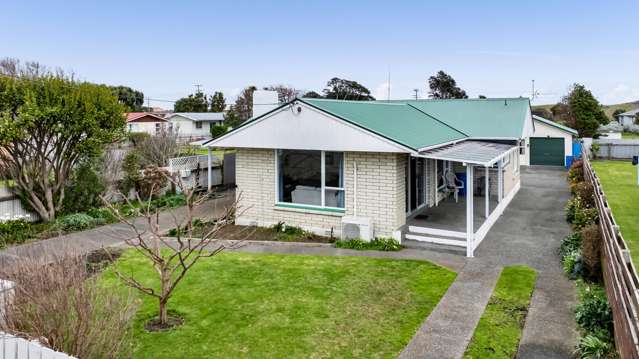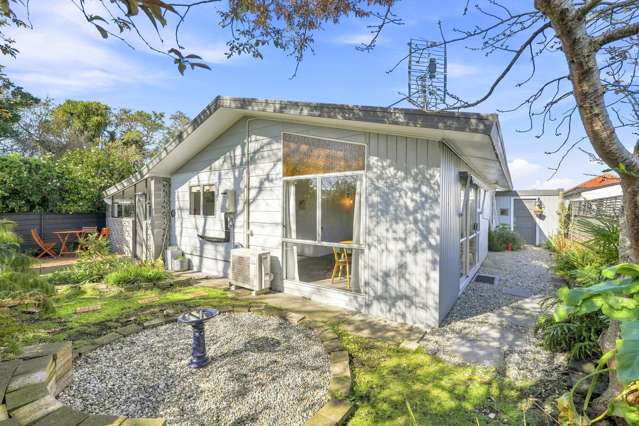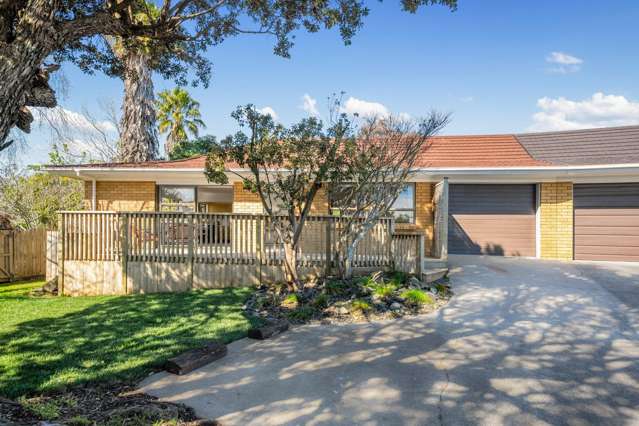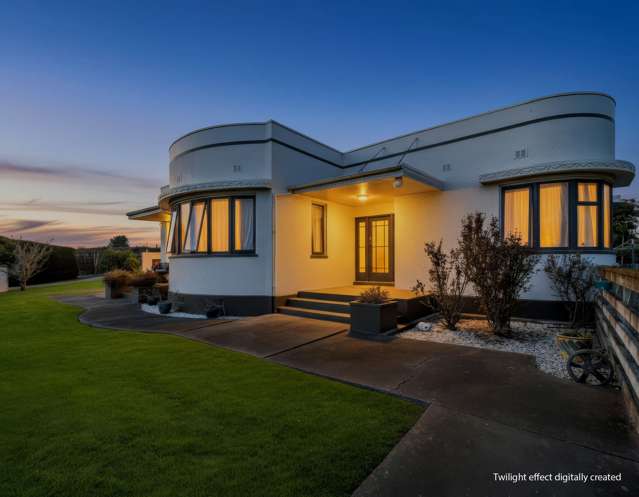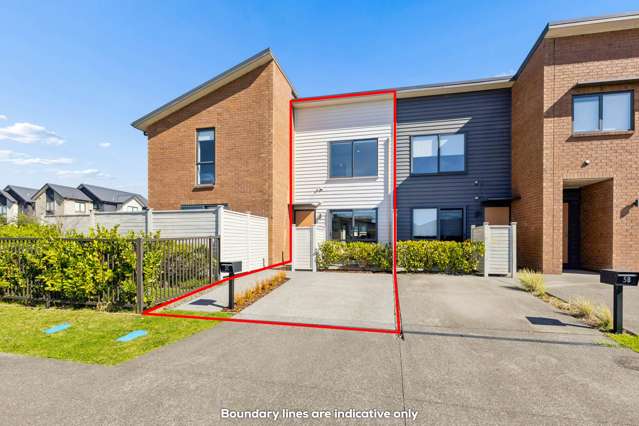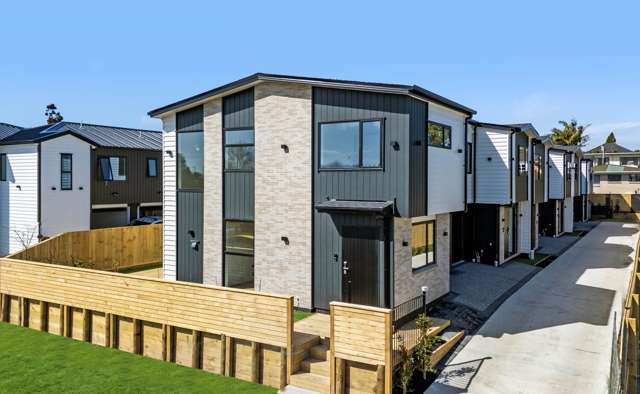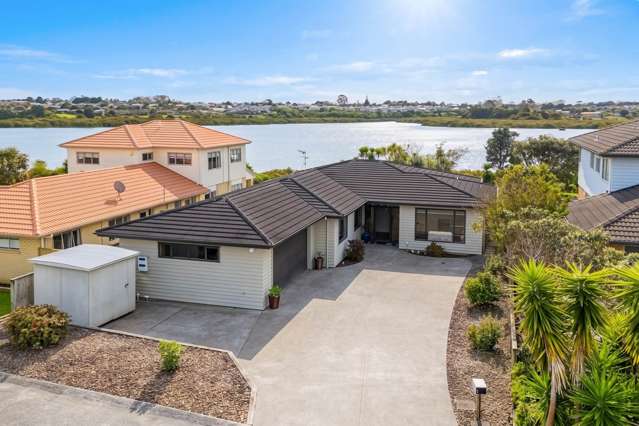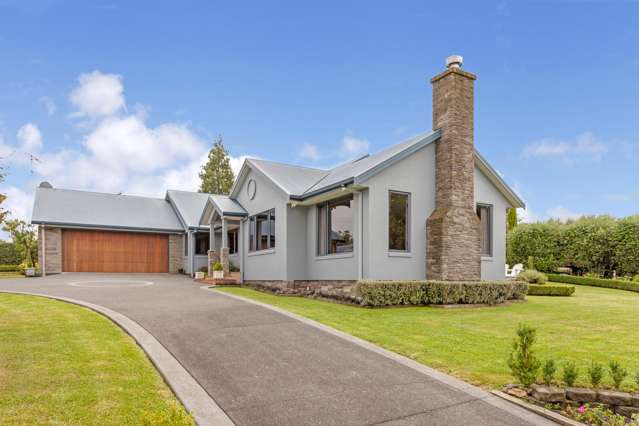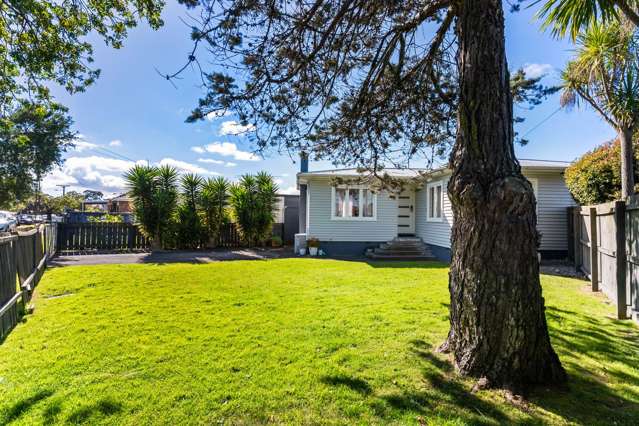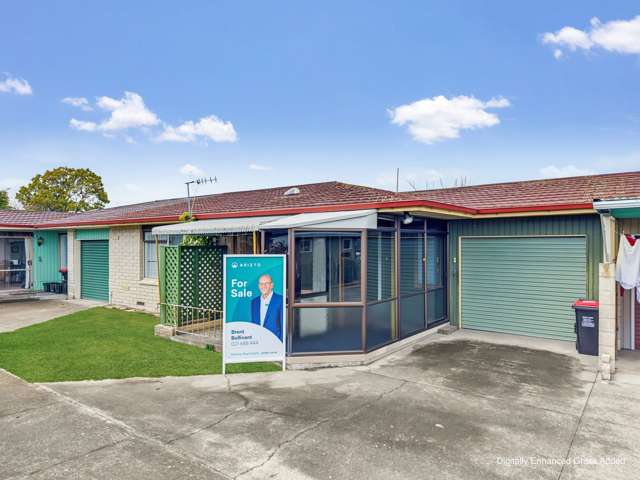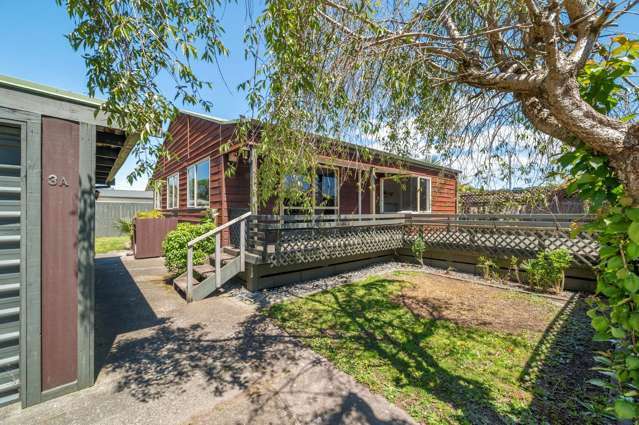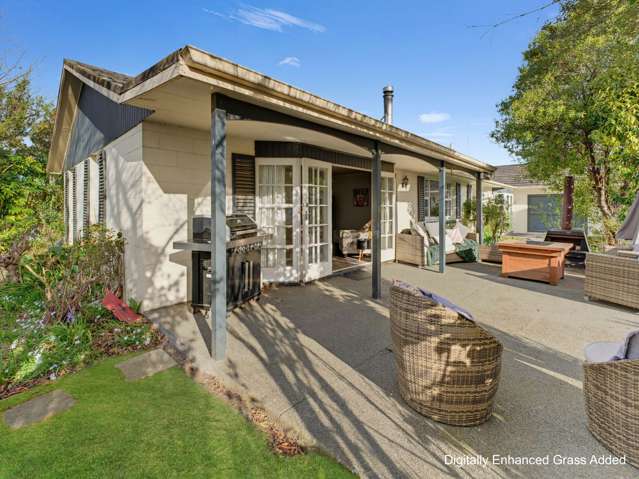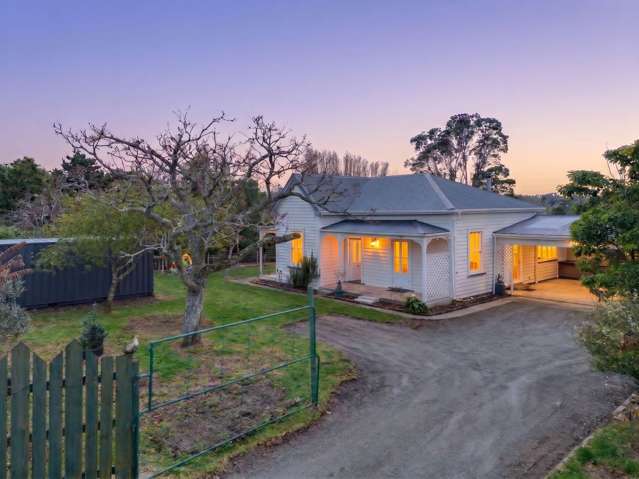
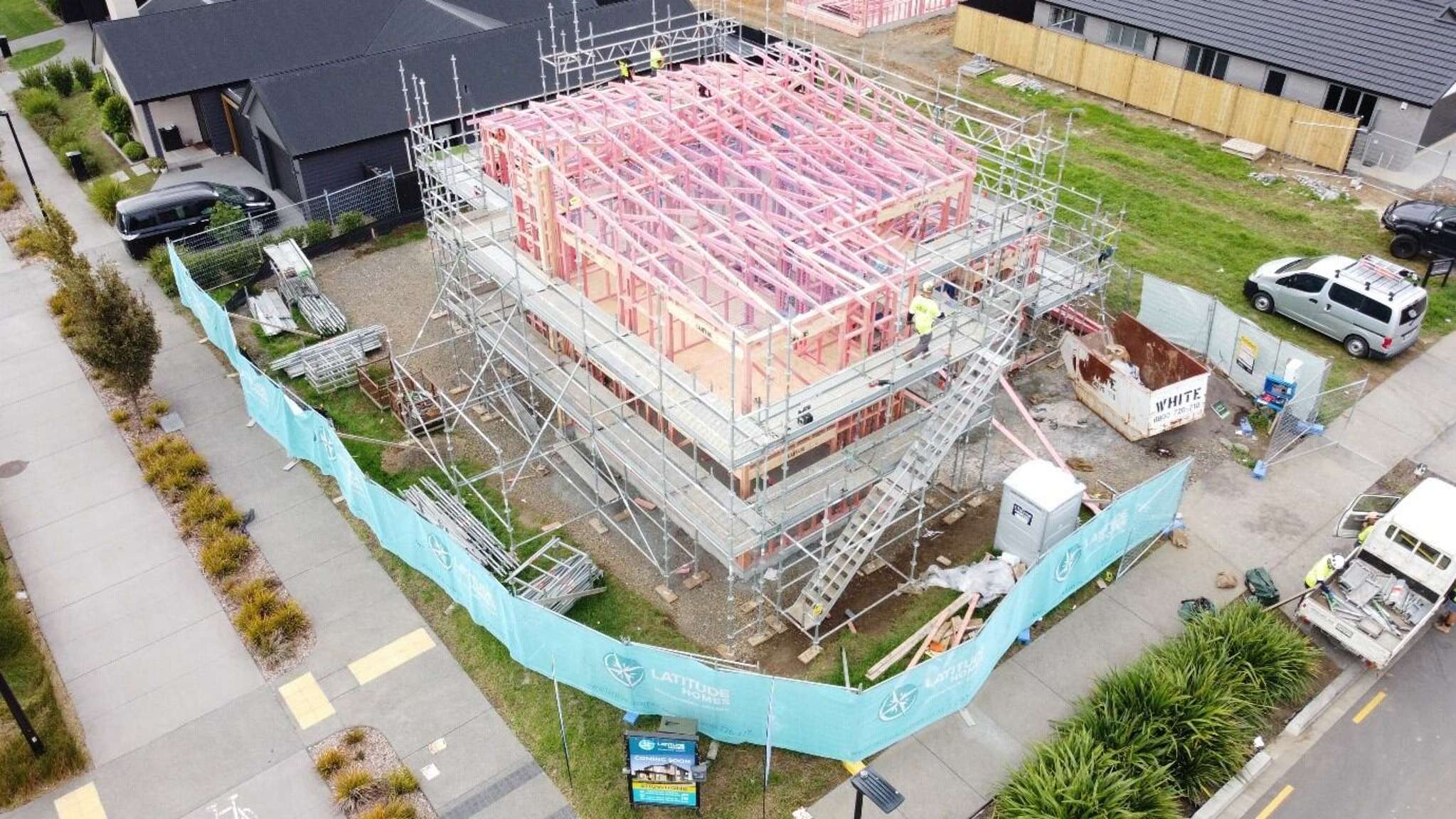
For generations, Kiwi house hunters have chased homes with what agents like to call “good bones”.
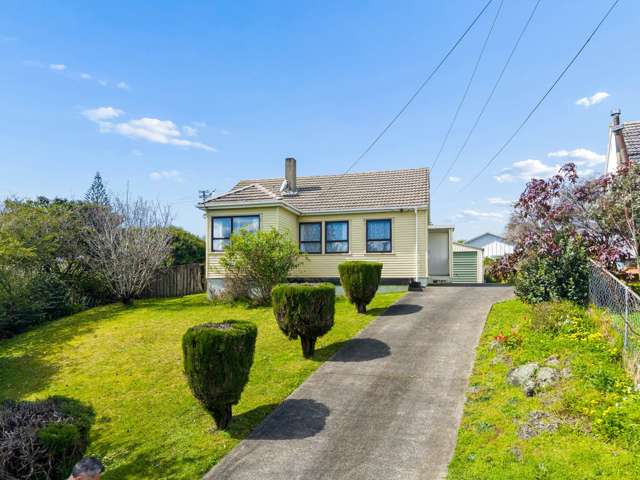
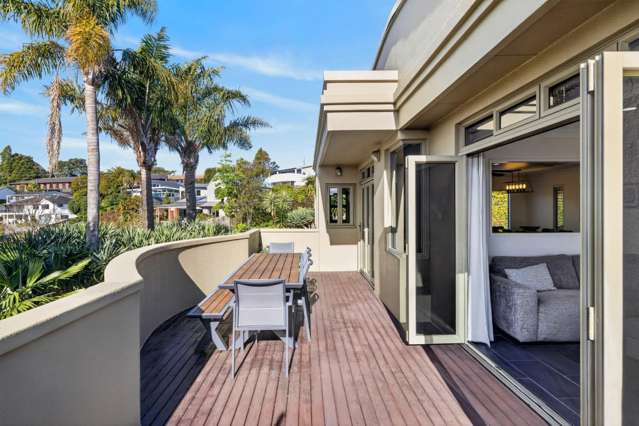
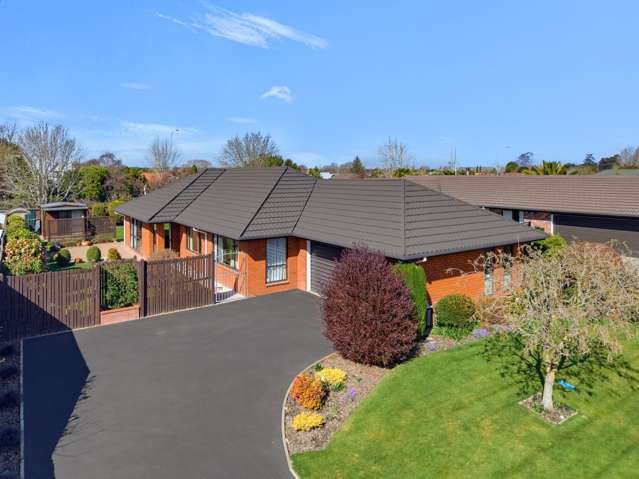
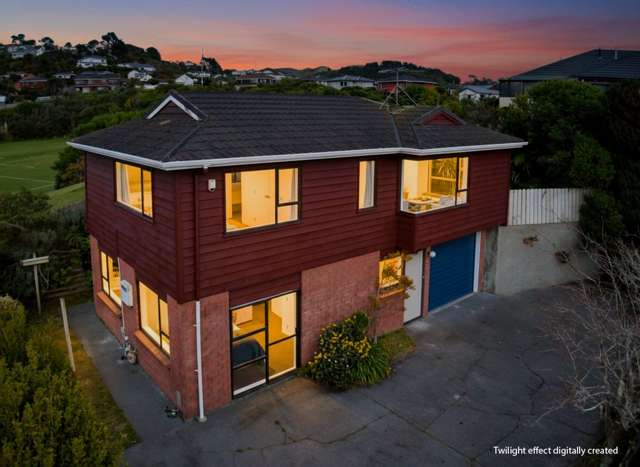
The phrase usually refers to older houses thought to have solid construction or character, such as villas, bungalows and weatherboard homes that have stood for decades.
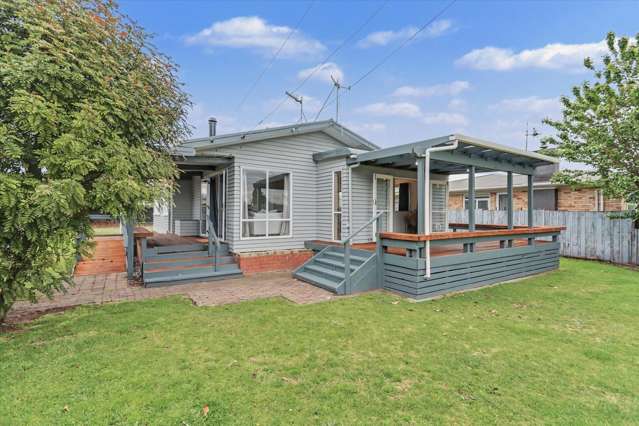
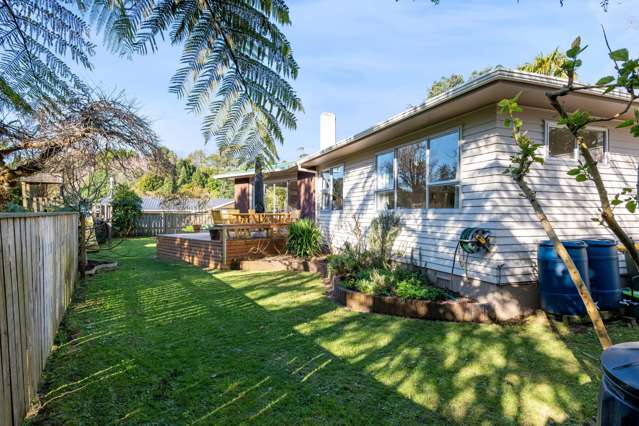
But while the idea still carries weight in the property market, builders say it can also hide the reality of ageing housing stock: older doesn’t necessarily mean better built.
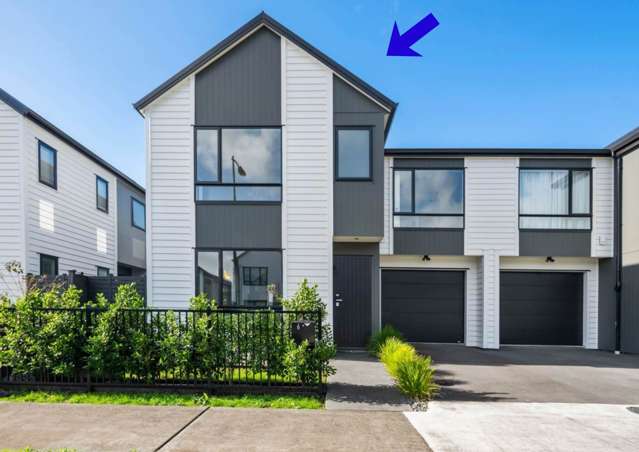
Latitude Homes managing director Marc Hunter, whose company operates nationwide from 13 locations across the country, said many buyers still assume older homes are automatically better built.
Start your property search
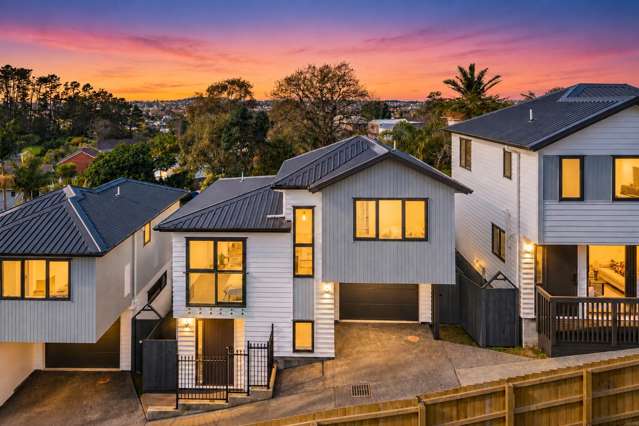
But construction standards have changed significantly over time. “You’re getting all the latest insulation and building code standards,” he said.
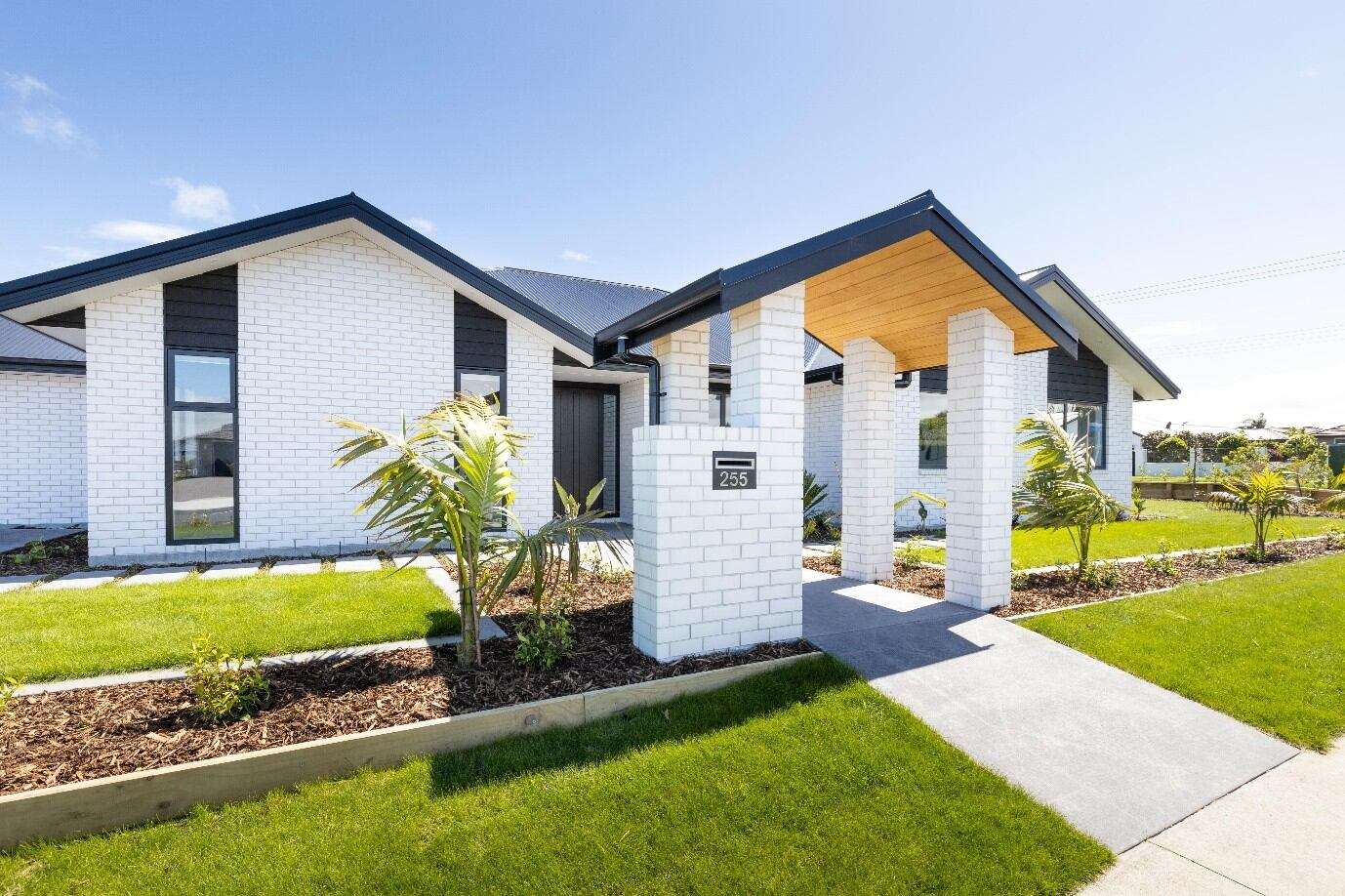
Older homes can certainly have charm. But they were also built to the standards of their time, long before today’s building codes around insulation, moisture control and energy efficiency.
That can mean the character buyers love may come with unexpected work.
Rewiring, plumbing upgrades, insulation retrofits and structural repairs are common issues with older homes. And unlike a new build, responsibility for those fixes usually falls entirely on the homeowner.
Ross Hughey, who oversees the King Country region, said maintenance is one of the biggest differences buyers notice when comparing older homes with new builds.
“An existing home, whether it’s 10, 15 or 20 years old, is always going to have something popping up,” he said.
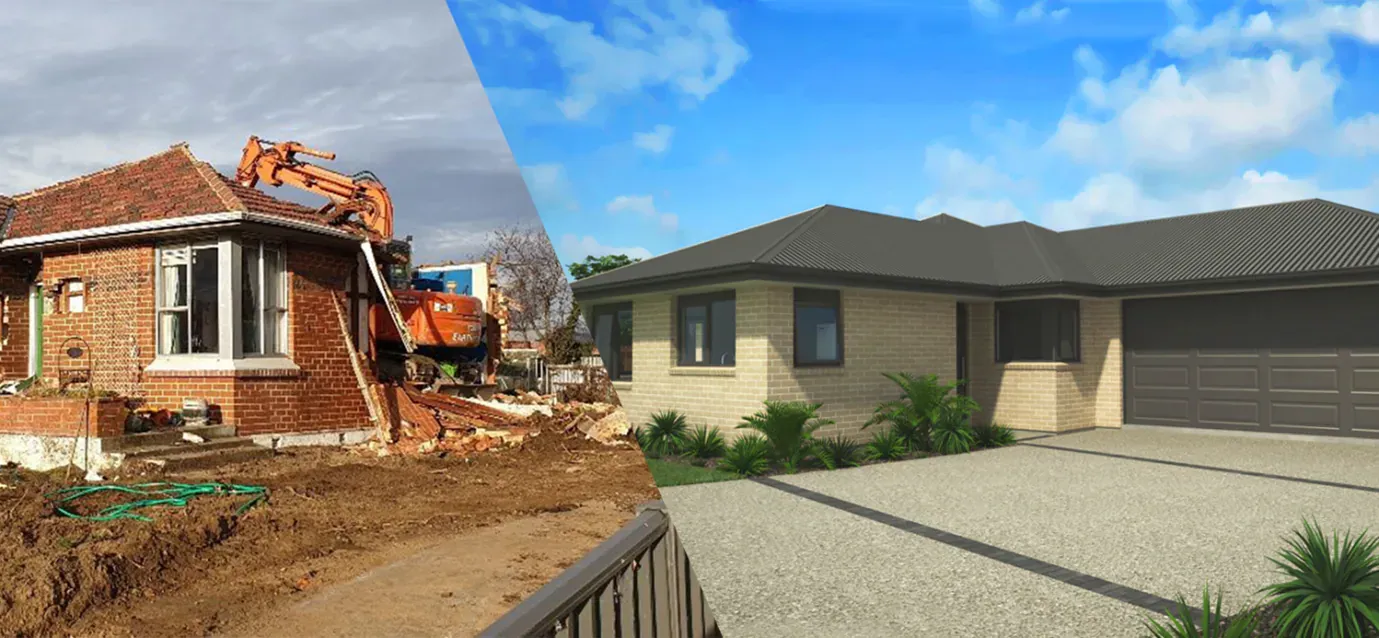
“Whereas with a new home you can fall back on warranties for things like roofing, joinery and workmanship.”
New Zealand’s building code has evolved significantly over the past two decades, particularly around insulation and moisture control.
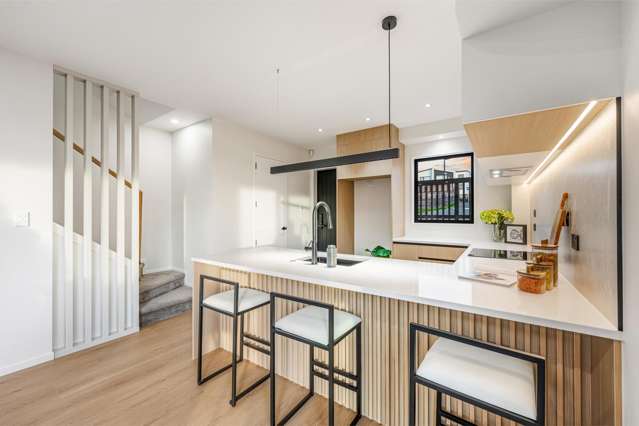
Double glazing, improved insulation and modern ventilation systems are now common features in new homes, creating warmer, drier living environments.
Lifestyle expectations have also changed.
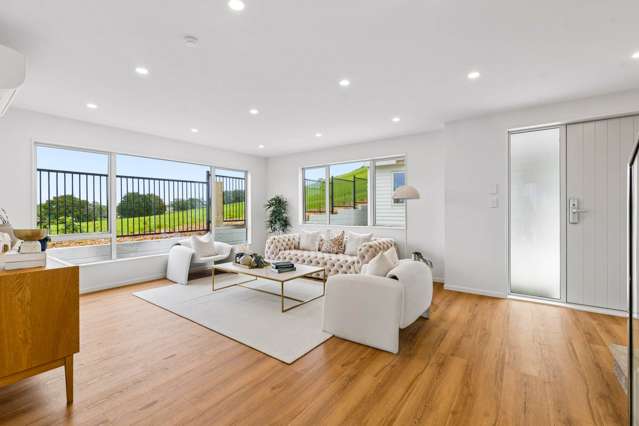
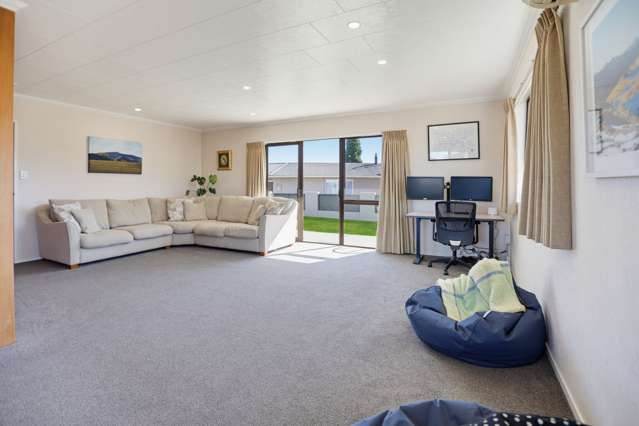
Older homes were built for different living patterns, while many buyers now want open-plan living, better storage and more functional spaces.
Hunter said building new allows homeowners to design around how they actually live.
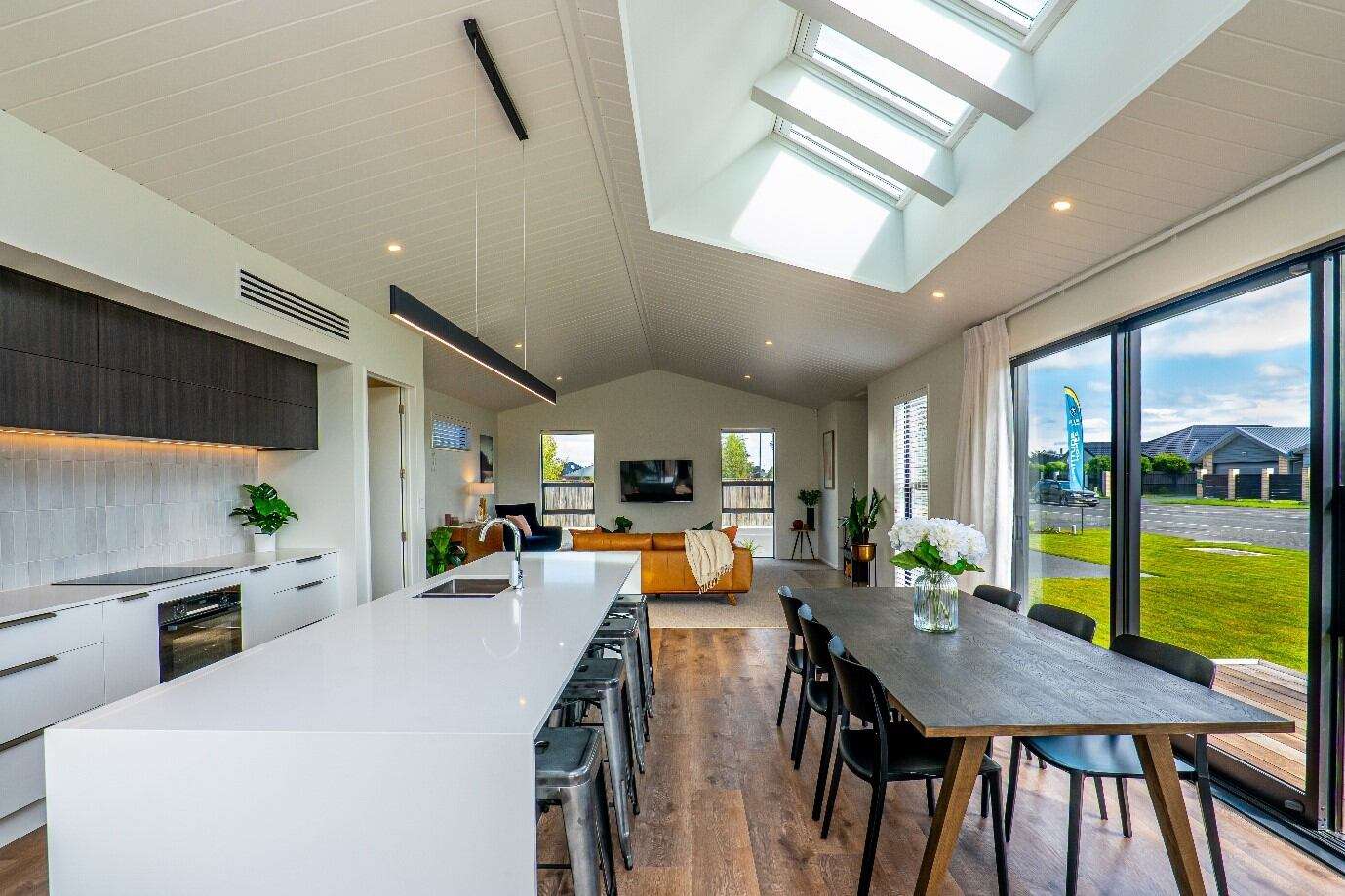
“You can choose the layout, the colours, the cladding, the carpets, the tiles – everything,” he said.
“That’s a whole bunch of fun for people when they realise they can create the home they actually want.”
Hughey said modern buyers also expect features rarely found in older houses.
“People want things like a walk-in scullery, a tiled shower and stone benchtops,” he said.
“Those are the things we see most often in new builds now.”
For some buyers, the shift in thinking happens after viewing multiple existing homes.
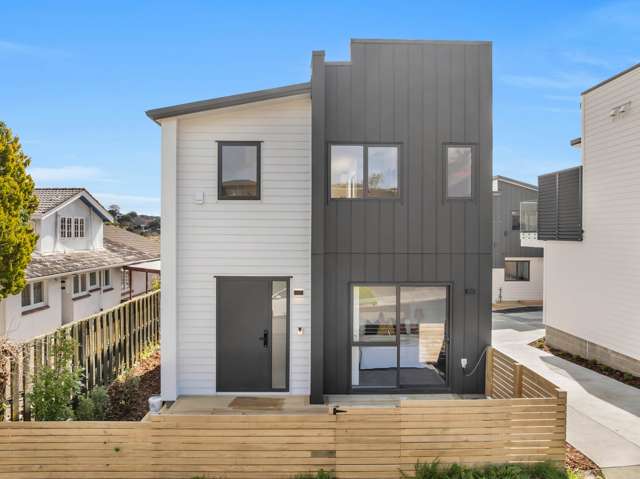
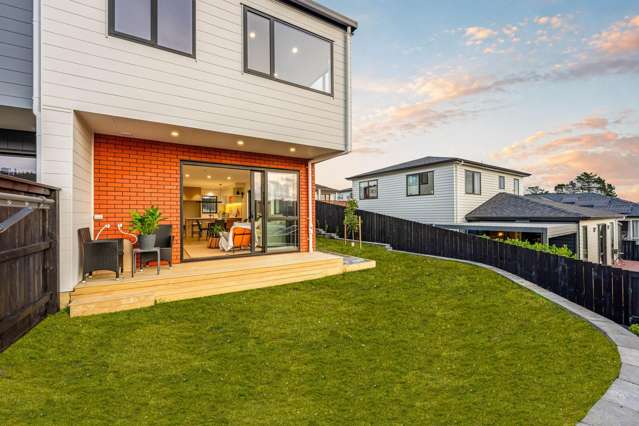
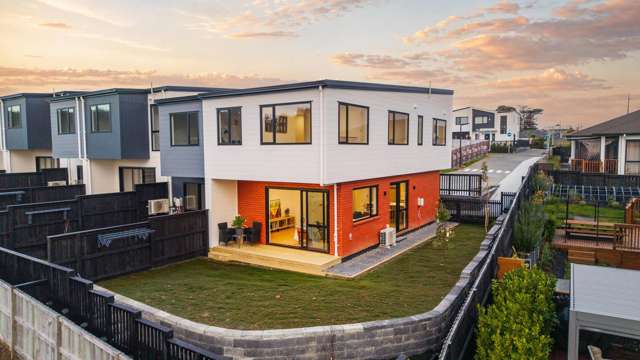
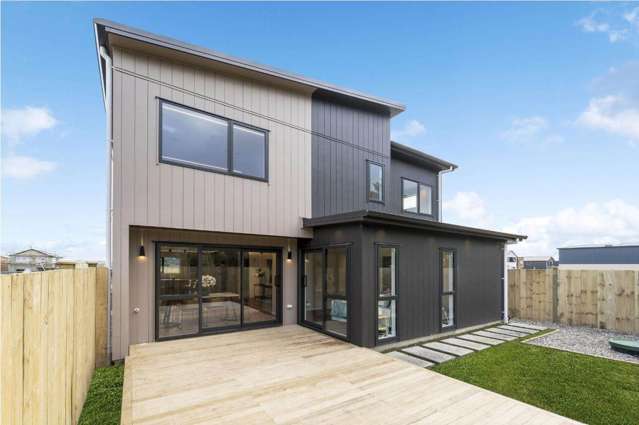
Stephanie Murray and her partner Scott McCandlish recently built a new three-bedroom home near Te Awamutu after struggling to find an existing house that suited their needs.
“We looked at quite a few open homes and they weren’t really what we were after,” Murray said.
Like many buyers, she assumed building would take much longer.
“I honestly thought it would take about a year.”
Instead, construction took around five and a half months.
“That surprised me the most. It was much quicker than I expected.”
The finished home was designed around the family’s needs, including separate bedrooms for their two children.
“It’s cooler in the summer and it’s definitely going to be warmer in winter,” Murray said.
“And it just feels like our home.”
Hunter said guiding clients through the process was an important part of building a new home.
“What’s really important to us is the relationship and the communication we have with our customers,” he said.
For some buyers, the appeal of a brand-new home designed around their lifestyle, with modern comfort and minimal maintenance, is starting to outweigh the romance of an older property.
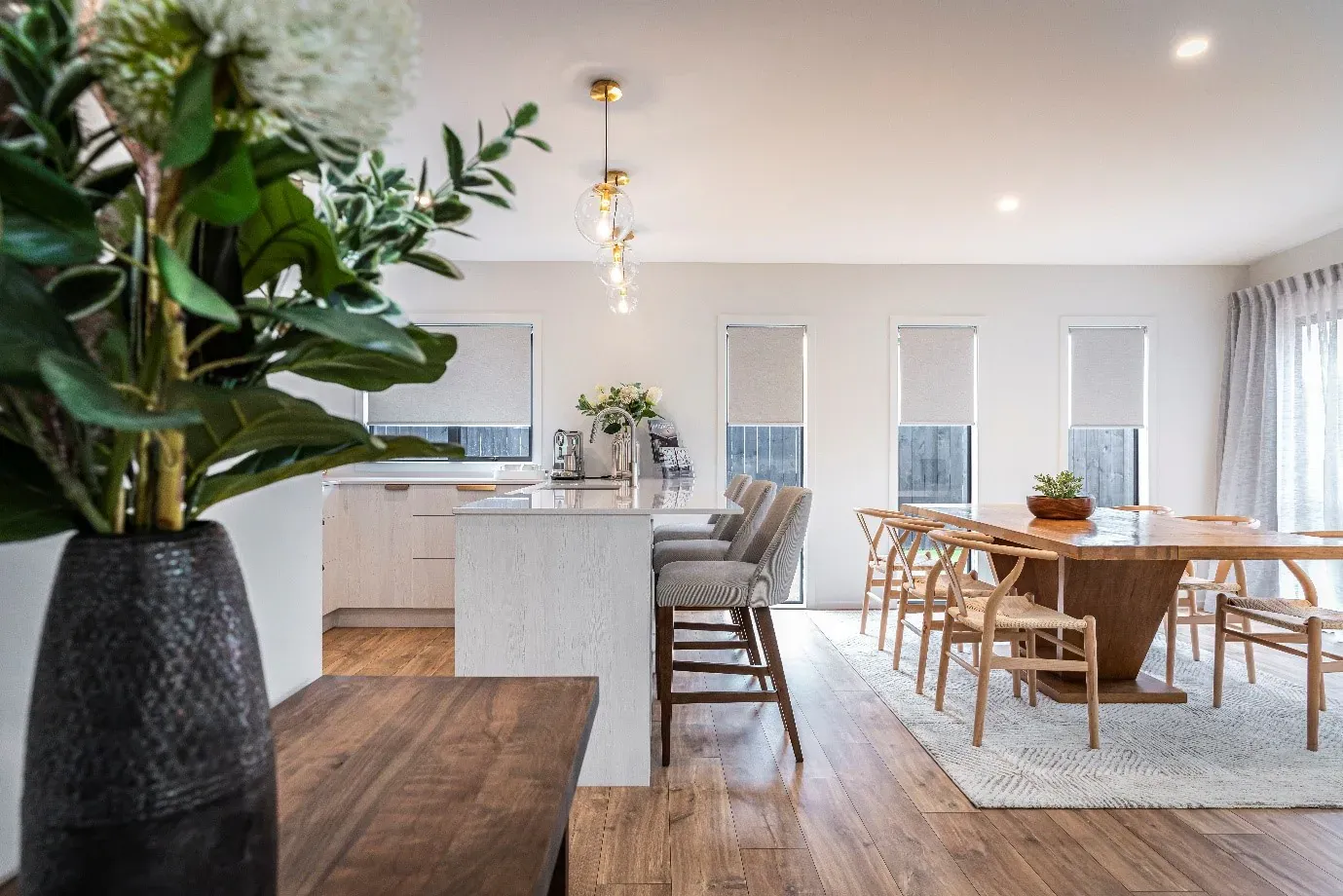
“You’re getting a brand-new house that no one has lived in before,” Hunter said.
“And you get to build it the way you want.”
If you’re thinking about building, start by talking with the Latitude Homes team or visiting latitudehomes.co.nz to explore plans, sections and options.