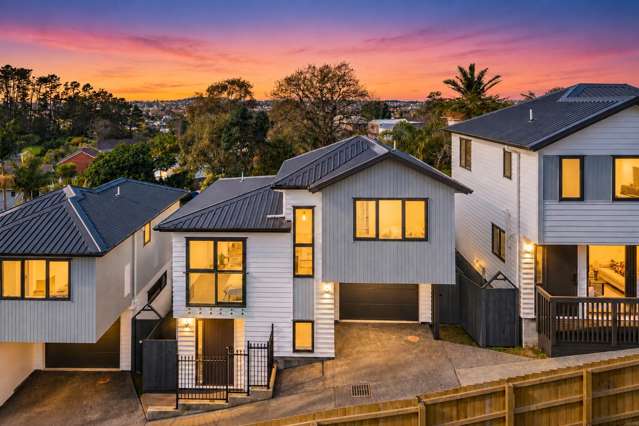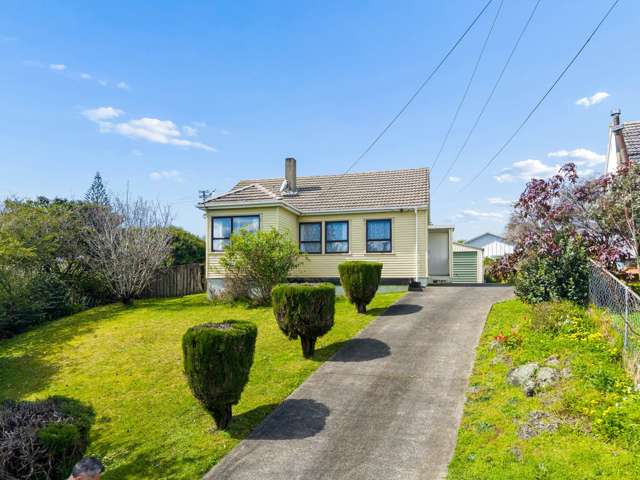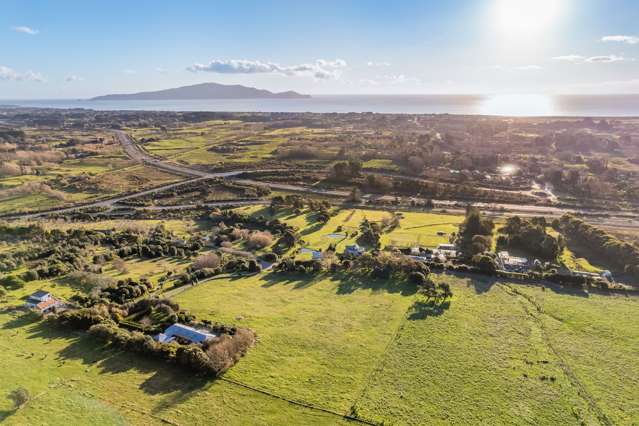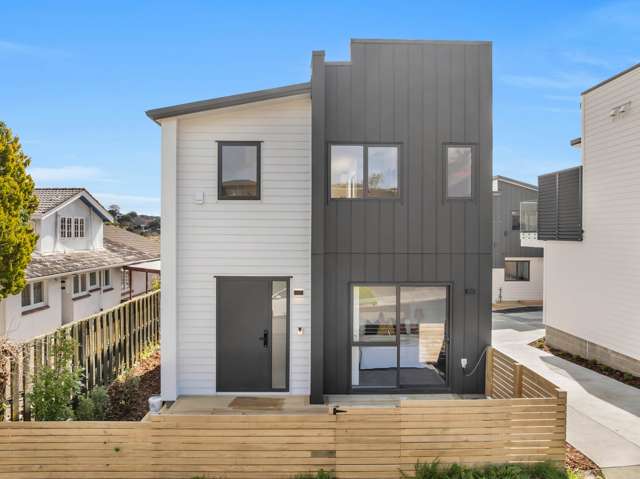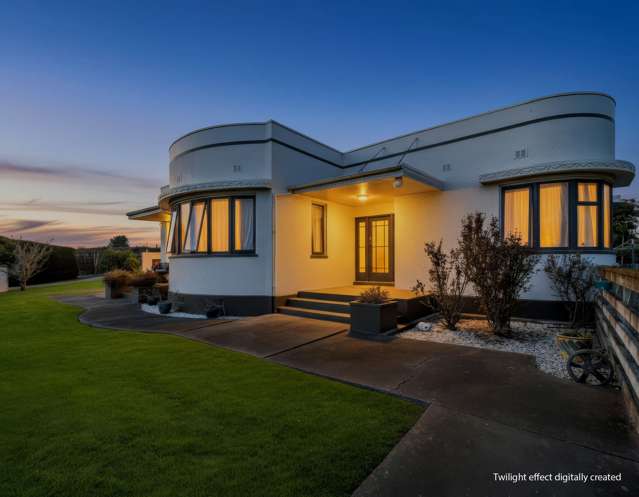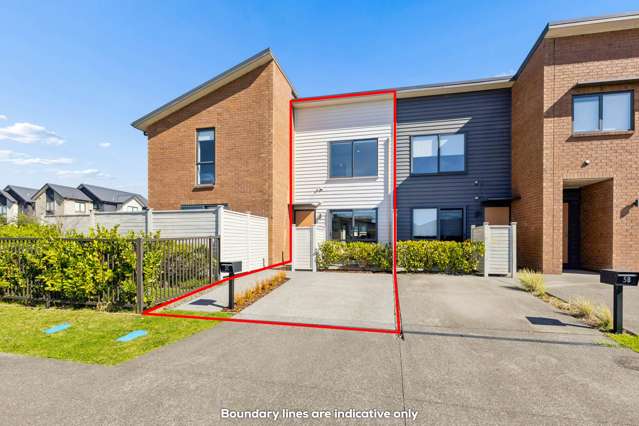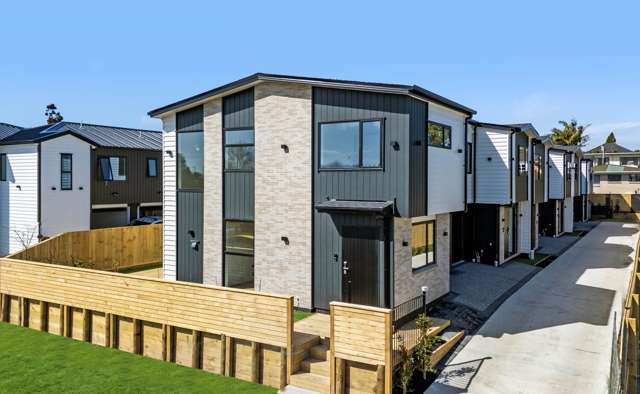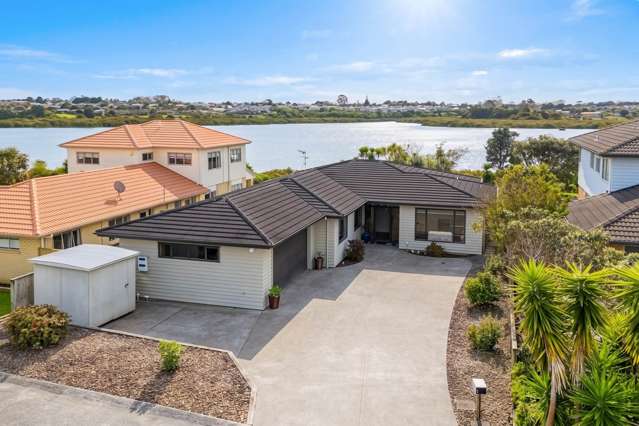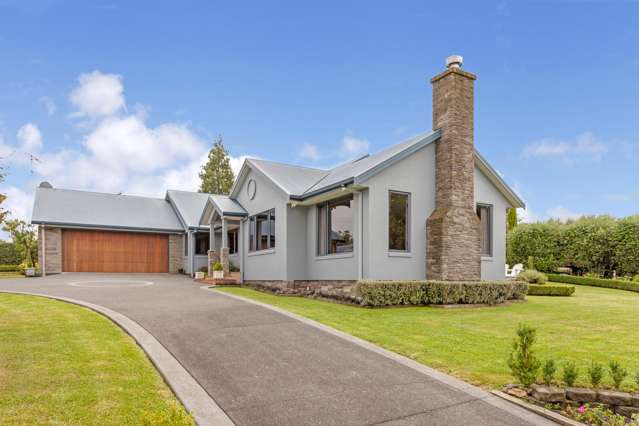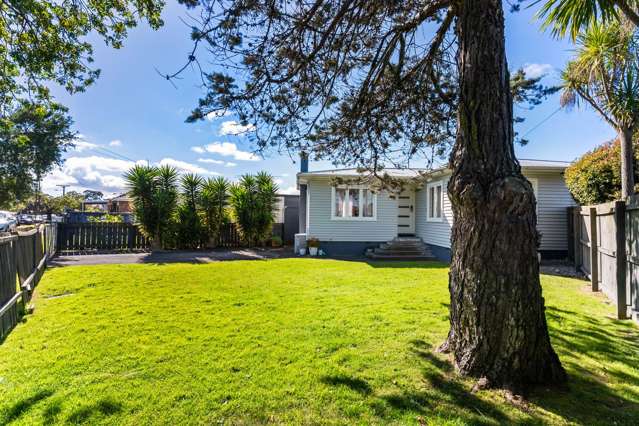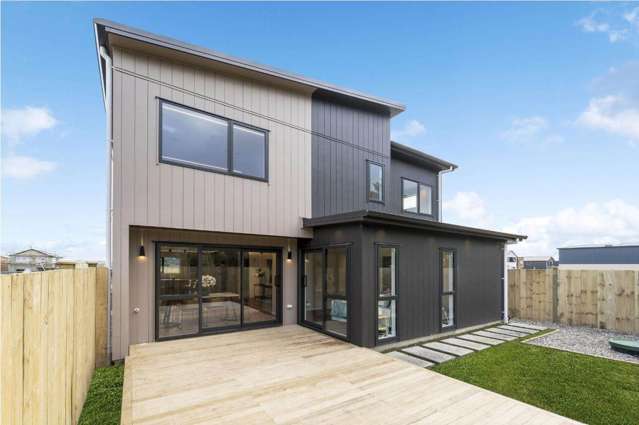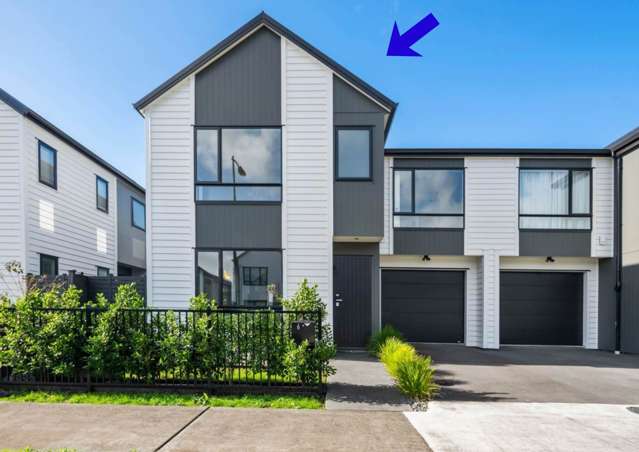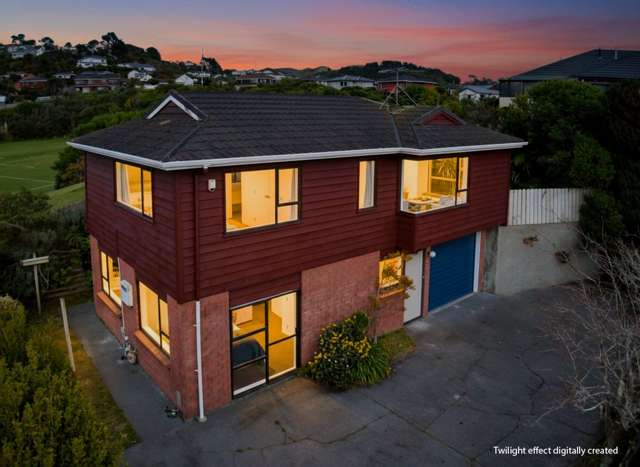
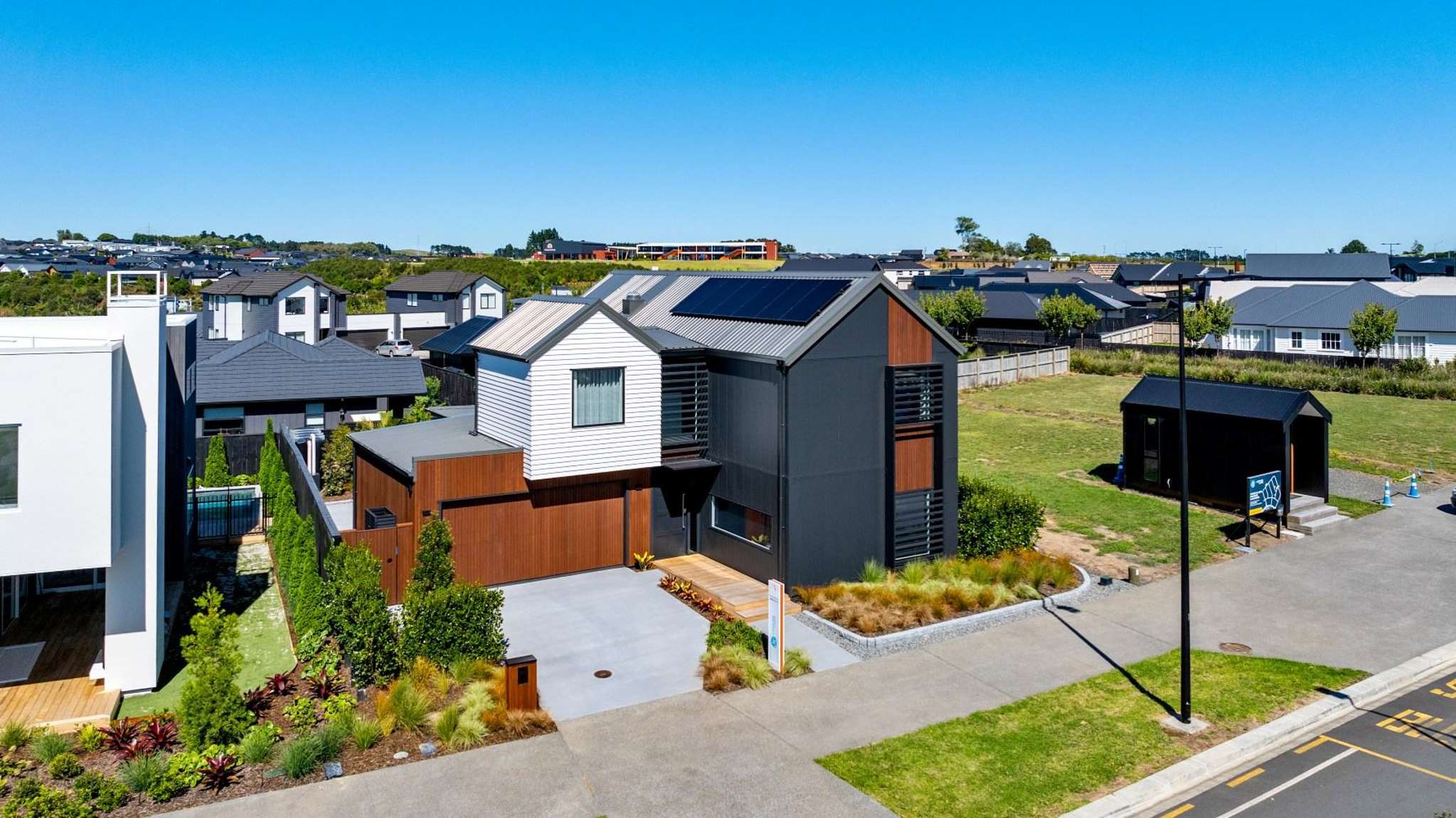
Many home buyers rule out building before they properly explore it – but that decision is often based on a misconception.
“People think building costs more than buying an existing house. That seems to be the biggest myth,” said Latitude Homes managing director Marc Hunter.
Part of that thinking may stem from the belief that building requires a much larger deposit than buying an existing property.
Another factor is the widely held idea that buyers must have a 20% deposit to purchase a home.
Start your property search
That expectation largely reflects loan-to-value ratio rules, or LVRs, set by the Reserve Bank of New Zealand, which restrict how much low-deposit lending banks can offer on existing homes.
The Reserve Bank eased those settings in December 2025, giving lenders slightly more room to approve borrowers with smaller deposits.
New builds, however, are often treated differently. Because newly constructed homes add to the country’s housing supply, they are typically exempt from those LVR restrictions.
Banks are also generally comfortable lending on construction projects, Hunter said, despite another common misconception.
“There’s a myth that banks don’t like construction lending,” he said.
“In reality, the lending rules around new builds are often more flexible than people expect. With an existing house you might need 20%, but with a new build you might only need five or 10%.”
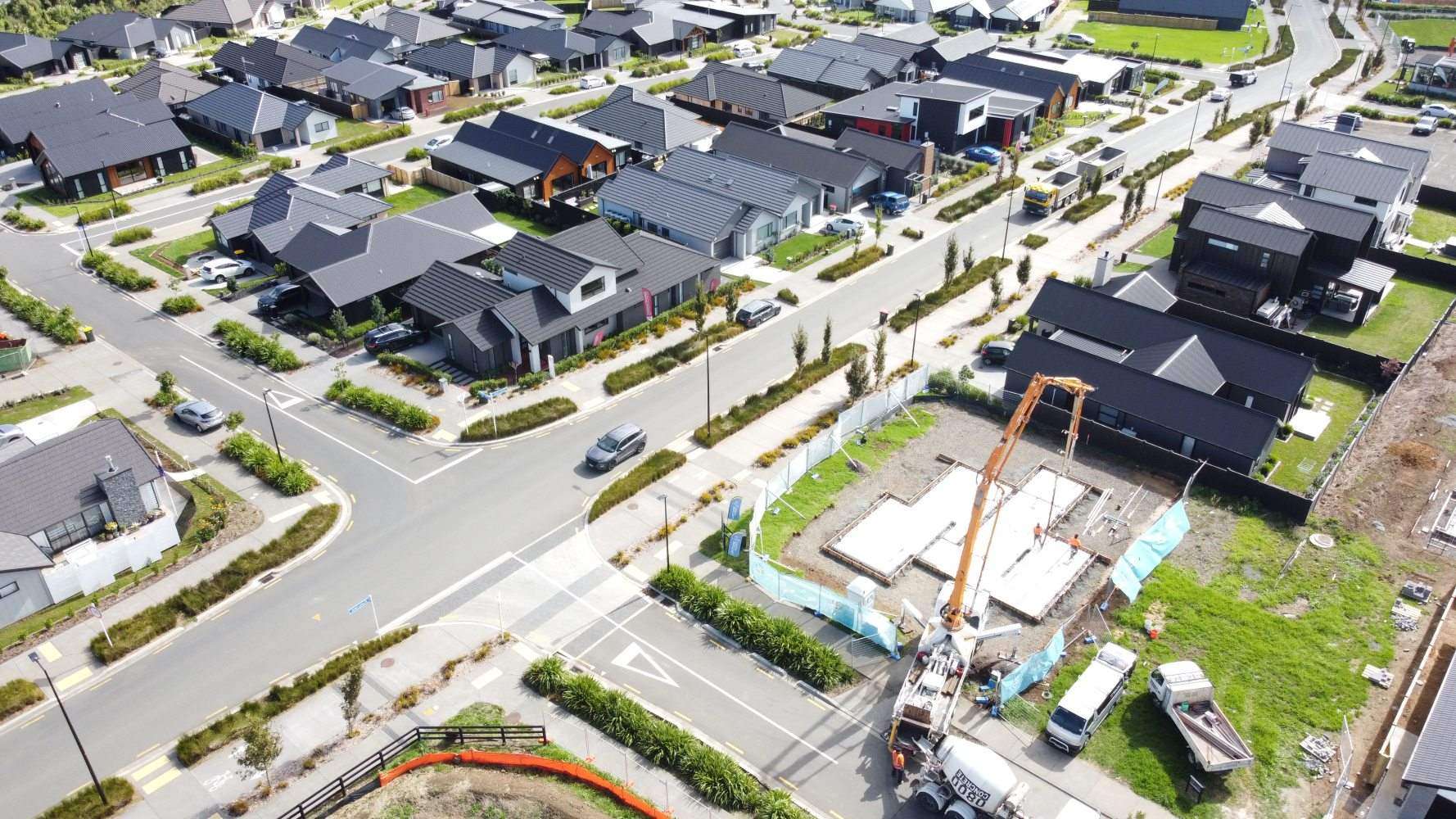
Latitude Homes has 13 locations around the country. Ross Hughey, who oversees the King Country region, said misconceptions about deposits are common among clients considering a build.
“They come in with this idea that they have to have this big deposit,” Hughey said.
“Once they talk to a mortgage broker or the bank, they realise it’s not actually that bad.”
One option some buyers explore is a turnkey build, where the buyer signs a contract for a completed home at a fixed price rather than purchasing land and managing construction themselves.
In other builds, finance is typically drawn down in stages as construction progresses, meaning buyers are not servicing the full mortgage from day one.
Most building contracts are agreed at a fixed price, giving both the buyer and lender certainty about the final cost.
From a lending perspective, the overall process can still look similar to purchasing an existing home.
Hunter said the relationship between builder and client was also key when people were considering a new home.
“What’s really important to us is the relationship and the communication we have with our customers,” he said. “It’s got to come down to the trust you have with the person building your home.
“New builds can also appeal to existing home owners looking to upgrade or build a home better suited to their needs.
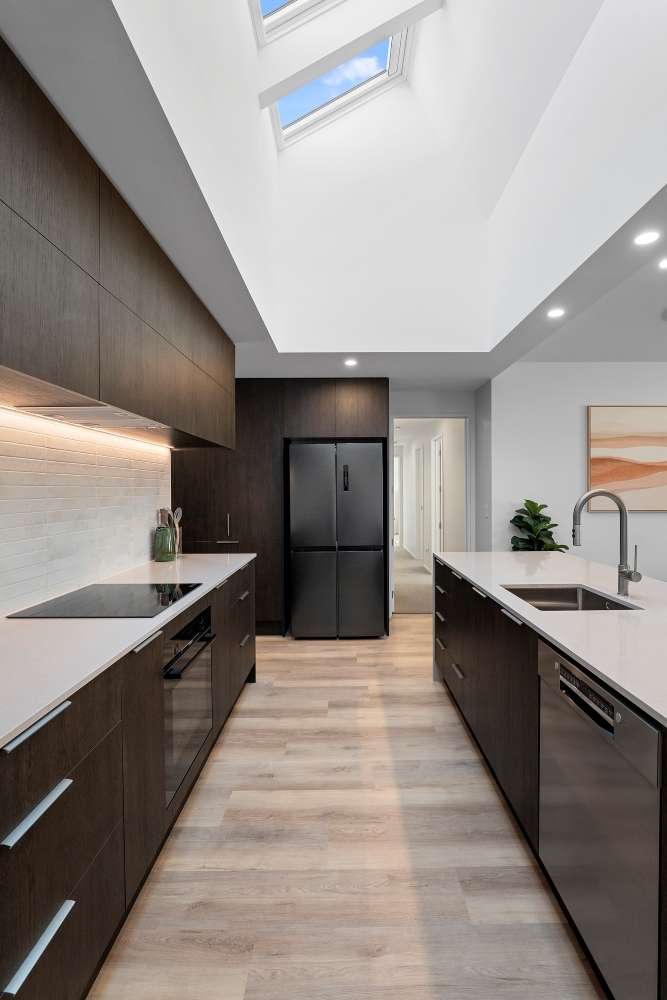
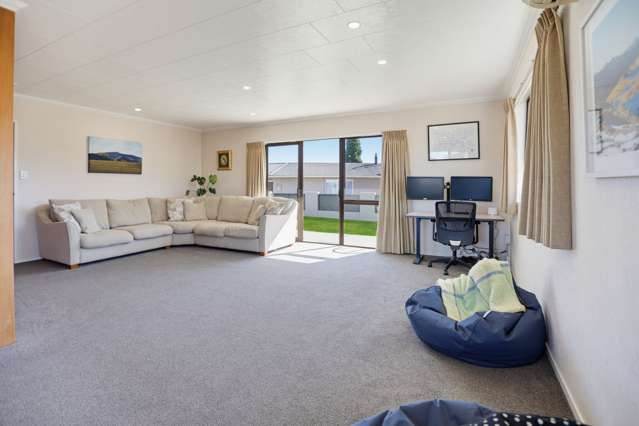
Modern homes are built to meet much stricter standards around insulation, ventilation and energy efficiency than houses built decades ago. That can mean warmer, healthier homes and lower ongoing maintenance.
In a market where prices have stabilised in many areas after several volatile years, some buyers are also reassessing the relative cost of building compared with buying an existing home.
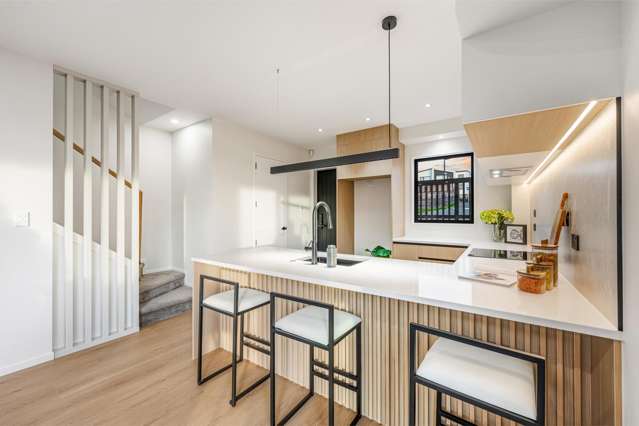
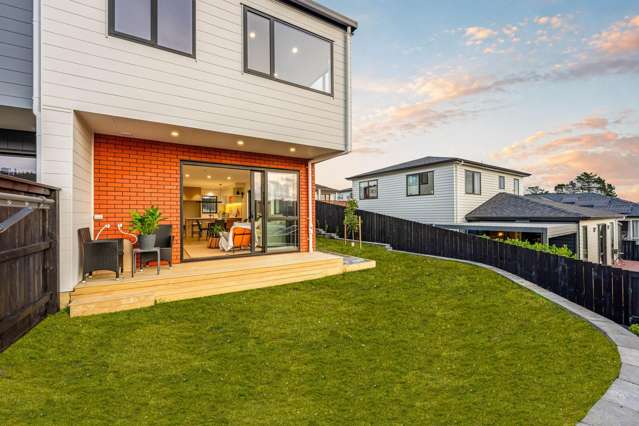
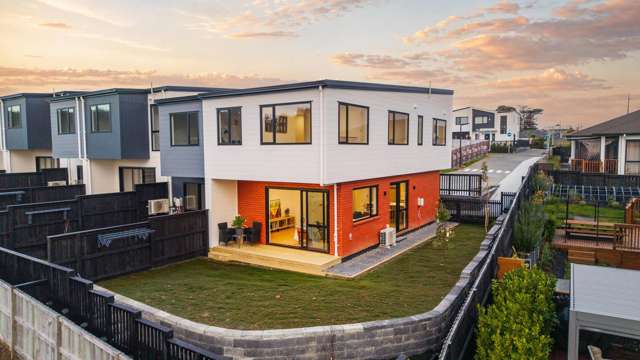
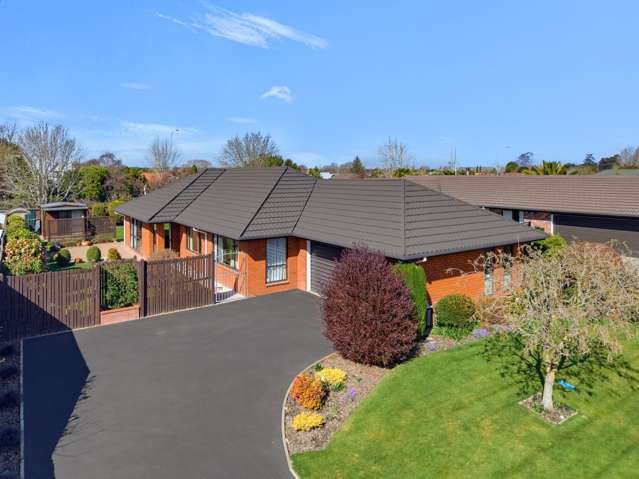
For Stephanie Murray, who recently built a three-bedroom home in Te Awamutu with Latitude Homes, the process was initially unfamiliar but ultimately straightforward.
“We were able to stick to budget. We actually came in under budget, which was good.”
Hunter said new builds can also create equity more quickly because the property is brand new and built to current standards.
Building can also allow buyers to create value in the property over time.
“When you’re buying an existing house, you’re often paying for the capital gain someone else has already made,” said Hunter.
“With a new build, you’re starting fresh and you’re the one who benefits from that value over time.”
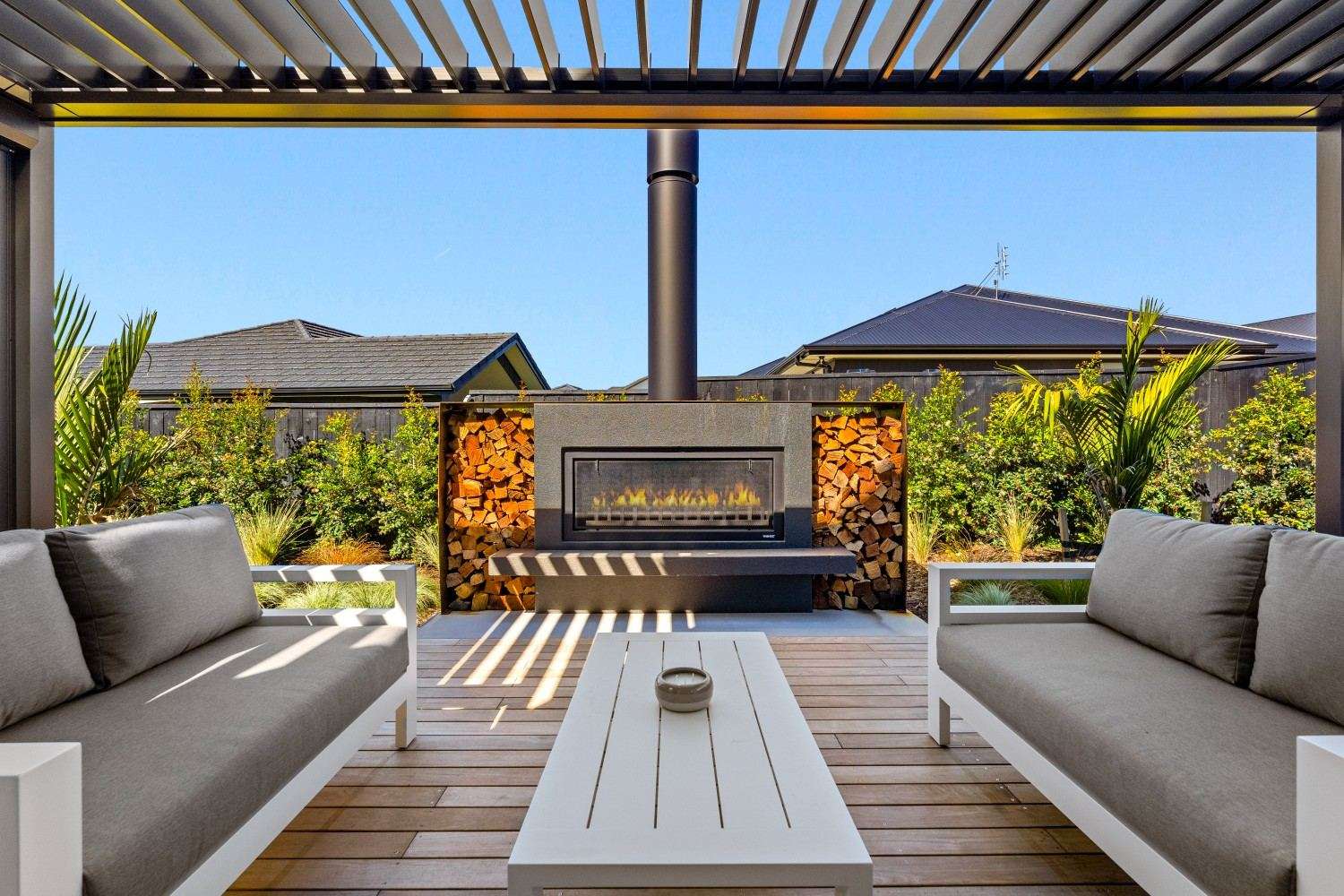
Lending decisions still depend on factors such as income, servicing ability and the policies of individual lenders. But in many cases the biggest barrier is not finance. It is the belief that building a home simply isn’t possible.
If you’re thinking about building, start by talking with the Latitude Homes team or visiting latitudehomes.co.nz to explore plans, sections and options.