- Inflation has spiked, pressuring the Reserve Bank to consider early rate hikes.
- ANZ cut its house price forecast from 5% to 2% growth, with mortgage rates rising.
- Economists advise fixing mortgage rates for two or three years, citing uncertainty and potential rate increases.
Expectations that New Zealand’s economy and housing market would enjoy steady growth in 2026 have taken an early knock.
Start your property search
While business confidence has improved, the unexpected spike in inflation has soured the good vibes and raised the spectre of early rate hikes.
Annual inflation in the last quarter of 2025 jumped outside the Reserve Bank’s target band of 1-3%, putting pressure on the new governor to bring forward plans to raise the Official Cash Rate.
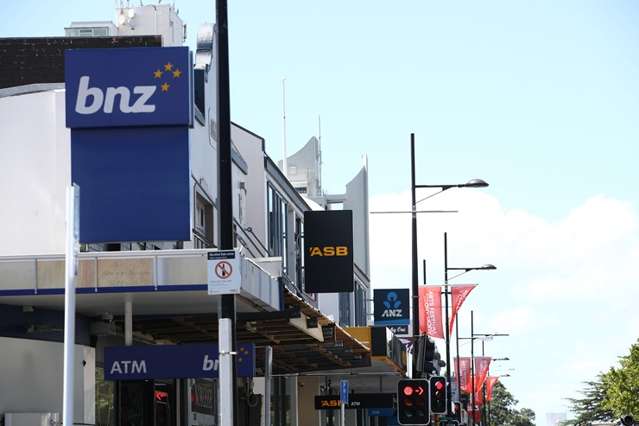
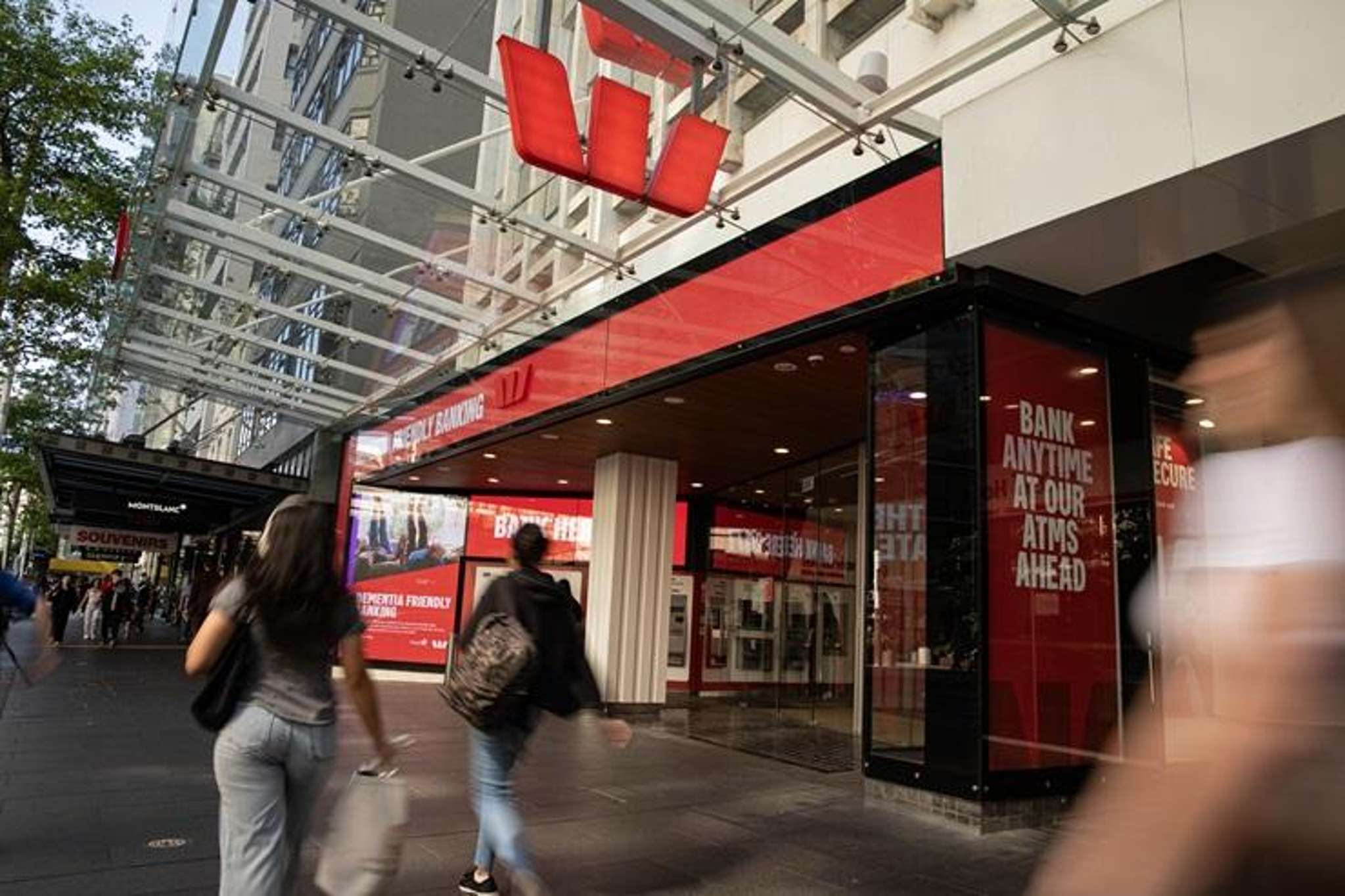
Westpac and ASB have already upped their longer-term mortgage rates, and ANZ this week cut its house price forecast from 5% to 2% growth.
Mortgage-holders who have been holding out for cheaper deals may be stuck with creeping rate rises, with sub-5% five-year rates some of the major banks were offering in October now long gone.
With the year off to a gnarlier start, Kiwibank chief economist Jarrod Kerr said he was pleased he already fixed the bulk of his mortgage for three years.
But he advised mortgage-holders not to panic. While higher inflation is not a nice way to start the year, the number will drop, he said.
“There’s still enough weakness in the economy to see inflation ease from here, so yeah, look, we’re not starting where we want to start, but hopefully we will still finish where we want to finish.”
There had been good data on spending, and business confidence had improved on the back of recent rate cuts.
However, house prices were unlikely to jump while supply still outweighed demand, although Kerr noted that the housing market was finally recovering.
Discover more:
- Tony Alexander: Desperate landlords, rising prices and early rate hikes - 2026's nasty surprises
- Queenstown ‘gazillionaires’: Surge in ultra-wealthy foreign buyers chasing luxury escape
- 'You should all move down here': Invercargill home with deco vibes has $739,000 price tag
Kerr, and some of the other experts OneRoof spoke to this week, thought fixing mortgage rates for two or three years was a better option than five years or one.
His own decision gave him certainty, he said, although he added that fixing long-term sometimes worked but sometimes it did not. “I fixed for five years in 2018 – that was no good. But then I fixed for five years in 2021 when we got the lows, and I was pretty proud of myself then,” he said.
“You never get the highs and the lows exactly right all the time.”
Fixing was a psychological decision as well as a financial one, Kerr said, especially given what was happening around the globe.
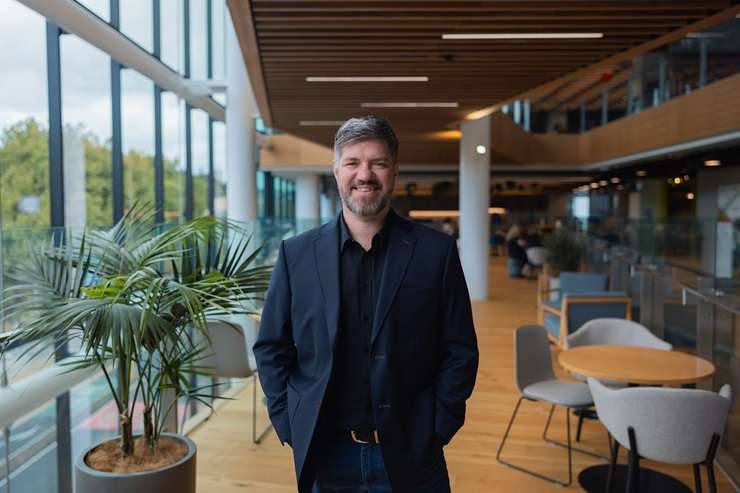
Kiwibank chief economist Jarrod Kerr: "You can still get a mortgage rate which is a damn site more attractive than it was a couple of years ago." Photo / Supplied
“The market was thinking about more rate cuts when I was fixing for three years, so I was looking at it thinking ‘you know what, these rates could go much further south over 2026 if things really go wrong with Trump or whatever’, so that was definitely in the back of my mind.”
Most Kiwibank customers had played their mortgage rates well over the last few years, he said. When rates were above 7% they were fixing for six months or a year, but a lot of those people had rolled off and were now fixing for two or three years.
“I think that’s just people going ‘OK, I think we are at or near the bottom’, or the bottom was like last year, but you can still get a mortgage rate which is a damn site more attractive than it was a couple of years ago.”
If inflation did jump further this year, Kerr would be happy with his decision as interest rates would go higher, not lower.
People should get advice on what they should do, and they could also consider chopping their mortgage up rather than keeping it as one big sum, which Kerr said he often does, because that way they had the ability to pay down the mortgage every year as one portion rolled off.

ANZ says expectations of an early increase in interest rates will mean slower house price growth in 2026. Photo / Fiona Goodall
ANZ economists now expect OCR hikes from December this year, and have revised their house price forecast downward as a result.
House prices were starting the year with little momentum, and uncertainty from the upcoming election, including the prospect of a capital gains tax, could keep some buyers on the sidelines this year, they wrote in their January Property Focus Report.
“As OCR hikes draw closer, mortgage rates are shifting from a tailwind to a headwind for the housing market. Weighing it all up, we have reduced our house price inflation forecast for 2026 to 2% (from 5% previously).”
They expected fixed mortgage rates to continue rising gradually and said that suggested there was still merit in fixing for longer, even though mortgage rates were up from their lows.
Breakeven analysis suggested merit in fixing for two or three years, though fixing for four or five might appeal to people who wanted certainty or worried about the long-term outlook for interest rates.
“Floating is still very expensive, and much cheaper 6-month rates may be a viable alternative for those who value flexibility,” ANZ’s economists said.
Infometrics chief executive Brad Olsen told OneRoof that the Reserve Bank’s decision to cut the OCR to 2.25% might have been an overly optimistic view of how much further stimulus the economy needed.

US President Donald Trump’s rhetoric around tariffs and foreign interventions is adding to global instability. Photo / Getty Images
He said global instability was also unhelpful. “You continue to see a real difference between the sort of rhetoric that comes out from the US president and the actual reality.”
There had been a lot of turnarounds and bluster around tariffs, for example, and for businesses, that was a pain because they did not know what to plan for.
“I don’t know if that has any direct implications for New Zealand interest rates, but it just sort of creates a wider tone of uncertainty across the economy and what’s happening out across the world.”
Olsen said inflation in New Zealand was now trending higher than anyone anticipated, and he expected an OCR increase in the last months of this year.
“The very earliest the Reserve Bank would have enough information to make any sort of early run would be May,” he said.
“[But] you’ve also seen in the last couple of weeks that markets and banks are not necessarily waiting for that.”
Some had already raised their four and five-year fixed terms, “maybe not huge amounts, but they’re starting to go up even though the Official Cash Rate hasn’t shifted”.
Olsen said he was not a homeowner but agreed that mortgage holders whose rates were up for renewal should take advice on what to do.

Infometrics chief executive Brad Olsen says the major banks are not waiting for the Reserve Bank to act. Photo / NZME
“Look at where the risks are at the moment and what you need in your life at the moment. Are you looking to try and get the lowest and the shortest time possible? Are you looking for a bit more stability over time?
“I think now, amongst all this, is the time to not necessarily talk about what your adviser thinks interest rates will be. You can have that conversation, but no one’s been dead right on all of this for the last couple of years.
“I think the conversation should more be, ‘What would we do if any of these scenarios came out, where would we feel the most uncomfortable and therefore what’s our best strategy going forward?’.”
Cameron Marcroft, Loan Market director and senior financial advisor, thought the sweet spot for fixing now sat with the two- and three-year terms.
“The four and fives have probably bolted a bit too far, and I don’t think they’re as good a value for money as what the two and three-year rates are currently.”
His advisers would not be encouraging people to sign up for five years at today’s rates: “Five years is a long time and circumstances can change even though you don’t think they’re going to.”
The world was unpredictable, and banks at the moment were not all on the same page, so negotiating rates was important.
Marcroft said while the global situation was important to understand, people shouldn’t make all their decisions around that.
But with the increased cost of living, mortgage rates became more important than ever.
“Rates go up and down, and Kiwis seem to be super-focused on them, but when the cost of living is going up, they are even more relevant. Any dollar they can save is important.”
Kelvin Davidson, chief economist with Cotality, said New Zealand had a strong history of people fixing for one or two years, rolling over and taking the rough with the smooth.
Inflation being up couldn’t be ignored, but he said there was also a lot of evidence to say the economy was recovering, albeit not booming.
“There’s a bit of spare capacity. Inflation should come back down again, so I don’t think it’s necessarily panic stations, but you can’t ignore it either,” he said.
“The Reserve Bank wants to keep inflation within target, and if it goes above target over the median term, then their job is to do something about that, and so then they would be pushing the OCR up. But nobody’s talking about that in the near term.”
- Click here to find properties for sale