- OneRoof identified 20 suburbs with pre-Covid prices and 84 with less than 10% growth in six years.
- Auckland and Wellington suburbs, including Oriental Bay, saw significant value drops, some by up to 20%.
- Southland and Marlborough had the fastest price rises, while Auckland’s average property value fell 3.5% since February 2025.
OneRoof has identified 20 suburbs where buyers are paying pre-Covid prices – and another 84 where prices have risen by less than 10% in the last six years.
Start your property search
The analysis by OneRoof and its data partner Valocity highlights pockets of opportunity in the housing market, as well as pinpointing those neighbourhoods where property values are still under pressure.
OneRoof looked at property values in 926 suburbs nationwide with 20-plus home sales in the past 12 months. The overwhelming majority are above where they were six years ago, before the pandemic struck, and five years ago at the start of the price boom.
However, the analysis found 20 suburbs – mostly in Wellington and Auckland – where values were below pre-Covid levels, some by as much as 20%.
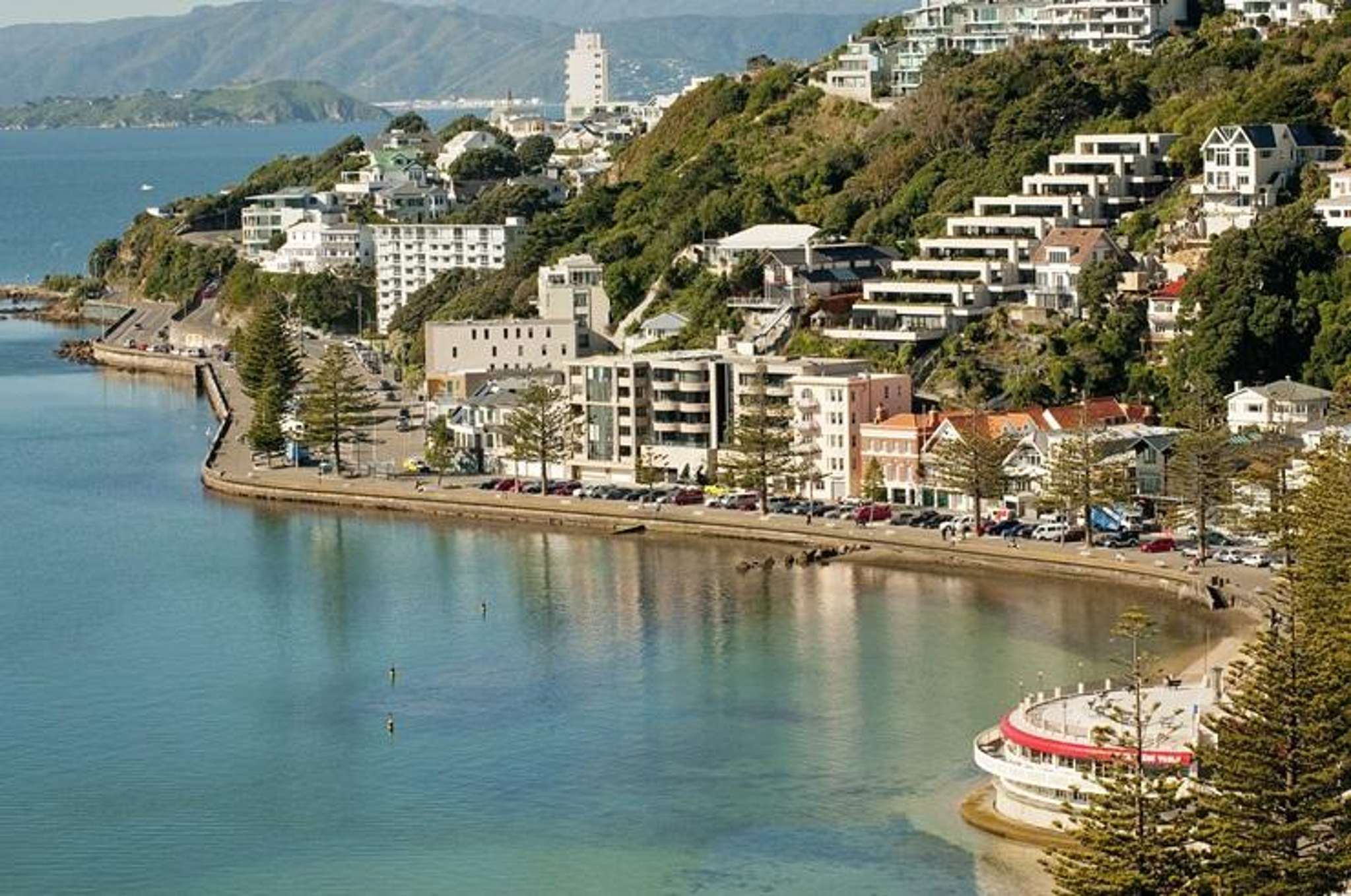
The 12 capital-city suburbs include several wealthy areas, including Oriental Bay, where the average property value is $185,000 below its February 2020 level. Most are continuing to suffer slump-related price declines.
Three of the six Auckland suburbs identified by the analysis – Auckland Central, Grafton and Eden Terrace – are apartment-heavy neighbourhoods and have never really recovered from the drop-off in investor demand post-Covid.
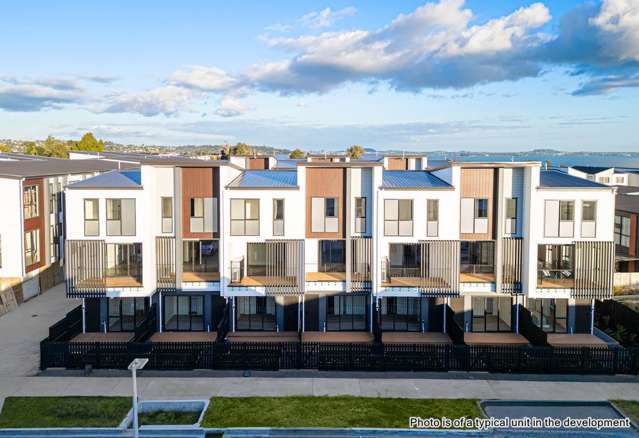
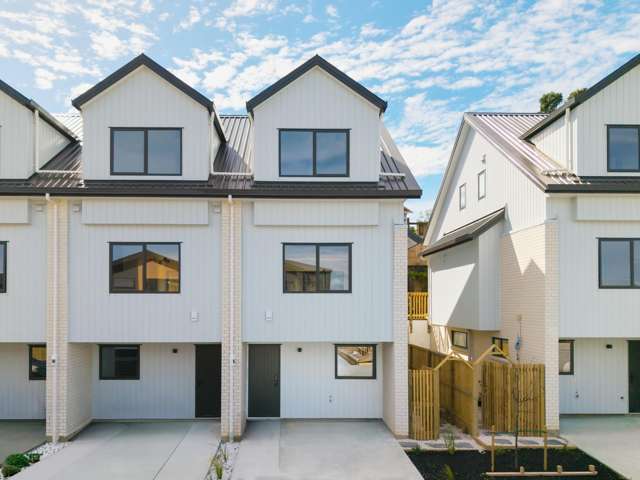
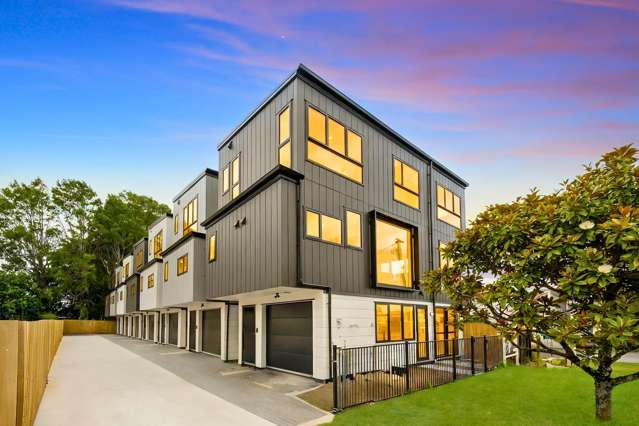
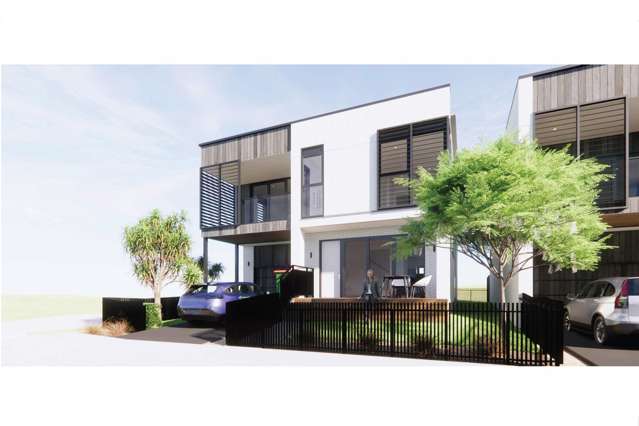
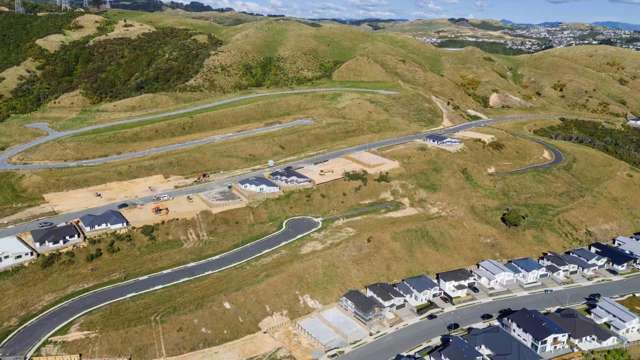
Another three – Totara Park, Point England and Te Atatu Peninsula – have seen values drop by as much as $300,000 over the past six years as a result of increased townhouse construction.
In 2020, there were around 200 homes in Totara Park, most of which were lifestyle blocks. Now there are 500 homes, with the new additions on smaller plots of land and typically cheaper in price.

The average property value in Auckland’s Grey Lynn is $145,000 cheaper than it was five years ago. Photo / Fiona Goodall
Prices in Appleby, Tasman, and in Peacocke, Hamilton, are also lower than they were six years ago. The former has, like Totara Park, seen a huge lift in housing stock, from 131 to 654, while the latter has been hit hard by the post-Covid price slump.
The research found another 84 suburbs, again mostly in Auckland and Wellington, where property values have risen by less than 10% in the last six years, and around 182 suburbs where homes are trading below the crazy boom prices that dominated throughout much of 2021 and early 2022.
Buyers may be surprised to learn that many of the Auckland suburbs on the list are popular inner-city neighbourhoods, which they may have thought were out of reach. The average property value in Grey Lynn is $145,000 cheaper than it was five years ago. In Ellerslie, it’s $141,000.
An increase in townhouse development in these suburbs has contributed to the price drops, but the analysis also shows a downward trend in the value of homes built before Covid.
The pre-Covid prices are a boon for buyer budgets, and could help more Kiwis into their first home or encourage moves up the ladder. However, the "savings" should be seen in context. Buyers won’t be enjoying the ultra-low interest rates that dominated in the late 2010s and early 2020s, so while deposit requirements have shrunk in some parts of the country, mortgage repayments haven’t.
The latest OneRoof-Valocity house price figures highlight weaknesses in the housing market and the pressure on values in some of the bigger cities and towns.
The nationwide average property value saw no growth over the last three months. Property values in Auckland, Nelson and Hawke’s Bay were down over the same period, although marginally so. Thirteen regions did enjoy lifts in their average property value, but the lifts were, in most cases, less than 1%.

OneRoof editor Owen Vaughan: "If you removed the Covid peak, nationwide house prices have essentially been flat these last five years." Photo / Fiona Goodall
Prices rose fastest in Southland (+2.5%) and Marlborough (+1.9%), with Southland’s average property value reaching a new peak of $582,000. Prices rose by 1.4% in the West Coast, 1.2% in Northland and 1% in the Bay of Plenty, although some of that good fortune may change once the effects of this summer’s extreme weather feed into the market.
Southland’s market has been buoyed by the farming boom and the relatively low price of property in the region. Affordability also appears to be the major driver of growth at a district level as well. Up by more than 3% over the quarter are Waitomo, Kawerau, Waitaki, Gore, Rotorua, and Southland district. All six have an average property value of less than $800,000, with the two biggest risers – Waitomo (+4.5%) and Kawerau (+4.2%) – boasting average property values of less than $500,000.
Dunedin was the country’s best-performing major metro for price growth, but its strong run appears to be coming to an end. In the three months to the end of January, the city’s average property value was up by 2.9% ($19,000) to $681,000. In the three months to the end of February, it was up by just 0.6%.
Tauranga and Wellington City were the only other major metros to see growth over the quarter, but similar to Dunedin, growth was marginal (+0.6% and +0.3% respectively).
The average property value in the country’s wealthiest district, Queenstown-Lakes, dropped by 0.7% to $2.12m, although that number is still $81,000 higher than it was a year ago.
Values in Christchurch and Hamilton dipped over the quarter by less than 1%, while drops of 1.1% in Manukau and Waitakere districts pulled down Auckland’s overall figure for the quarter.
The market in Auckland looks shakier when we extend the timeline. The city’s average property value of $1.25m is 3.5% below where it was in February 2025, 5.4% below where it was in February 2024 and 3% below where it was in February 2021.
The nationwide average property value of $961,000 is only 1.9% above its lowest point since the market turned in 2022 ($943,000 recorded in May 2023). If you removed the Covid peak, nationwide house prices have essentially been flat these last five years.
At a suburb level, the biggest quarterly increases were in Waverley, Dunedin (up by 8.1% to $818,000); Murupara, Whakatane (up by 7.3% to $221,000); and Kaitake, New Plymouth (up by 6.7% to $1.44m).
The biggest dollar gains over the same period were also in Kaitake and Waverly, where the big percentage jumps equated to $90,000 and $61,000, respectively. Also enjoying a big dollar bonus over the summer were homeowners in Waiheke Island’s Onetangi, where the average property was up by $61,000 to $2.01m.
Of the 926 suburbs with 20 or more settled sales in the last 12 months, 609 recorded property value growth over the quarter.
- Click here to find properties for sale