- Waiheke Island has surged in Auckland's top 20 most expensive streets, with eight streets featured.
- Nick Johnstone Drive on Waiheke doubled in value, reaching $9.48 million in 2025.
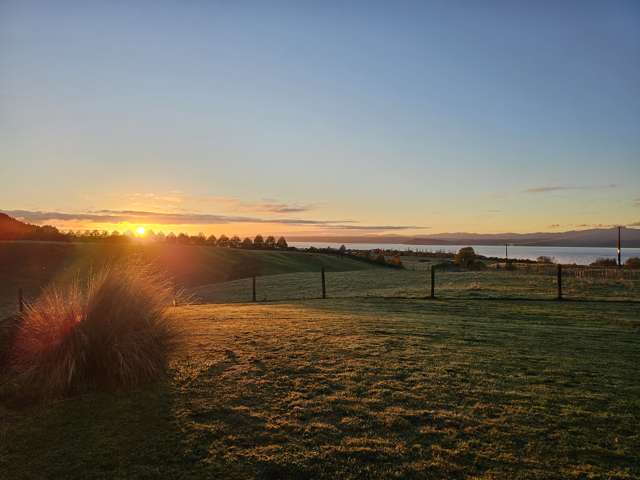
- Waiheke's appeal is driven by large properties, stunning views, and a post-Covid work-from-home trend.
Auckland’s most expensive streets have shuffled over the last 10 years, with nearly half the blue-chip urban and country addresses falling out of the OneRoof top 20, though agents report those streets remain as popular as ever.
Start your property search
Waiheke, dubbed by some as “the Hamptons” of Auckland, has shot up to take their place in 2025, with eight streets on the island now featuring, including number one and number three.
While changes in housing stock and taste may account for the drop-off in price growth in the city’s most expensive streets in Takapuna, Herne Bay and Remuera.
OneRoof’s data partner, Valocity, looked at the most expensive streets in Auckland in 2015 and also in 2025 to establish the top 20. Median values took into account sales in streets as well as the characteristics of properties and neighbourhoods.
Valocity senior research analyst Wayne Shum said one of the reasons Waiheke Island had “skyrocketed” was that it was one of the few places people could buy plenty of land and build “big, big” houses.
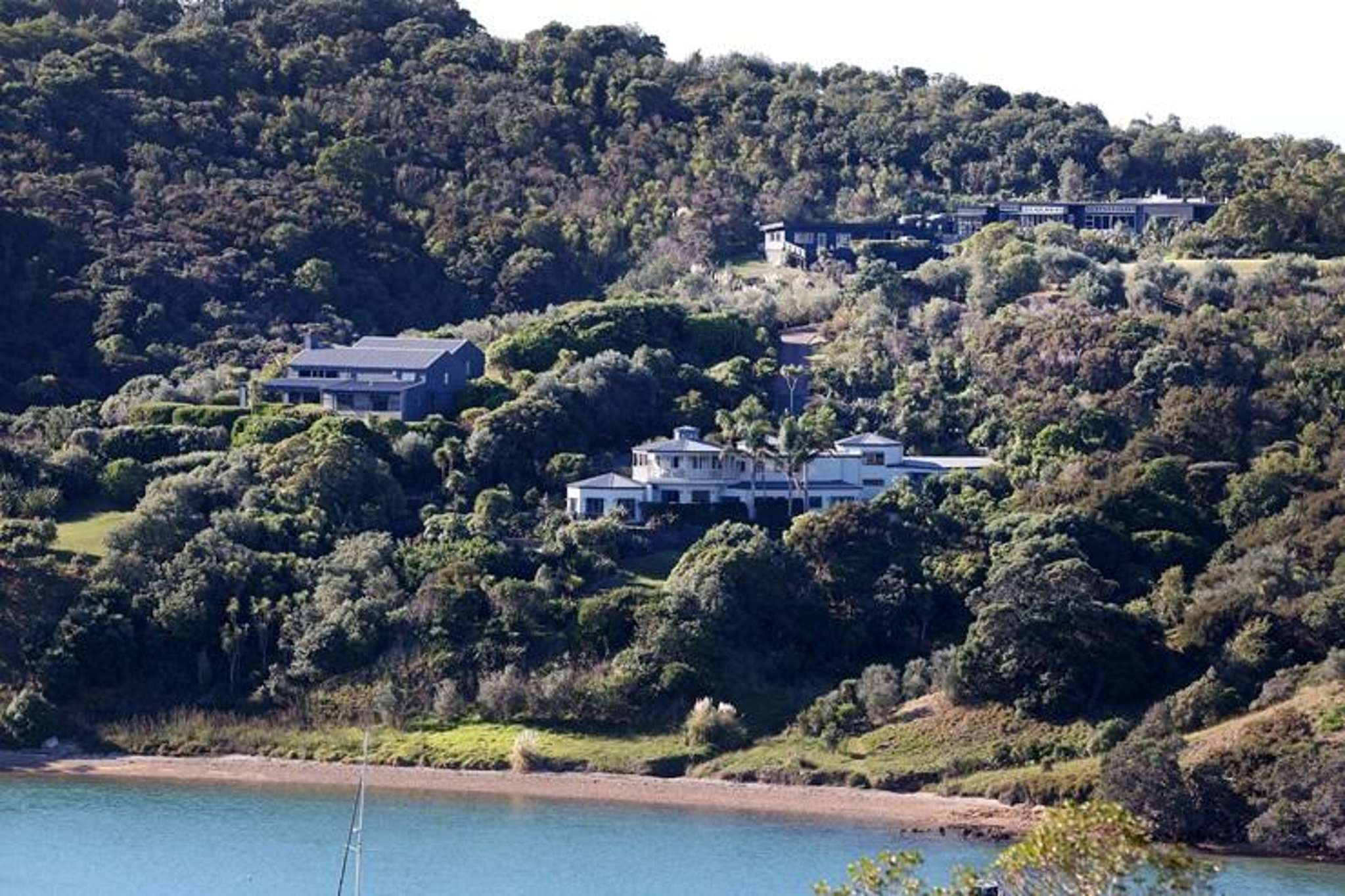
The number one street as of 2025 was Nick Johnstone Drive - a coastal headland on the island commanding stunning views - which more than doubled in median value in 10 years, from $4.53m in 2015 to $9.48m in 2025.
The road is characterised by large homes of the size and quality Aucklanders simply would not be able to be built in a street in inner-city Herne Bay or Ponsonby, Shum said.
“Obviously, on the island itself, you have some really valuable land. Once you build a large and quality house, you're obviously going to end up with a high-value property, whereas in some of the established streets in Auckland city, that's very hard to do.”
Discover more:
- How much money has your suburb made? Housing market's biggest winners and losers
- Top lawyer's foreign buyer warning: Offers of luxury cars and boats could end in trouble
- Brad Pitt's West Auckland crib has finally sold - but who's the buyer?
Property on the island has also benefited from the post-Covid drift to working from home. “Working from a Waiheke Island lifestyle block is much nicer than doing so in an inner-city suburb or an office,” Shum said
New Zealand Sotheby's International Realty agent and long-time Waiheke resident Chris Jones told OneRoof that homes on Waiheke's premier streets have always attracted the attention of wealthy buyers.
Jones, who has a four-bedroom, four-bathroom home for sale on Nick Johnstone Drive for nearly $9m, said: “They’re close to the vineyards, they’ve got beautiful, stunning views, and they are populated by substantial estates with easy access to the Matiatia ferry."
Some of the properties on Nick Johnstone Drive, Cable Bay Lane, Alan Murray Lane, and Delamore Drive, have views of the city, some look north-west up the coast to Rakino Island, with others face due north out to the Hauraki Gulf.
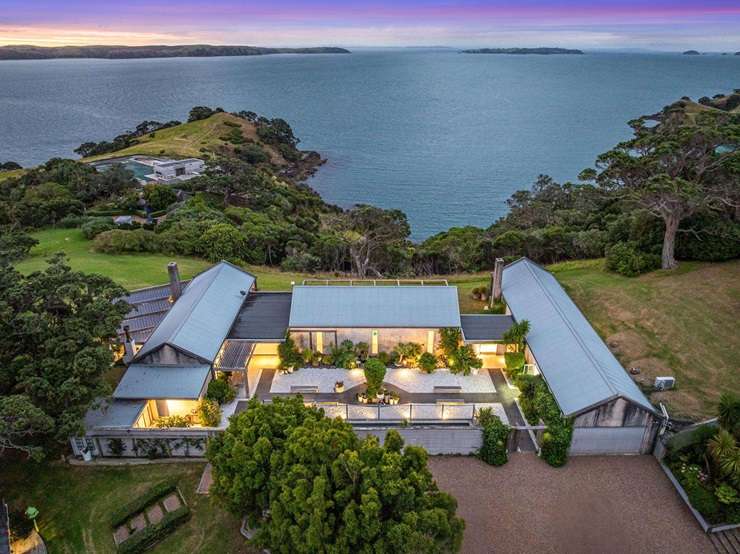
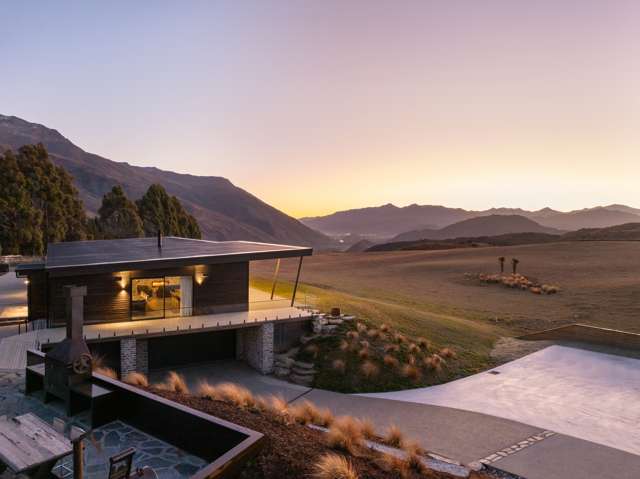
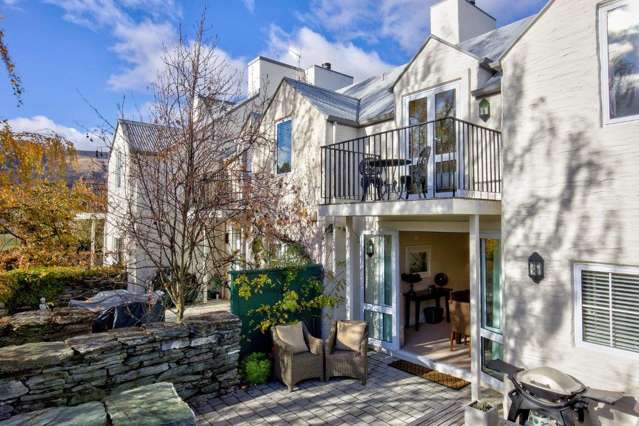
The Long House, at 155 Nick Johnstone Drive, Waiheke Island, has a $8.995m price tag. Photo / Supplied
“Those are always popular with people who are looking at that [price] level. That's not really new. It has always been the way for Waiheke.”
The Nick Johnstone Drive property Jones is selling is on a 1.5ha plot that includes a boutique olive grove, a greenhouse and a small orchard. People who can afford these estates often have other real estate holdings, Jones said.
“We're seeing some high-net-worth New Zealanders engage. We've had some expat engagement and some foreign buyer engagement," Jones said.
“It is a different clientele in the sense that it's people who are looking at lifestyle and maybe it's a situation where they're divesting other holdings and want to end up on Waiheke with something substantial.”
Properties at the upper level across the island had a scarcity factor and were often tightly-held: “There’s certainly not hundreds of them.”
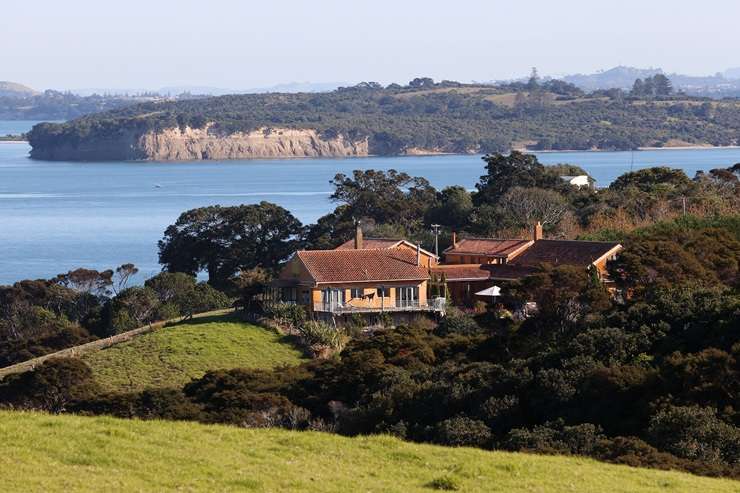
The proximity to vineyards, space and stunning views on Waiheke's top streets are big drawcards for wealthy buyers. Photo / Fiona Goodall
Matthew Smith, principal of Ray White Waiheke, said the island had become more cosmopolitan and offered a better lifestyle, with emerging restaurants and vineyards offering “a lot more bang for your buck” than it used to.
“There's just so much more on offer. I guess these people are choosing between Queenstown and Waiheke Island now more than any other rural parts of New Zealand,” he told OneRoof.
Sometimes people had a property in Queenstown and another on Waiheke, which gave them the southern lakes and the northern ocean. “In both areas, you get the vineyards and the great hospitality and the fantastic restaurants, so between them it makes the absolute package for the best of New Zealand.”
Some of the more expensive rural locations around Auckland, which are home to big estates, did not have what Waiheke offered, Smith said – but he also said properties on the island were selling for a lot less than they were a few years ago, and sometimes $2m or $3m less.
“Now is definitely the time to buy on Waiheke Island. I'm not going to mention actual figures, but I can say the actual sale figures versus the original expectations of our vendors are dramatically different.”
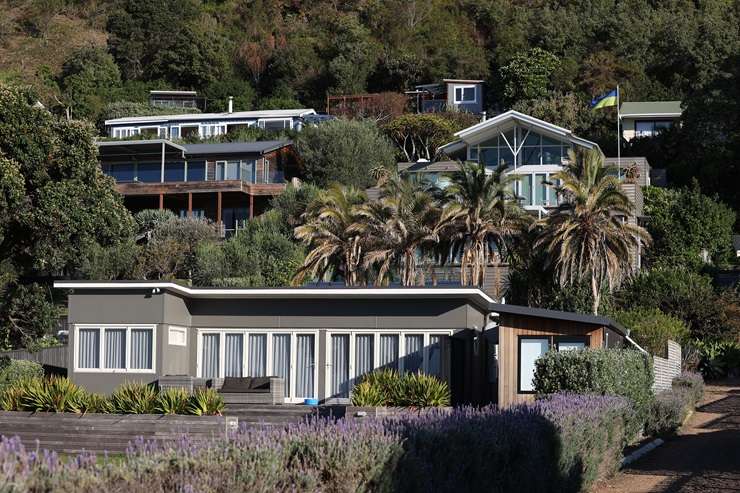
Baches on The Strand, on Waiheke's Onetangi Beach. Properties on the popular strip have jumped 200% in value in the last 10 years. Photo / Fiona Goodall
That was across the island, not just the top homes, he said, adding a house for sale on Nick Johnstone Drive with another agent was under contract for “a lot less” than the original expectations.
“Waiheke Island is luxury money, and luxury money is one of the tightest areas in the economy at the moment. People don't have a lot of luxury surplus money,” Smith said.
The island would bounce back as it was fast becoming one of the best places in the world to live, Smith said.
Some of the top central Auckland streets that have dropped out of the top 20 include Arney Crescent, in Remuera, and Karori Crescent, in Orakei, but Paul Sissons from New Zealand Sotheby's International Realty, who sells both pricey homes in Remuera and Orakei and country mansions in Karaka, says the numbers probably reflect the fact there are very few sales in those streets.

Homes on Arney Crescent and Arney Road in Auckland's Remuera, are tightly held, agents have told OneRoof. Photo / Fiona Goodall
“You’ve got people that maybe bought there seven, eight, 10 years ago, and they’re not moving.”
The streets were also small, so did not reflect the diversity of pricing along, for example, Victoria Avenue or Remuera Road, he said. “The median sales can get skewed very quickly by one big sale.”
For streets like Gold Flats Lane, in Coatesville, which was the third most expensive street in 2015 but dropped out of the top 20 in 2025, Sissons said the same rules applied: people who bought there 10 years ago, spending $8m or $12m, were not selling, although one or two big sales were on the cards.
“A lot of those streets that were around 10 years ago, the people are pretty happy living there,” he said.
Sissons said country estates were as popular as ever in suburbs like Coatesville, Karaka and Clevedon. He has one such property for sale in Karaka, which is on the market for the first time in 33 years.
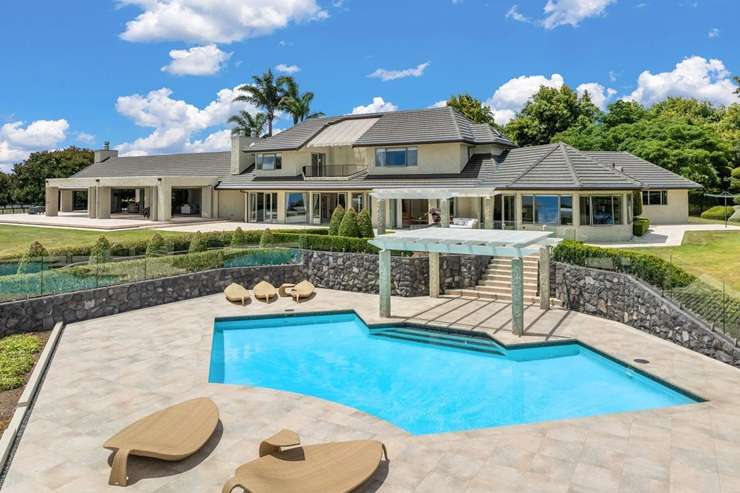
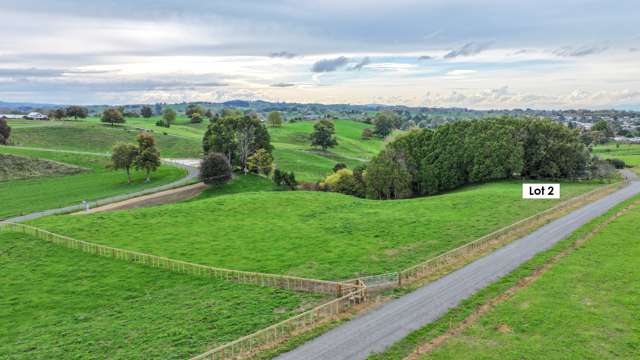
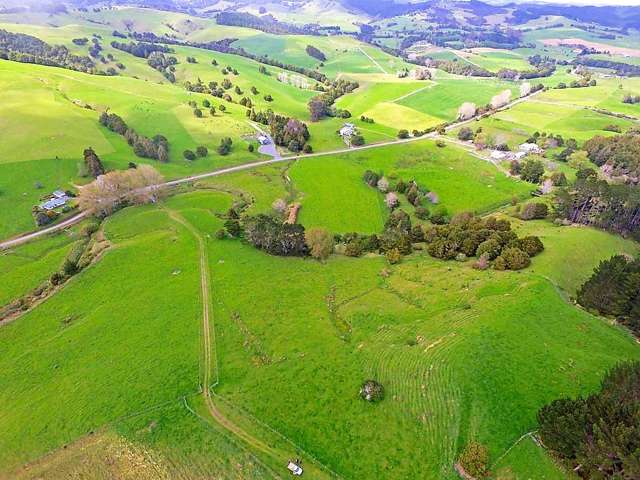
45D Arana Drive, Karaka, is on the market for the first time in 33 years. Photo / Supplied
“These guys bought the land when it was first cut into six 10-acre blocks and it was covered in grass, cows, and gorse,” Sissons said.
The property now has a big home on it with a swimming pool, tennis court and a full-size international horse arena with paddocks.
Another estate he is selling, 184 North Road, in Clevedon, is 25ha in size and boasts a six-bedroom luxury manor. Both properties were at the pinnacle of the market.
“You don't run open homes. You're not going to have 500 people turning up and putting their shoes at the front door - well, you would if it was an open home, then every tourist in the world would come and have a look.
“There are not many people who have that amount of money to spend on a lifestyle block. You might be dealing with two or three at the most, and they're qualified buyers, and they've got a bit of choice.”
Sotheby's agent Ross Hawkins, who also specialises in high-end Auckland properties, said zoning changes made in the last 10 years had allowed cheaper properties to be built in blue-chip areas.
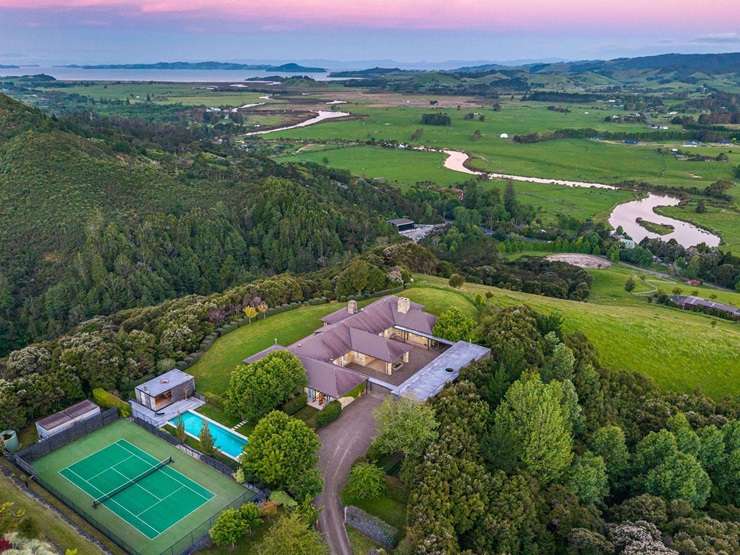
Up for grabs is the 25ha estate at 184 North Road, in Clevedon. Photo / Supplied
“It's just wrong. It needs to be thought about by proper town planners, not just some blanket zone that goes ‘we're going to do that street and that street and that street.”
Karori Crescent in Orakei, for example, had seen a developer buy two or three sections and put up townhouses that brought down the median value for the street, he said. “They need to be a lot more strategic and a lot more informed about what they're doing before a zone comes into place. It's very concerning.”
Hawkins said he had recently sold a Parnell property to a neighbour who was trying to protect himself against zoning. “If that silly zoning they're proposing comes in, he could have a 50-metre building on his boundary, so now he's bought the neighbouring property. If it comes in, it's his decision, not the council’s.”
Front-row homes on Karori Crescent had the best views in Auckland and were absolutely worth their money, but no one in the area was happy about the infill housing at the corner, Hawkins said.
Hawkins thought the move to Waiheke Island over the last 10 years was the result of shifting demographics. “There’s definitely a lot of value in coastal and lifestyle properties gaining momentum as the baby boomers come through into the aging population, because they’ve done the city," he said.
“They’ve had the beautiful homes in the city, but they don’t want to be next door to everybody now; they want to be away from it all.”
The blue-chip streets on Waiheke always had amazing value, Hawkins said, but he noted that people were also leaving the island.
Those were people who had gone there for the isolation, but parts of the island were more like Auckland city suburbs. That development would play into the hands of other Gulf locations, like Great Barrier, Rakino and Kawau islands, he said.
“People might be looking for more isolated places, so it will probably help those fringe-type islands, which have always been reasonably priced and will probably gain momentum and value.”
- Click here to find properties for sale