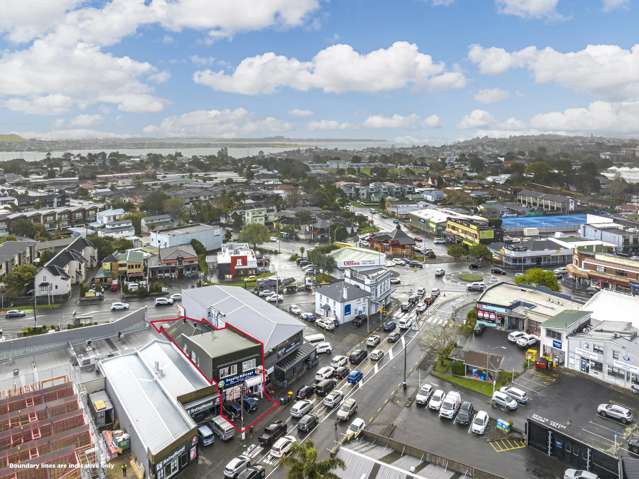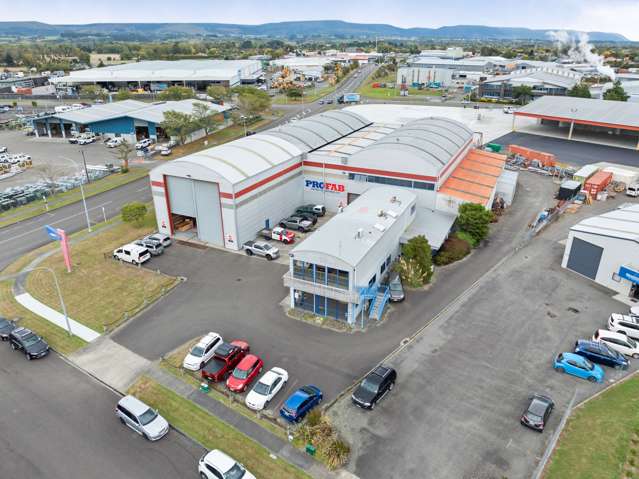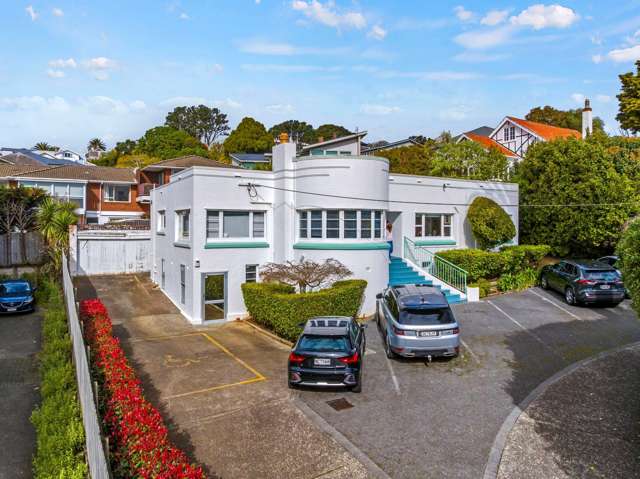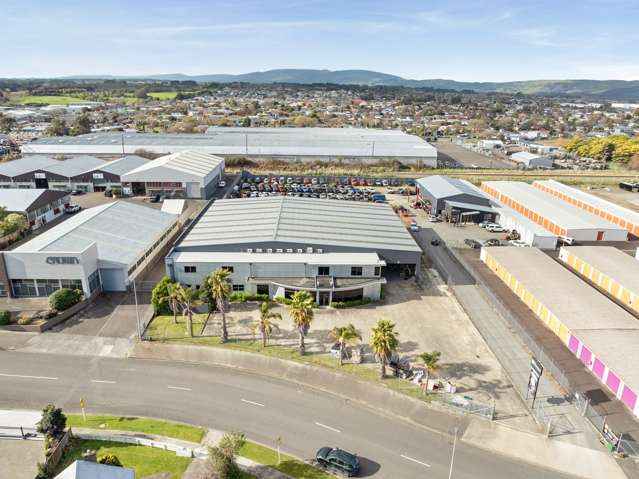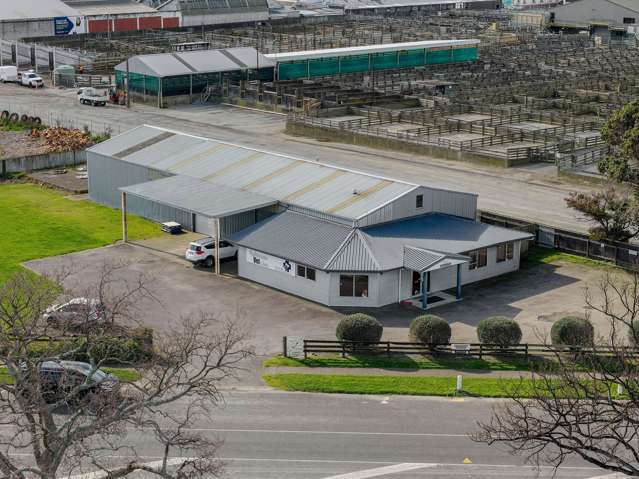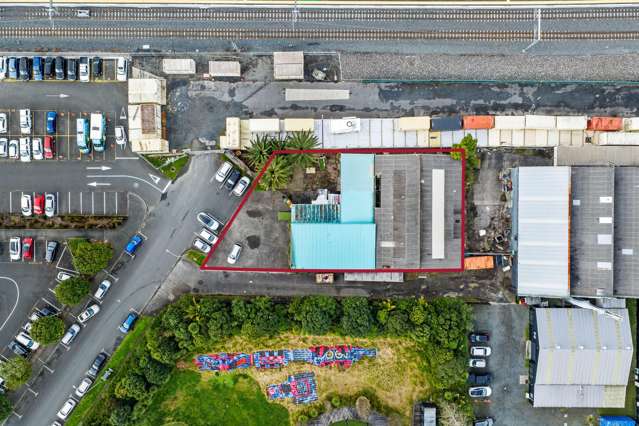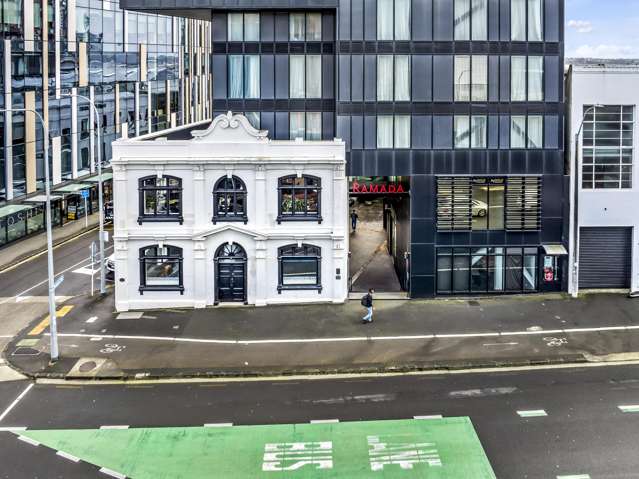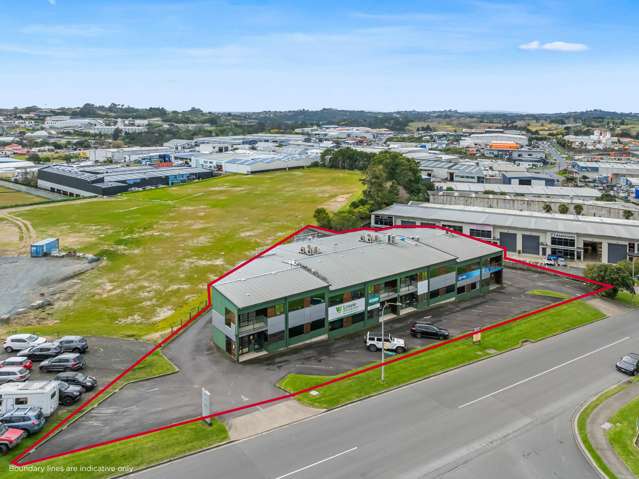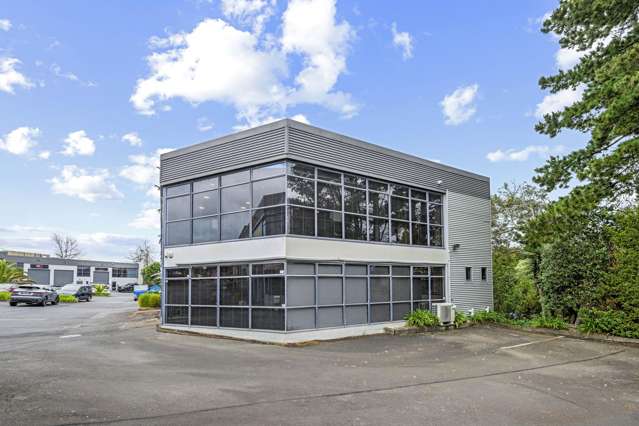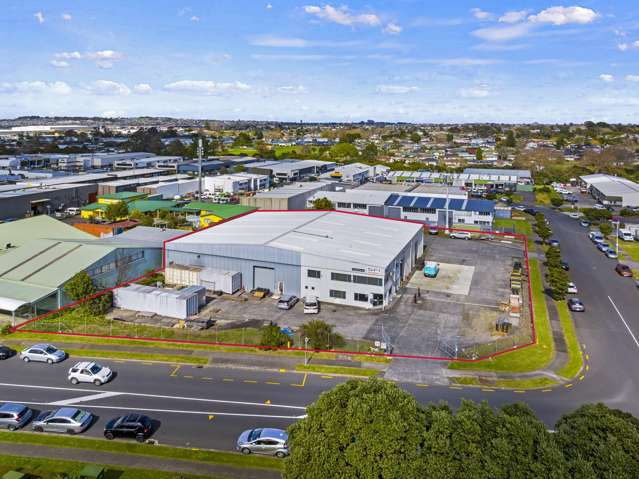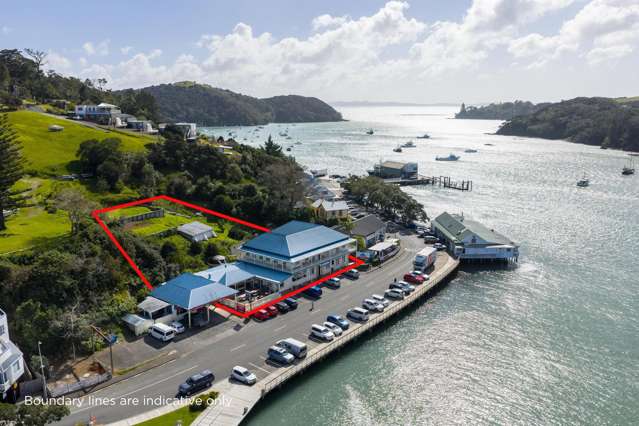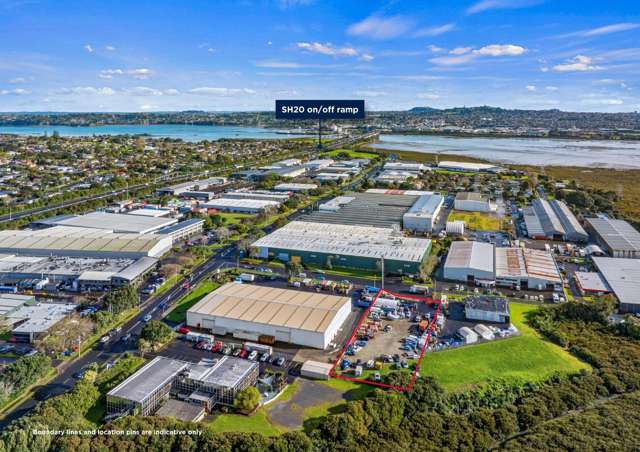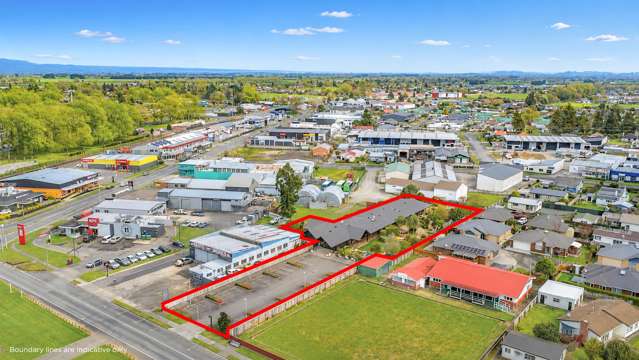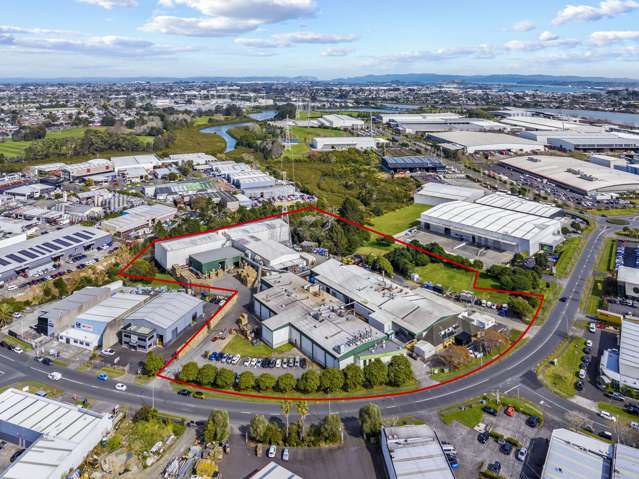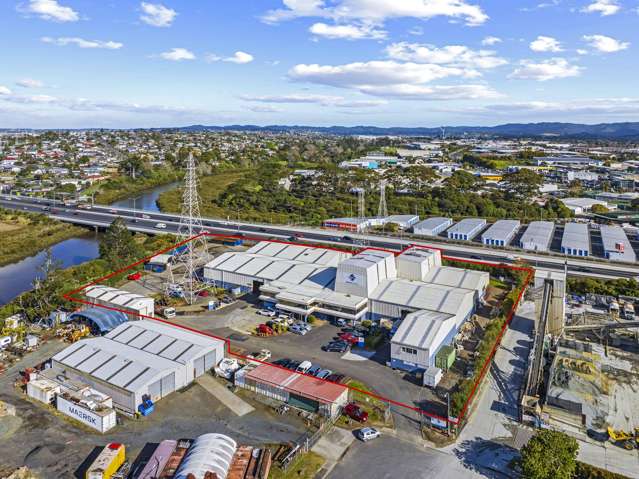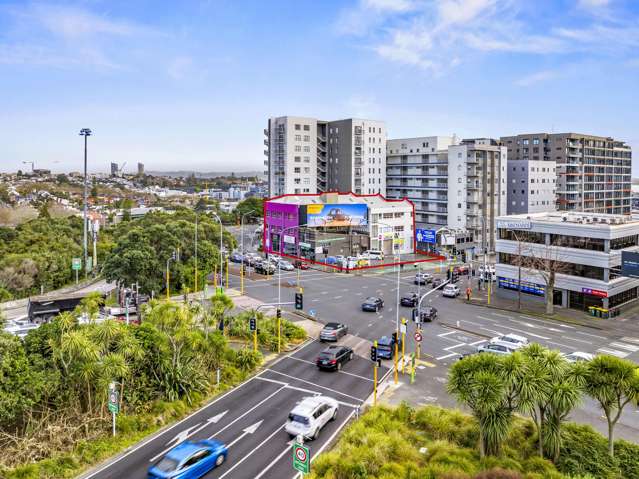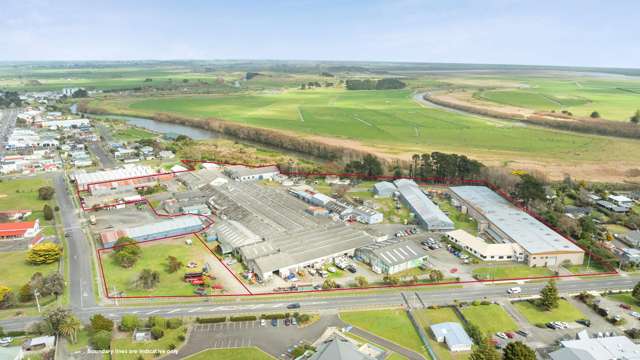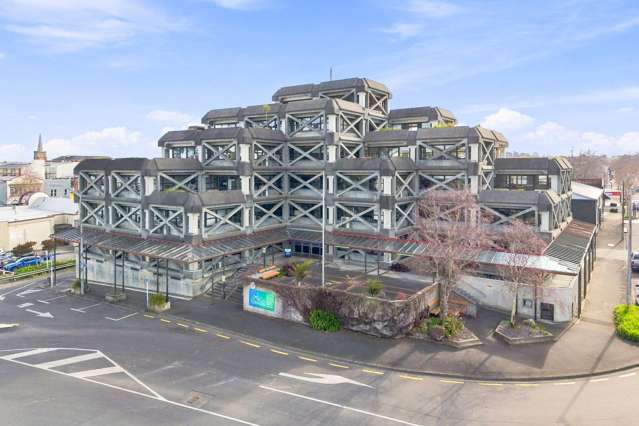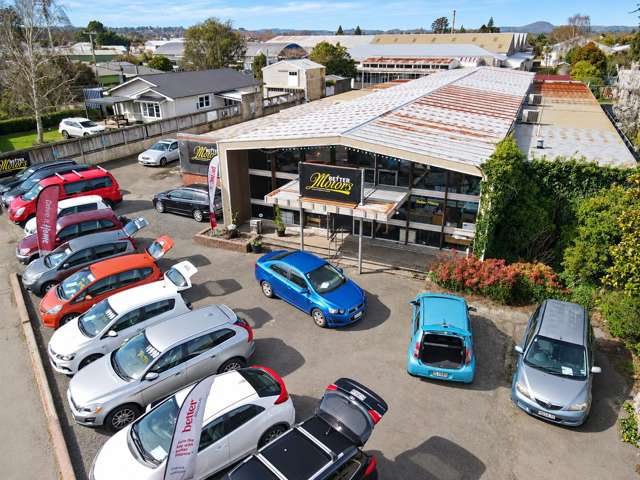

Auckland’s commercial property market could be the big winner if the Government’s proposed changes to seismic rules for buildings are made into law.
On Monday this week, the Government confirmed the outcomes of its review into earthquake-prone buildings and seismic risk management.
The proposed changes, announced by Building and Construction Minister Chris Penk, include the disestablishment of the New Building Standard (NBS) system that will be replaced by the earthquake-prone building (EPB) system. The EPB will focus on buildings that pose genuine risk to human life in medium and high seismic zones.
Buildings that fall into this category include concrete buildings of three storeys or more and those constructed with unreinforced masonry.
Start your property search
Seismic zones will be updated and all earthquake-prone buildings in low seismic zones – Auckland, Northland, and the Chatham Islands – will have their current status removed.
There are about 5,800 earthquake-prone buildings across the country on the existing register. The changes would remove around 55 per cent (approximately 2,900) of current earthquake-prone buildings. About 1,440 will face more cost-effective remediation requirements and 840 will require no work at all.
The EPB system changes will be enacted through the Building (Earthquake-prone Building System Reform) Amendment Bill that is set to go through the Select Committee process and will include public consultation. The Government has signalled its intention to pass it into law before the 2026 election.
Labour’s leader Chris Hipkins expressed broad support for the changes but wants to see the advice provided to the Government on the decision to remove Auckland, Northland, and the Chatham Islands from the system before passing judgement.
David Burley, Auckland Director of Investment Sales at Colliers, says if the Bill is passed into law, the removal of Auckland from the EPB system will create opportunities for landlords and building owners across the city.
“There will be considerable investment interest among prospective buyers and we know there will be sizeable drops in due diligence costs that will be attractive for investors,” Burley says.
“A significant barrier that could be removed is around financing as investors have struggled to secure capital to purchase properties that were not assessed at 67 per cent or above of the NBS system.
“Speaking with clients this week, they have expressed enthusiasm about the proposed changes and believe they could drive greater activity and provide more liquidity to the commercial property market in Auckland.”
Rob Bird, National Director of Office Leasing at Colliers, says one specific area of the market that could benefit from these proposed changes is the B-grade office sector.
“Vacancy rates have risen to approximately 21 per cent for B-grade office space in Auckland CBD with tenants searching for a quality premises and landlords being hamstrung by the high cost of remedial works, which has muted investment in these assets,” Bird says.
Hamish Fitchett, National Director of Research & Economics at Colliers, says the potential removal of high remediation costs that were hanging over landlords with lowly rated buildings under the NBS regime could unlock new investment opportunities such as enhanced fit-outs.
“The Capital Goods Price Index clearly shows these higher costs related to NBS for commercial property. In the 25 years prior to the NBS, the cost of constructing new non-residential buildings grew on average by 2 per cent annually. In the nearly 10 years since, this has increased dramatically to 5.2 per cent,” Fitchett says.
“Less stringent requirements for new builds in areas of the country with low seismic risk will lower the hurdle rate for commercial property suppliers and provide a much-needed boost to the construction industry. But while seismic requirements become voluntary, insurance and lending policies remain influential for getting projects off the ground.
“Building owners may also be able to further benefit from the Investment Boost policy that was announced in this year’s Budget that lets businesses claim a 20 per cent deduction on new assets, including plant and equipment.”
- Supplied by Colliers