- The Coromandel Peninsula features two distinct coasts: the pristine east with beaches and the scenic west with fishing and heritage.
- Shaun Paterson highlights the east’s premium real estate and holiday appeal, contrasting with the west’s fishing and permanent residents.
- Property prices are significantly higher on the east coast, with a Whangamatā property selling for $8.5m.
The Coromandel Peninsula is a tale of two coasts.
Start your property search
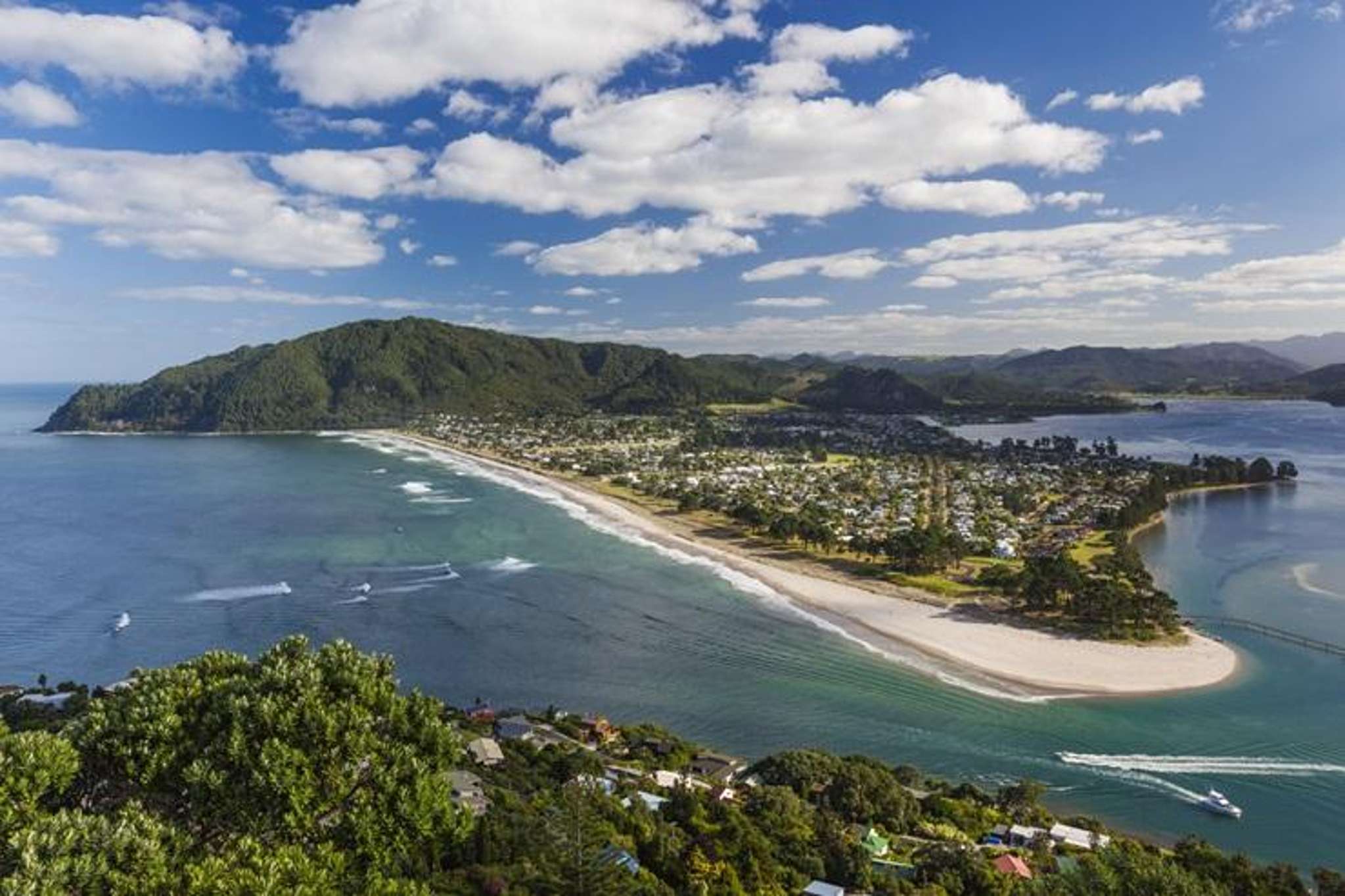
On the east coast, there are pristine white sand beaches, expensive real estate, and glamorous holiday hotspots.
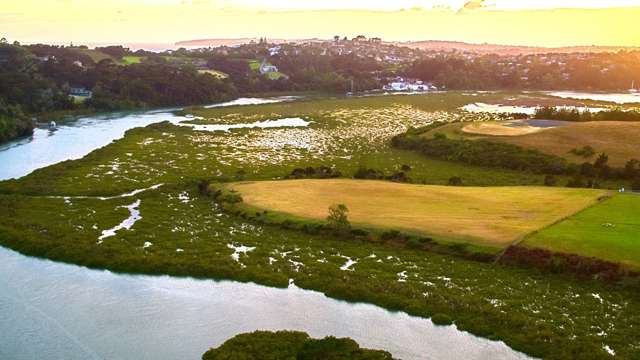
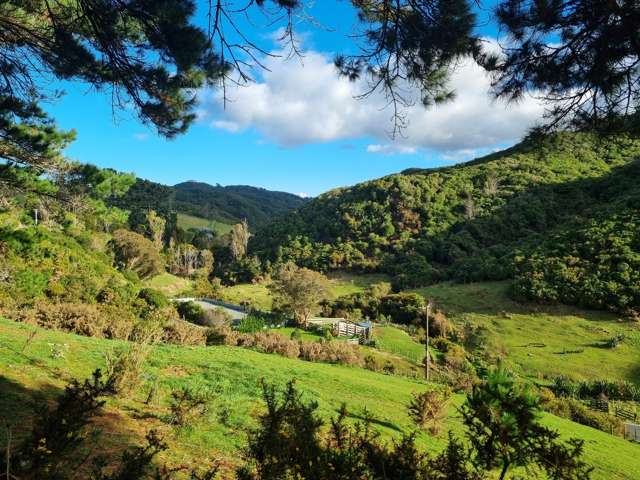
And on the west you have the scenic Pohutukawa Drive, goldmining heritage, fishing, and stunning bays with views across the Hauraki Golf and Firth of Thames.
So, which is best, and more popular?
It comes down to personal preference, according to Bayleys Coromandel director and general manager Shaun Paterson. “They are very different markets. One’s more estuary-like and one’s golden sand beaches,” he told OneRoof.
“People either love the west coast or they love the east coast.”
The Coromandel Peninsula – located southeast of Auckland and northeast of Hamilton – starts at Thames and Waīhī and tracks north up two coastlines, to Fletcher Bay in the east and Port Jackson in the west, which is about as far north as Mahurangi, a 45-minute drive north of Auckland.
From Thames, the road meanders up the west coast under the red pohutukawa tree canopies and passing through the bays of Ngārimu and Thornton, and the villages of Te Puru, Waiomu, Ruamahanga, Tapu and Te Mata, all nestled on the still water of the Firth of Thames.
From there, the road cuts across to Coromandel Town and Wyuna Bay, which offers stunning vistas across to Waiheke Island.
Discover more:
- Hollywood stars hot for 'Cold War bolthole' and the NDAs are flying
- Couple quit trophy bach after discovering love of wake-surfing
- Tiny town where houses cost less than $200K and everyone is welcome
Almost directly opposite, over a 30-minute windy mountain road to the east, is the pristine white sand, north-facing Matarangi beach, or Whangapoua if you veer left.
North from there, over a gravel road, is Kennedy Bay and further north, off the beaten track, are Tuateawa and Waikawau.
Across from Matarangi, is quiet Kūaotunu, Otama Beach and Opito Bay.
Back down the east coast a plethora of beaches and beach towns await, including Wharekaho, Whitianga, Cooks Beach, Ferry Landing, Hahei, Cathedral Cove, Hot Water Beach, Tairua, Pauanui, Opoutere, Onemana, Whangamatā, and Whiritoa.
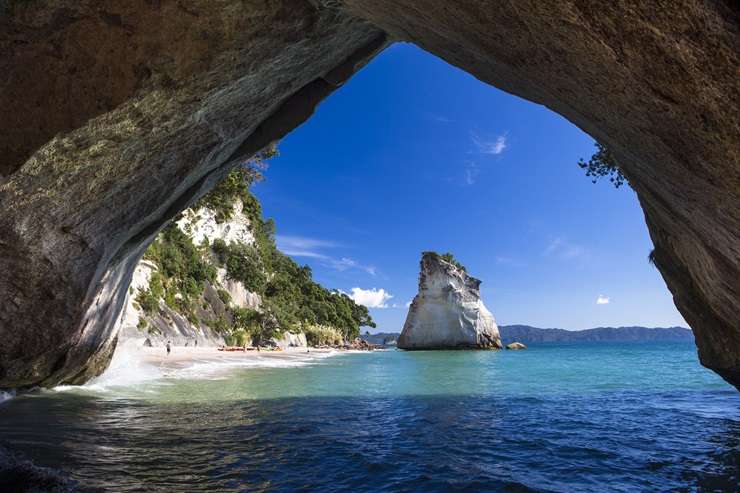
Te Whanganui-o-Hei (Cathedral Cove), between Whitianga and Hahei is one of the country’s most recognisable landmarks. Photo / Getty Images
From a real estate perspective, there’s a big difference between the two coasts, Paterson said.
“On the Thames [west] coast, your target market is really driven by fishing or people who are permanent or want to be closer to the city,” he said.
“The fishing on the Coromandel side and the protection of not having so much open ocean is phenomenal, so you get a lot of people who are keen on their fishing who want to be on the west coast.
“Whereas the east coast is your typical Kiwi-Coromandel dream of golden sand beaches and islands, and yes, fishing and diving, but a different kind.”
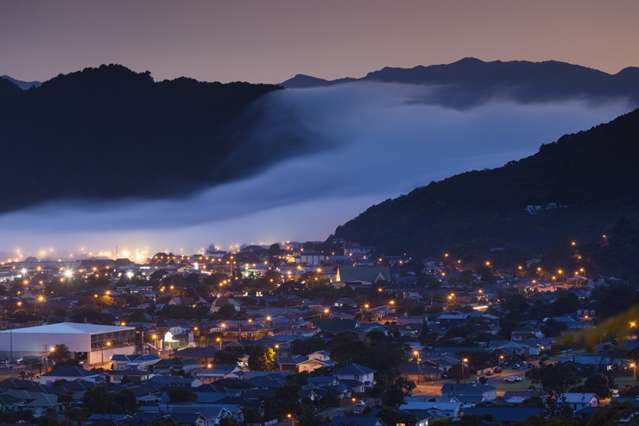
Paterson said Thames was the gateway to the western side of the peninsula and attracted permanent residents, including retirees, families and businesspeople.
At “Coro-town” as the locals have dubbed it, an alternative low-key lifestyle, history and heritage, and fishing are the major drawcards, Paterson said, as well as quaint holiday baches and secluded bays.
“On the other side, you’ve got probably more of the upmarket holiday beach resort style of places,” he said.
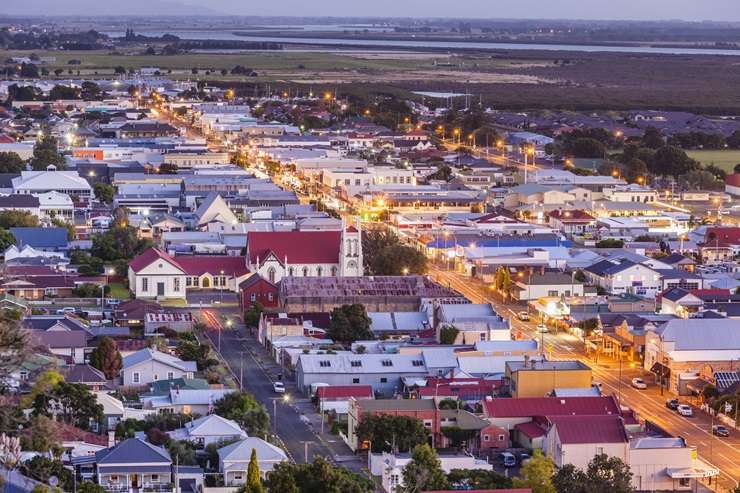
Thames is seen as the gateway to the Coromandel’s west coast experience. Photo / Getty Images
“The east coast has grown off the back of it being led by beach holidays.”
The east’s main towns are Whangamatā, home to some of the most exclusive and expensive beachfront real estate, Tairua – a short ferry ride to Pauanui – and Whitianga, which has more than 6000 permanent residents swelling to about 18,000 in summer.
The east offers shopping, a café culture, tourist attractions, boating, diving, golfing and surfing, as well as bar hopping and even concerts.
“Whangamatā and Whitianga have grown to be little metropolises with good amenity.”
When it comes to buying property on the peninsula, Paterson said buyers looked for locations that suited their needs.
Thames has one of Waikato’s four outlying hospitals, making it attractive to anyone needing to be close to healthcare.
On the east side, Paterson said, there’s an equal number of relocation sales, where newcomers were looking for a work-lifestyle balance away from fast-paced cities.
“Relocating to live the Coromandel dream. We’ve had an influx, ever since the [Covid] pandemic, of people wanting to come down and live here and enjoy everything the lifestyle has to offer.
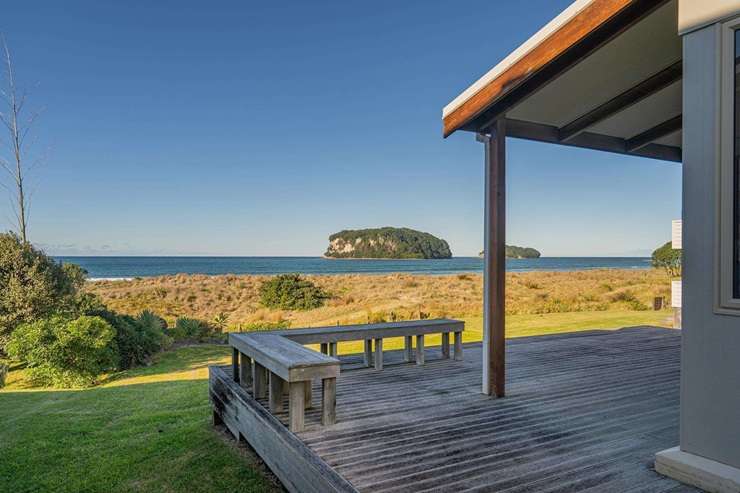
A waterfront bach on Beverley Terrace, in Whangamatā, sold under the hammer for $8.5m in September. Photo / Supplied
“And you’ve still got a big chunk of holidaymakers who are buying holiday homes at all of the beach resorts.”
In 2024, Bayleys Coromandel tracked where buyers were moving from and found 74% came from outside the area.
A huge number of buyers have relocated from the Bay of Plenty, Paterson said. “The narrative is always the same. They move to Tauranga or the Mount [Maunganui] 20 years ago to get away from Auckland traffic, and now they’re moving up here for the same reason.
“And in the same way here we’ll see buyers in the main centres move further up – we’ve still got beautiful, undeveloped beaches right up to the top of the peninsula.”
He said there was a range of people buying property on the peninsula, attracted by work in the trades thanks to the growth, as well as the lifestyle, and holiday opportunities.
What a buyer might pay depends on where they buy, and the east coast attracted a premium, Paterson said.
“It’s fair to say a lot of the beautiful Coromandel imagery you see and the beautiful golden sand beaches that people associate the Coromandel with, they sit on the east coast.
“We call the Thames (west) coast the Pohutukawa coast because it’s one of the most beautiful drives in the country, in my opinion, when the ‘Pohuts’ are out over summer, but it’s very different to what the east coast is.
“So all of the affluent money you hear about coming into the Coromandel is predominantly targeted on the east coast.”
It meant a significant difference in price between the two coasts, Paterson said, with the east coast much higher.
In September, Bayleys sold a beachfront property in Whangamatā for a record-breaking $8.5 million.
A breakdown in median price points showed the marked differences between the two coasts. On the east, average values at Whangamatā and Pauanui were $1.13m, Tairua $1.04m and Whitianga $850,000.
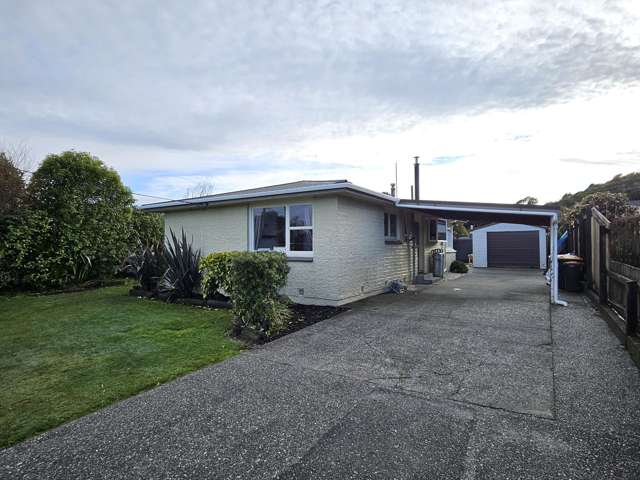
On the west side, Thames sat at $660,000 and Coromandel Town $641,000.
- Click here to find more properties for sale in the Coromandel