- Four high-value suburbs saw price growth over 10% in the past year.
- Moana, Omaha, Waiheke Island, and Ahuriri led with significant increases, driven by strong sales.
- Wellington City was the worst-performing metro, with property values down 3.6% to $938,000.
Four high-value suburbs have emerged as this year's real estate powerhouses, enjoying price growth of more than 10% over the last 12 months.
Start your property search
The latest OneRoof-Valocity house price figures highlight clear winners and losers at the end of an underwhelming year for many in the market.
Even amid tumbling interest rates - the OCR dropped from 4.25% to 2.25% - the nationwide average property value barely changed year on year. Auckland and Wellington regions weren't so lucky, with property values in both down by more than $20,000.
The star performers, at a regional level, were Southland (+4.6% annually), West Coast (+3.2%) and Otago (+2.6%), while Queenstown-Lakes and Christchurch were the country's hottest metro markets, with value growth of 4% and 2.8%, respectively.
The figures showed that the average property value in Queenstown-Lakes and Christchurch reached new highs at the end of November, with both markets showing no signs of slowing, as the pace of value growth over the last three months exceeded 2%.
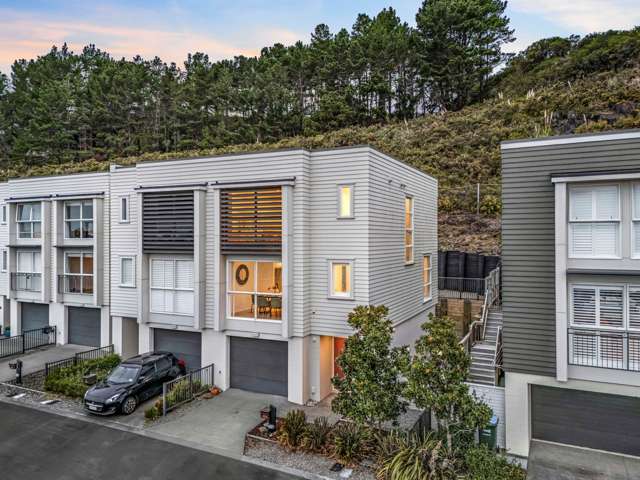
Wellington City was the worst-performing major metro of the last 12 months. Its current average property value of $938,000 is 3.6% ($35,000) lower than it was in December 2024 and the lowest point since Covid struck.
Also struggling in 2025 were property values in Hamilton (-2.9% annually) and Dunedin (-2.6%), and Auckland's Manukau district (also down 2.6%).
Of the 928 suburbs with 20 or more settled sales in the 12 months, 489 enjoyed lifting values. Fifty-seven of those were up by more than 5% year on year, and four were up by more than 10%.
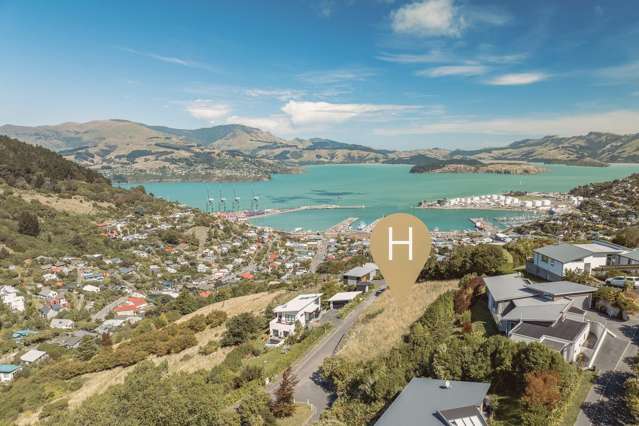
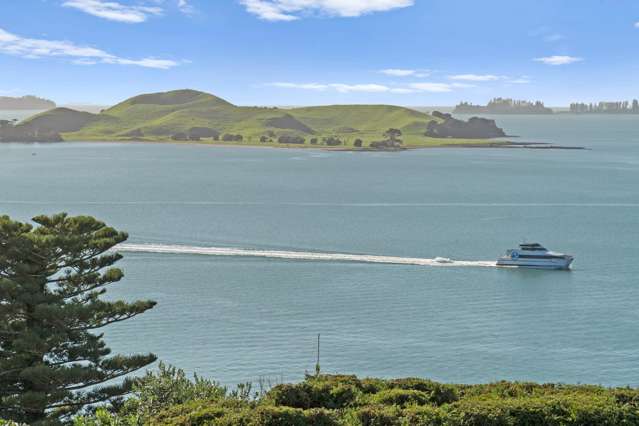
The biggest house price leaps were in Moana (+14%), Omaha (+12.7%), Waiheke Island (+11.1%) and Ahuriri (+11%). All four are high-value suburbs in their respective districts, and three are favoured destinations for wealthy buyers on the hunt for holiday homes.
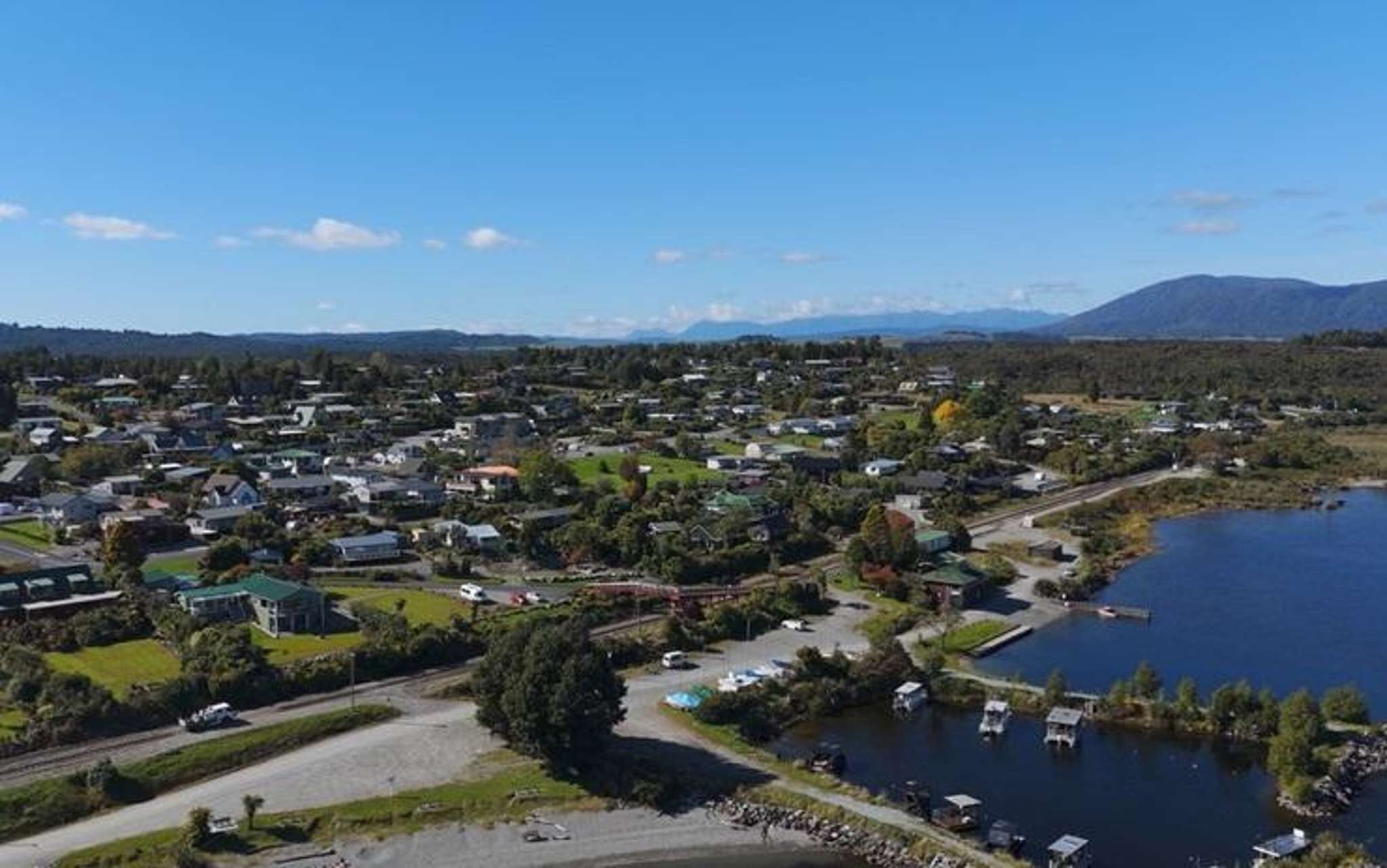
Lakeside Moana, in Grey, is the West Coast's summer hot spot, and houses there have benefited from a string of strong sales. Its average property value hit $840,000 at the end of November, and 14% growth over the year equates to an extra $100,000. It is also one of a handful of West Coast suburbs where house prices have almost doubled in the space of five years.
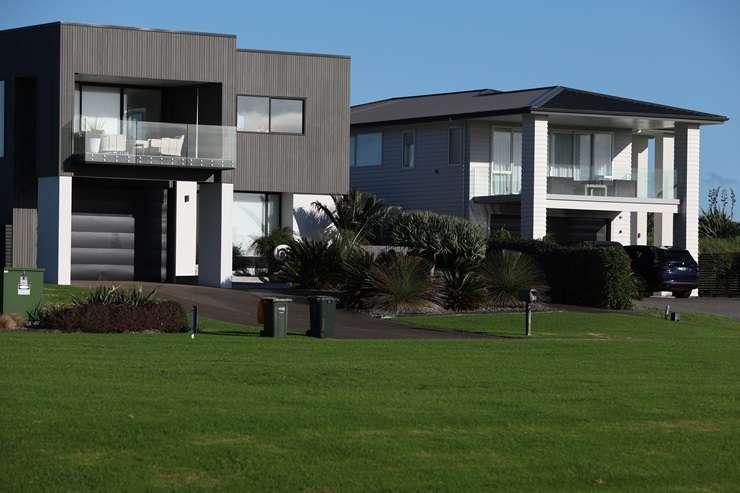
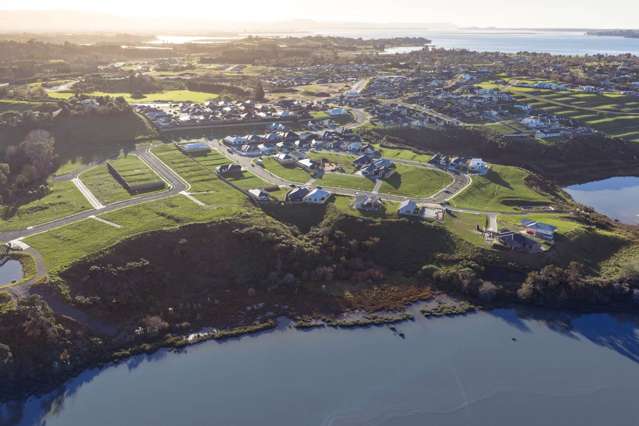
Average house prices in the wealthy enclave of Omaha have jumped nearly 13% ($354,000) to a new high of $3.133m in the last 12 months. Photo / Fiona Goodall

Property values in Ahuriri, in Napier, are 11% higher now than a year ago. Photo / Warren Buckland
Omaha and Waiheke Island are two of New Zealand's wealthiest suburbs, and the average property value in both hit new highs in 2025, climbing more than $350,000 to $3.6m and $3.1m, respectively.
Omaha's beach enclave is home to rich-listers and celebrities, and house prices for some of the best-located and best-looking baches will easily exceed $5m. OneRoof reported in October that a luxury spread on Kutai Lane broke the town's house price record with a sale of over $10m.
Waiheke Island is an unusual suburb. It doesn't refer to the whole of the island and excludes the likes of Oneroa, Palm Beach, and Onetangi. Its boundaries take in the top lodges and lifestyle estates in Church Bay, on the far east of the island, and Cowes Bay, on the far west, as well as the ultra-expensive builds at the emerging Wawata Estate, between Onetangi and Palm Beach.
The average property value of the luxury estates and houses within the suburb jumped $360,000 in the last 12 months ago - the biggest dollar leap of the year - and $1m above where it was at the start of 2020, just before Covid struck.
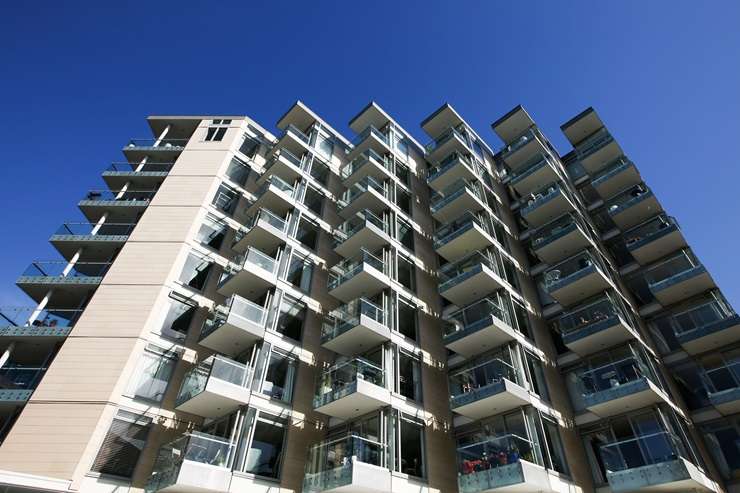
Apartments in central Wellington. The city's average property value continues to slide, dropping 3.6% year-on-year. Photo / Getty Images
(House prices in four more high-value suburbs had similar post-Covid leaps. Arrowtown's average property value rose by $1.499m to $3.031m, while neighbouring Lake Hayes and Kelvin Heights were up $1.329m and $1.191m, respectively. Rounding out the $1m jump club was Omaha, which started 2020 with an average property value of $1.76m.)
The last big winner of 2025 is the blue-chip Napier suburb of Ahuriri. Its average property value rose 11% ($113,000) to $1.142m on the back of strong sales activity in the first half of the year and a spring surge.
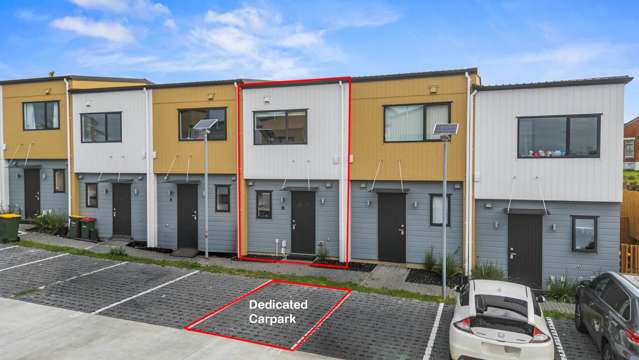
The big suburb losers were Point England, in Auckland; Peacocke, in Hamilton; Naenae, in Lower Hutt; Wellington Central, in Wellington; and Newmarket, in Auckland. Property values in all five dropped between 9% and 10%, the result of downward pressure on low-grade investor stock in some cases and an oversupply of new-build townhouses in others.
Peacocke also suffered one of the year's steepest dollar declines, with homeowners in the suburb now $108,000 worse off than they were a year ago. Also out of pocket were homeowners in the high-end Auckland suburbs of Whitford (down $118,000), Glendowie (down $102,000), and Grey Lynn (down $100,000).
The other big losers of the year are New Zealand housing market forecasts. This time last year, economists at the big banks were predicting house price rises of between 5% and 10% in 2025, citing falling interest rates and expectations of a strong economic revival.
These were hastily revised mid-year, with the watered-down forecasts responding to a lacklustre economy, rising unemployment and a sluggish housing market carrying the weight of unwanted listings. Current house price forecasts for 2026 are more subdued, sitting in the mid-4% growth range.
- Click here to find properties for sale