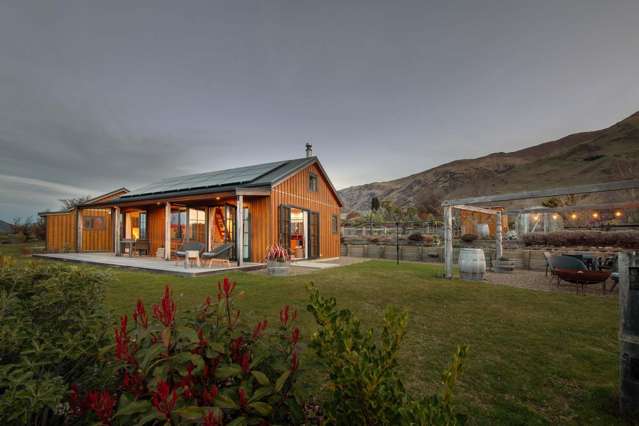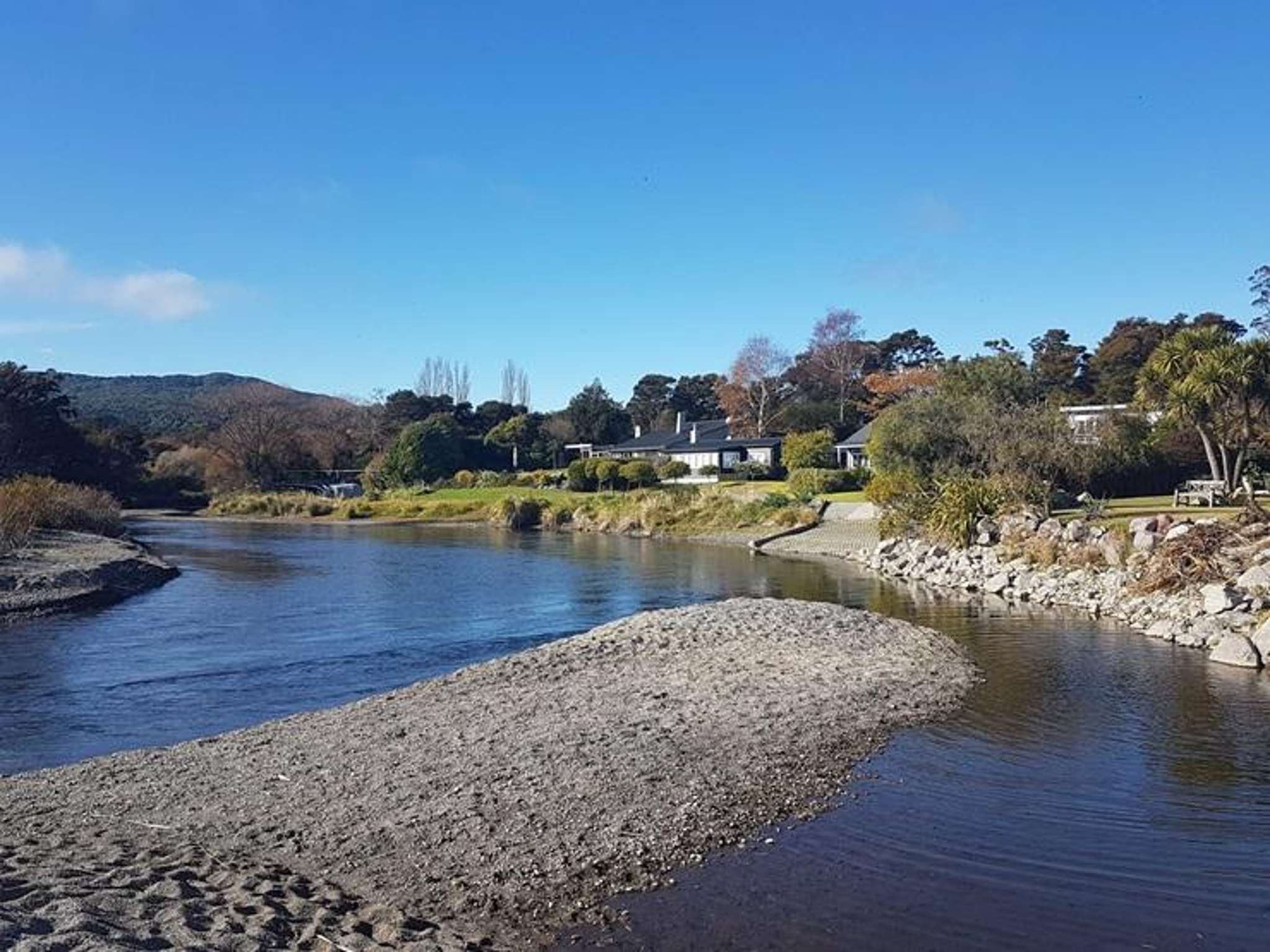
- Hatepe in Taupō is the leading mortgage-free hotspot, with 96% of properties debt-free.
- Clendon Park in South Auckland is the most indebted, with 91% of homes still carrying a mortgage.
- Rural and coastal areas have higher mortgage-free rates, while urban areas like Auckland and Wellington remain heavily mortgaged.
New Zealand’s mortgage-free hotspots have been revealed, as new data shows the suburbs where buyers are most likely to have paid off their home loans.
Start your property search
Figures from OneRoof’s data partner, Valocity, showed most households own their homes outright in rural and coastal communities, but mortgage debt remains the norm for major urban suburbs.
The data reveals Hatepe, in Taupō, as the country’s leading mortgage-free hotspot, with 96% of its 102 properties held without an active mortgage.
By contrast, Clendon Park in South Auckland was the most indebted suburb, with 91% of its 1716 properties still carrying a mortgage.
Matt Hooper, a senior adviser at financial consultants FINSOL, said Taupō was an interesting market.
“A lot of people have holiday homes here that are from out of the area. Then you’ve got the more established part of town where people who live locally are based.”
Hooper said a large amount of housing stock was owned by out-of-town buyers, leaving many properties vacant for most of the year.
Hatepe, for example, was considered a holiday destination, but it was also a suburb where people would live long-term.
Discover more:
- Tiny Southland town where houses cost less than $200,000 and everyone is welcome
- New Zealand's most viewed homes of 2025 - Bachelor sweethearts v Block heroes
- Ex-All Blacks coach Sir Graham Henry selling his spare waterfront apartment
Hooper said the Kiwi dream of becoming mortgage-free was achievable if buyers were disciplined and followed a plan.
“It comes back to the loan structure,” he said. “That’s not to say a first-home buyer couldn’t set themselves up to be mortgage-free.”
Even small and consistent contributions could make a difference, he said.
“It comes down to habit. If you can get into the habit of paying more from the start.”
Hooper said what people chose to focus on financially once their mortgage was paid off depended on their individual goals but it was wise to think ahead.
“People would want to have one eye on retirement and try to supercharge that as much as they can.”
Gisborne’s Tikitiki, Waipiro and Te Araroa were among the top 10 mortgage-free suburbs, with buyers clearing more than 80% off their home loans.
Buyers in Panguru, Parekura Bay and Te Tu Mangonui in the Far North had also paid most of their mortgages, as well as in Punga Cove in Marlborough, Opoutere in Thames-Coromandel and Arthur’s Pass National Park.
More than 50% of properties in the Thames-Coromandel district were also without a mortgage.
Bayleys Thames director Lee Carter said the Thames-Coromandel peninsula was a “tale of two coasts”.
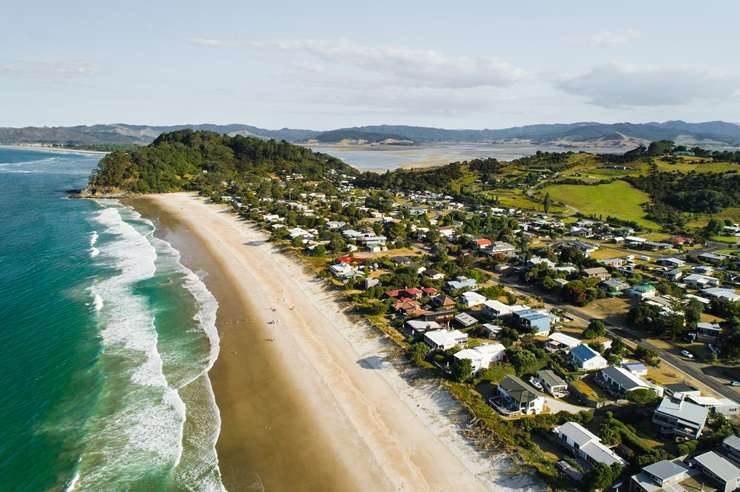
55% of residential properties in Thames-Coromandel are owned outright. Photo / Getty Images
Carter said on the western side, including Thames, the population was relatively high compared to the rest of the Coromandel where there was a high-level of investment properties.
Whereas the eastern side, particularly in Whangamatā, was dominated by holiday homes, he said.
“Half of those properties may show as having mortgages registered in the title but the figures could underrepresent the amount of homes that don’t have debt loaded against them.”
Regardless, he said becoming mortgage-free was still on the cards for many Kiwis as long as they adjusted their expectations, focused on what’s realistic and think long-term.
“The dream is still there if people are willing to work for it.”
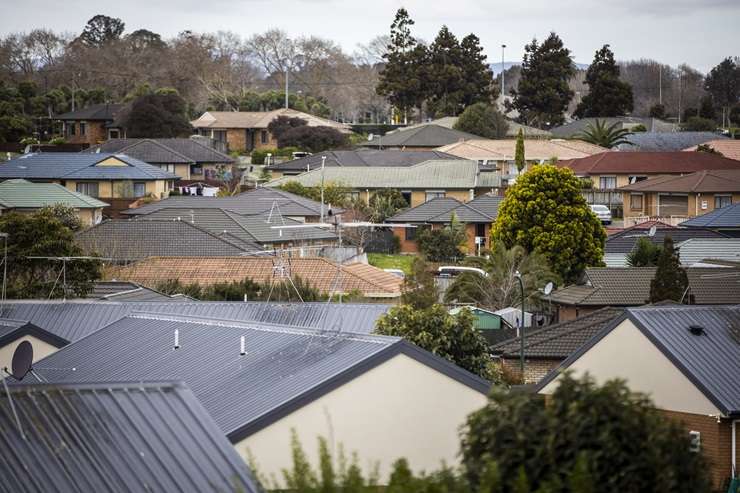
The overwhelming majority of homeowners in Clendon Park, in South Auckland, are saddled with mortgage debt. Photo / Mike Scott
In contrast, the most indebted regions were Auckland, Wellington and Manawatu-Whanganui, where buyers still owed more than 80% of their mortgages.
Buyers in Auckland’s Clendon Park, in Manukau, had the most owing on their home loans, with 91% still to pay.
Valocity senior research analyst Wayne Shum said it wasn’t surprising Auckland and Wellington were most indebted, as homes in those areas were likely to be more expensive.
“Most people living in those areas would have to take out a mortgage to buy a home.”
This was opposite in the Thames-Coromandel area, where most houses were baches or holiday homes, he said.
“Some of these properties are generational, which have stayed in the family for many years.
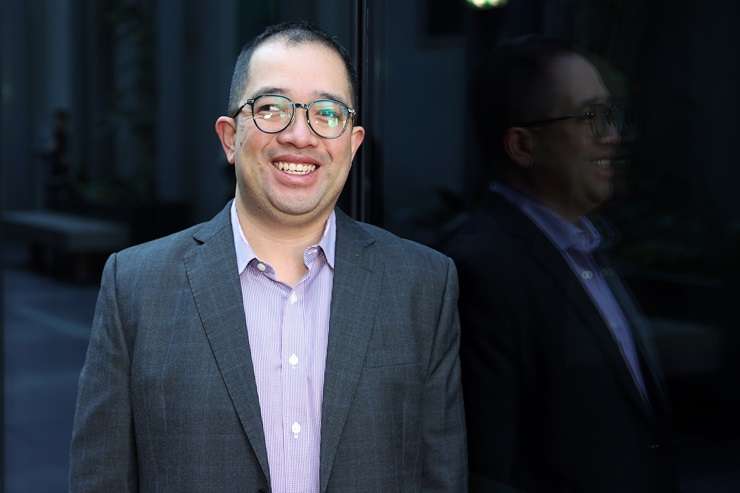
Valocity senior research analyst Wayne Shum: "Higher prices today mean we have to borrow more." Photo / Fiona Goodall
“It is also a relatively lower-priced region where people can pay off their mortgages faster on a median income in that area.”
Shum said first-home buyers taking on mortgages in Auckland and Wellington were more likely to buy smaller townhouses to get onto the property ladder.
“But if they decide to have children later on and suddenly need more space, they tend to look for something bigger.”
However, he said, people buying in more affordable areas such as Northland were more likely to stay in that area for a long period of time, or until they have paid off their mortgages.
It was also becoming more widely accepted that most Kiwis had to borrow money to buy property.
“In theory, we would be paying down our mortgages before looking at another property, be it an upgrade, holiday home, or an investment property. Higher prices today mean we have to borrow more, which will take longer to pay off,” he said.
“It has become more common for people to use their home equity to pay for home renovations or repairs, towards a second mortgage in a rental, or to supplement their superannuation in retirement.
“Also, over recent years, it has become a lot more common to borrow to make green investments into their lives – low-interest loans to buy EV, or solar panels, or other green upgrades to their homes.”
- Click here to find properties for sale