1. It’s still patchy out there in the 'burbs
The latest Cotality Mapping the Market data is out, covering recent changes in property values at suburb level, and by houses versus townhouses. There were still slightly more suburbs that recorded falls in values in the three months to September than were flat or up, which is consistent with the wider picture of a subdued market – reflecting a cautious mood and the weak economy and labour market. To some extent, cheaper or more affordable suburbs have been a little more resilient, but the gap is not that significant.
2. We’ve got a new governor
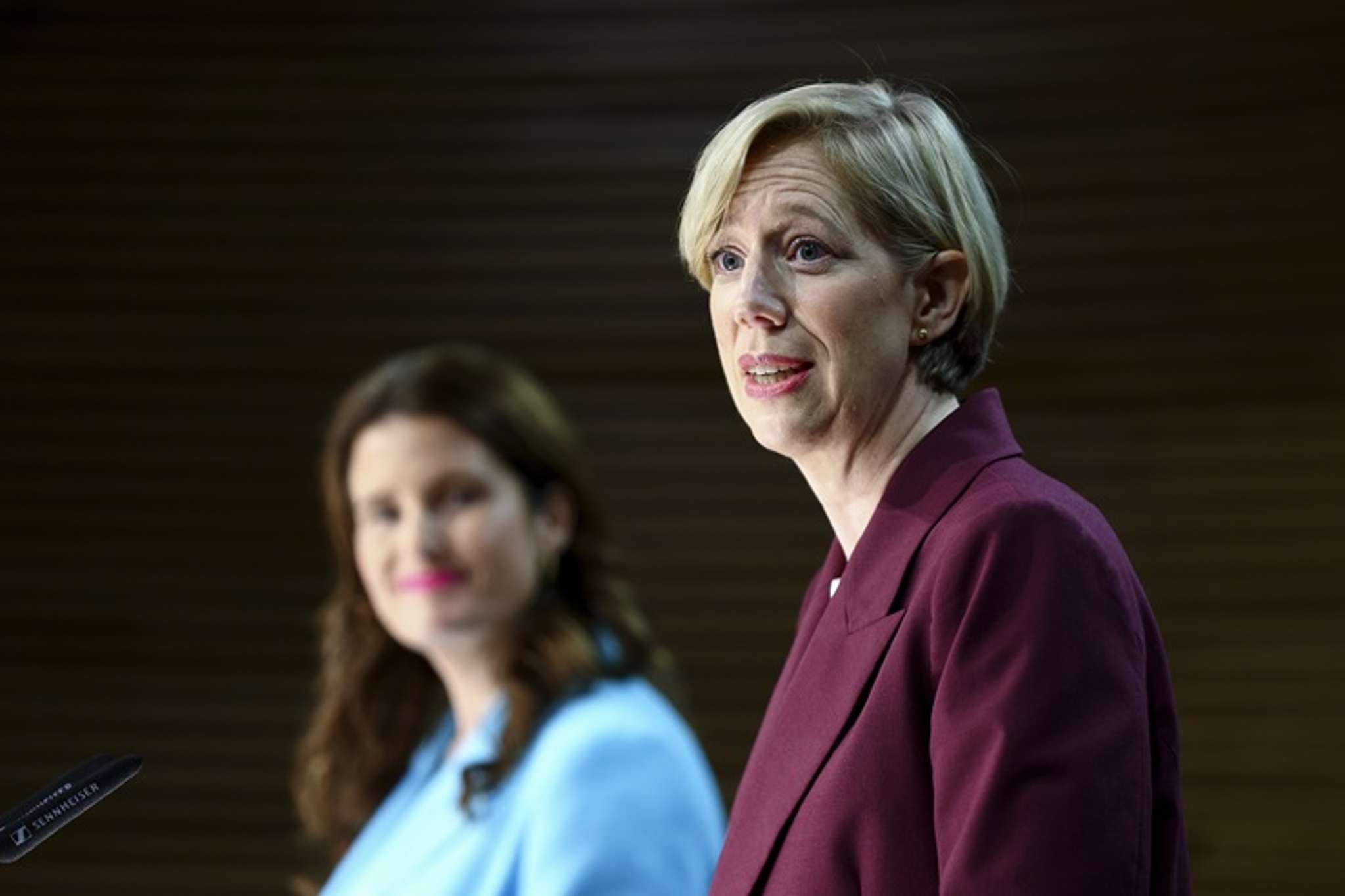
Looking ahead, although 2025 has been a subdued year for property values, the forces seem to be building for slightly more growth in 2026 – at least in part, due to lower mortgage rates. On that note, last week Dr Anna Breman was announced as the new Reserve Bank Governor. She starts on December 1, and there has been speculation about what this might mean for rates: will they fall further, or will the RBNZ under Breman err on the side of caution?
Start your property search
That’s a hard one to answer. After all, the remit from the Government sets the rules for policy, and while Breman is in charge, she’s still only one part of the committee that decides rates. Ultimately, the OCR will be determined by what’s happening in the economy.
3. Mortgage activity just ticked over in August
There wasn’t a huge amount to get excited about in the latest (August) Reserve Bank lending figures, with mortgage activity still higher than a year ago but at a slower growth rate than in previous months, and the splits by LVR, DTI, and interest-only really just showing more of the same.

Cotality chief economist Kelvin Davidson: "Ultimately, the OCR will be determined by what’s happening in the economy." Photo / Peter Meecham
It was also a slightly quieter month for bank switching, too, but at 26% of lending activity, this segment remains historically high/busy. With about 45% of all existing mortgages coming up to a rate review within the next six months, I suspect that switching activity will remain a focus, especially given few signs that banks are about to withdraw their cashback offers.
4. Better economic news after the weak Q2
Last week’s NZ Activity Index from Stats NZ showed a rise of 2.4% in August compared to the same month last year, which was the third strong result in a row and the highest reading since October 2022. After the disappointing GDP result (-0.9%) for April-June, the NZAC chimes with other measures showing that things have picked up since then, and based on July/August results, it suggests a Q3 GDP rise of perhaps 0.5% or more. Good news.
5. Floating in August?
One dataset I’ll be watching closely this week covers the split of mortgage lending in August by loan term chosen. Given there was an OCR call on August 20, it wouldn’t be a surprise if floating rates were popular last month, as borrowers waited to see what the RBNZ decided, before then choosing which fixed rate to lock in. Given we now know there are clearly more OCR cuts to come, I suspect borrowers may well retain a focus on floating and short-term fixed (6-12 months) rates in the next few months.