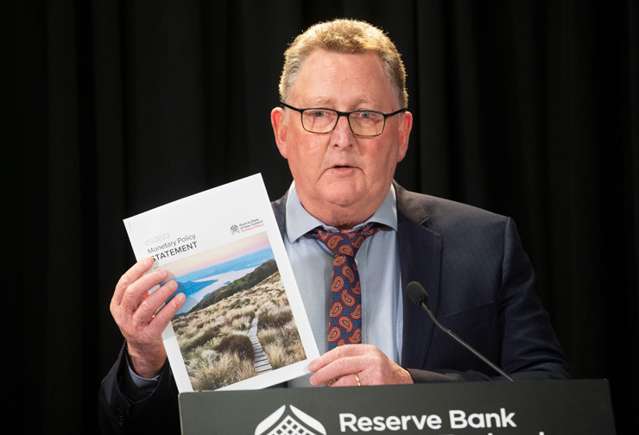
ANALYSIS: What is a reasonable view to have on the NZ economy for the coming year? Does one repeat the optimism that proved wrong in 2024 and 2025. Or is more caution warranted? The Reserve Bank’s 50-basis point cut to the OCR shows it is choosing caution.
Fair enough. Twice bitten third time shy. But the chances of good economic outcomes next year look a lot stronger this time around for several reasons, not least the lagged effect of lower interest rates.
At the end of 2023 interest rates were still on the up. And at the end of 2024, interest rates were falling but people were over-optimistic in thinking that relief would immediately appear. It can take 18-24 months for a substantial change in monetary policy to take effect.
Now, we are 14 months down the track from the first rate cuts, which tells us that the economy will start to feel the full effects of lower interest rates from early next year, gaining strength as we head into the general election.
Start your property search
Discover more:
- Tony Alexander: OCR shock treatment - is it working?
- First-time buyers rescue ski town from the brink collapse
- The homeowners struggling with hefty rates bills
What interests me is that we will also be feeling the impact of the jump in farm incomes. When rural incomes surge, the effects ripple out from Southland, then to Otago, and soon after to Canterbury, Taranaki, Manawatu-Wanganui, Bay of Plenty and Waikato. (The boost may take a year to show up in Auckland, and two years to show in Wellington.)
But there are other positive factors also coming into the mix. Upside potential is strong for foreign student numbers (highly relevant to Auckland CBD and Christchurch) as Australia curbs international student numbers to stem housing market tightness.
Infrastructure spending is ramping up – although picking timelines for a boost can be difficult given the long lags between announcing a plan and actually doing it. Prospects for house construction are looking better, at least for standalone housing. Multi-unit developments will take longer to kick into gear given the current over-supply and financier wariness of still over-stretched developers.
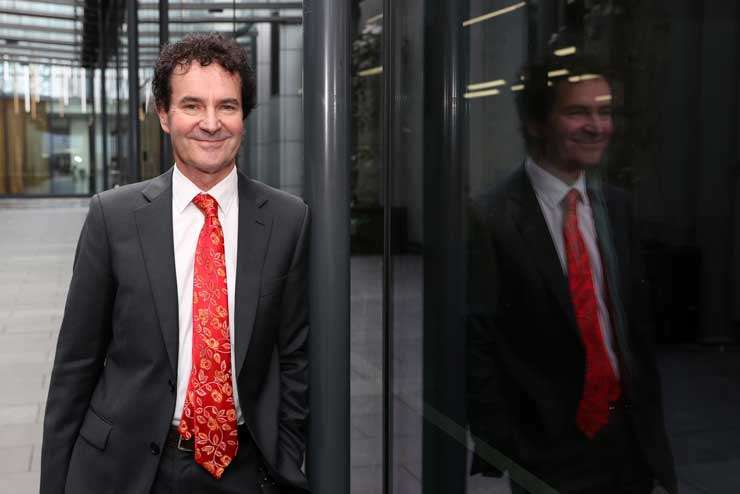
Independent economist Tony Alexander: "Optimistic people will spend more." Photo / Fiona Goodall
The exchange rate has weakened recently and that is good for some extra export receipts generally alongside maybe some extra tourists, which would be useful in helping to make up for the reduction in cruise ship visits to most ports this season.
Of great relevance in all of this is when householders start to feel more confident about their employment and income growth. Optimistic people will spend more. I can see early signs of businesses planning to hire more people from my monthly business survey. But there is zero indication as yet that employment confidence is lifting.
I gauge that from my monthly survey of real estate agents where one of the question I ask is what buyers are worried about. They can tick boxes for things like a shortage of listings, access to finance, interest rates etc., as well as their jobs and incomes.
At the start of last year only 14% of agents said people were worried about their employment. That soared to 56% come June last year which so far has been the peak. But the latest reading from three weeks ago was almost the same at 55%.
Therefore, for spring I don’t think it is reasonable for retailers to expect many positive surprises. But come summer there is a good chance of things looking better, and after that the factors I have listed above will come into play and should reward those who have made it through the horrid period since the pandemic binge ended at the start of 2022.
- Tony Alexander is an independent economics commentator. Additional commentary from him can be found at www.tonyalexander.nz