ANALYSIS: Let’s say people ignore the improvements in the economy and jobs market and the uptick in house prices and vote Labour in next year’s general election. If elected, Labour will introduce another tax, this one on residential and commercial property not considered one’s family home.
Let’s also put aside the following:
- Folk like me do not need free doctor visits. I am happy to pay and will willingly subsidise other sick people;
- The tendency of taxes to retard rather than drive stronger economic, employment, and productivity growth;
Start your property search
- The fact that higher house prices are driven substantially by lack of land and higher construction costs (council fees, standards etc.);
- The possibility that this new tax is the thin edge of the wedge towards a wealth tax; and
- The absence of a pool of billions of dollars to flow into other investments because most money used by investors is borrowed and not already saved equity.
Let’s consider just one simple thing: What will the impact of a capital gains tax be on house prices?
Discover more:
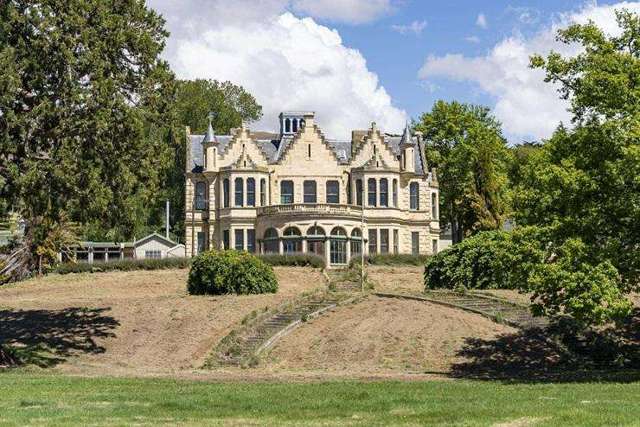
- Grand Designs mansion for sale: it pushed couple to the edge
- First-time buyers rescue ski town from the brink of collapse
- 'Oh my God': Crowds swamp open home for blue beachside cottage
The total return to someone investing in a residential property or keeping one they already have will decrease as 28% of gains after June 2027 will be taxed. Essentially, it is like a bright-line test set at 100 years – not two or 10. On that basis, we should expect more investors to sell, which will cause prices to be lower than they would have been otherwise. Most people will grasp this effect.
Most people will also grasp the idea that fewer people will buy property for investment purposes. Fewer investors at property auctions and tenders will also tend to constrain prices. So far, so good. It looks like we can reasonably conclude that housing affordability will improve.
But there will be a disincentive to create new investment properties. Reduced growth in new house supply will tend to place upward pressure on prices, and this is where the complication lies. To what extent will people pull back from financing new house construction for rental purposes?

Independent economist Tony Alexander: "Fewer investors at property auctions and tenders will also tend to constrain prices." Photo / Fiona Goodall
That is impossible to know. But there will be some offset to lower prices from reduced demand by investors for existing property and increased selling of existing holdings – especially before July 2027.
It seems reasonable to expect that the policy will improve housing affordability – but to an uncertain degree, especially because of what is already happening.
As discussed here many times, there is a movement of people away from residential property as an investment already underway. It is being driven by long-term considerations such as the hike in costs of running a rental business (council rates, insurance, maintenance).
Also, interest rates are no longer falling on a multi-decade basis, which means reduced natural upward pressure on prices. This is helping to curtail the record of house price gains, and that is naturally keeping people from thinking they need to invest in housing or risk feeling silly not too far down the track. Helping also are the government’s efforts to boost residential zoned land supply and allow greater intensification.
In New Zealand, the situation has already stopped being one of a need to invest in property or miss out. The new paradigm is already more professional, more focussed on running yield rather than long-term tax-free capital gains, and bereft of the great frothiness of the past where all the hoi polloi joined in the game.
Therefore, while technically I have to conclude that Labour’s latest new tax will be positive for housing affordability, in reality, the price impact will be very hard to spot.
- Tony Alexander is an independent economics commentator. Additional commentary from him can be found at www.tonyalexander.nz