ANALYSIS: It takes about 18 to 24 months for a tightening of monetary policy (higher interest rates) to have its biggest impact on the state of the economy, business pricing power, and therefore inflation. It can take the same length of time following a monetary policy easing for the opposite things to occur.
The first easing of policy in this cycle occurred almost exactly a year ago, and the economic figures tell us that there has not been much positive impact – yet. That is normal, and it will be normal for the remainder of this year to look fairly similar.
But come the first half of 2026 we should expect to see a shift in the pace of growth in the economy, consumer sentiment and willingness to spend. Before then many of the various measures we economists track will probably have bottomed out and I can see bits of that happening in my most recent monthly surveys.
Start your property search
For instance, a few days ago I ran my monthly survey of real estate agents with NZHL. When I asked them if buyers seem to be displaying FOMO – fear of missing out – only 11% said yes. This is well below the 30% five-year average and 92% peak in January 2021 during the pandemic frenzy.
But last month this percentage was 9% and two months ago 5%. Buyers are still largely sitting on their hands, but they are starting to lift their heads and have a glance around. There has also been a small lift in the net proportion of agents seeing more people at open homes – up to a net positive 8% from negative 4% last month and 16% two months back.
Discover more:
- Tony Alexander: RIP New Zealand's 'Mum and Dad' property investor
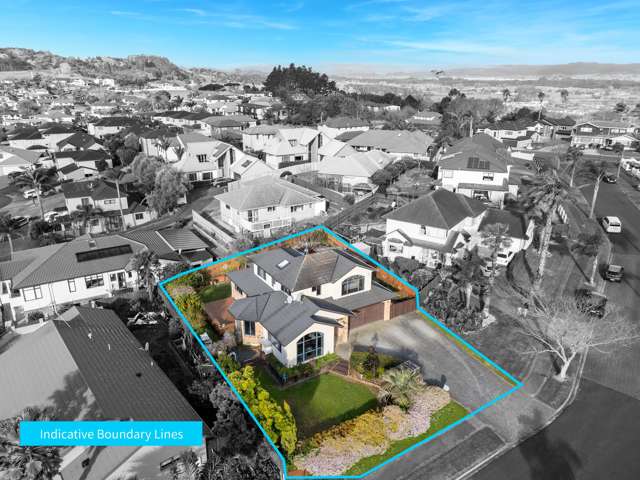
- 'She wants it sold': Auckland house with pool for sale for $699,000
- House gets an extra half million after 24 bidders shatter capital record
However, I am currently in the middle of running my monthly survey of mortgage brokers with mortgages.co.nz, and no particular new strength is showing through as of yet. Instead, I can see some reinforcement of the comments I made here last week regarding a structural downward shift underway in net investor demand for property.
When I ask the brokers whether they are seeing more or fewer investors looking to buy, a net 3% have said fewer. This is down from a net 21% last month saying they were seeing more and is the weakest result since -13% in the middle of 2023.
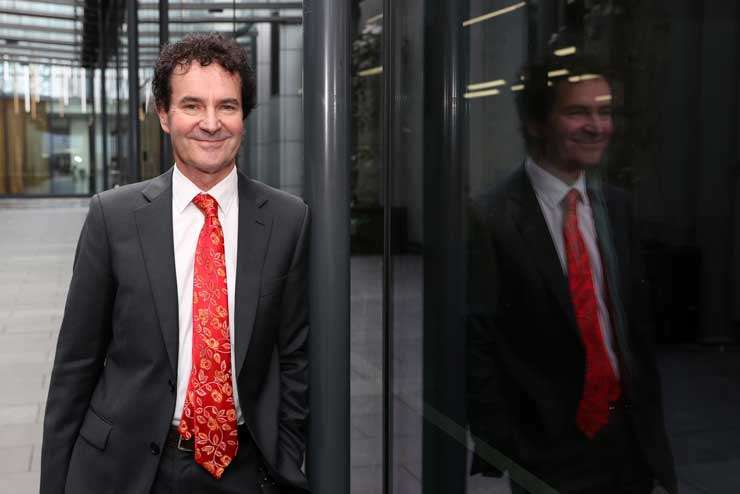
Independent economist Tony Alexander: "Stronger growth is coming, but it is not here yet." Photo / Fiona Goodall
It is too soon to expect the effects of falling interest rates to be having much impact, and perhaps an easy way to understand that is this. A central bank doesn’t cut interest rates if the economy is strong or expected to become a lot stronger – implying higher inflation. It cuts when things are bad and they are worried they are going to become worse – implying lower than desired inflation.
Currently, the Reserve Bank is cutting interest rates – because things are bad, not because it sees sunny days just around the corner.
For businesses, the message remains clear. Stronger growth is coming, but it is not here yet. If you make mistakes, you’re going to pay a high price still in the current market. Your ability to pass higher costs into higher selling prices is still highly compromised. And in the housing market, power still remains firmly in the hands of the buyer.
Just briefly, unemployment hit 5.2% in the June quarter, the highest it's been since 2020. The important thing to keep in mind is this. The employment cycle lags the economic growth cycle. Only once our national output is growing more securely can we reasonably expect businesses to back the upturn by boosting their hiring and pulling back from laying staff off. That is a story for 2026.
- Tony Alexander is an independent economics commentator. Additional commentary from him can be found at www.tonyalexander.nz