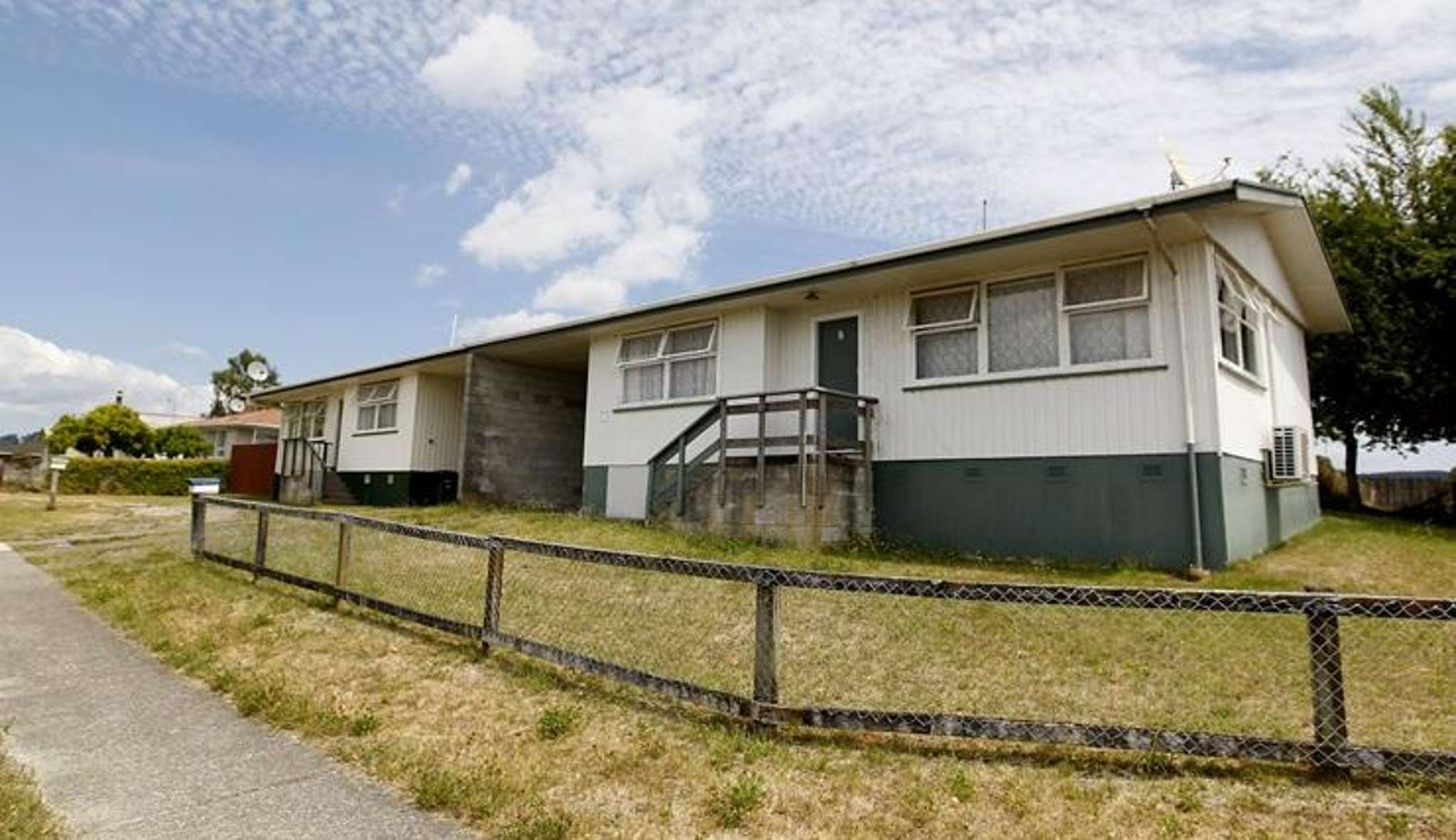
- The Kiwi dream of becoming mortgage-free before retirement is achievable with discipline and planning.
- Murupara in Whakatāne allows homeowners to pay off mortgages in 5.4 years with $663 weekly.
- Experts say early planning and smart structuring can help Kiwis reach mortgage-free status faster.
The Kiwi dream of becoming mortgage-free before retirement is still achievable for most new homeowners, but experts say there is “no secret formula”.
Start your property search
Instead, they say it comes down to discipline, having realistic budgets and a clear plan, and a mortgage structure that aligns with your lifestyle.
New figures from OneRoof’s data partner, Valocity, have revealed the suburbs and towns where homeowners could pay off their mortgage the fastest.
The data showed the locations where Kiwis can be mortgage-free in 30 years or less if they put aside at least 30% of their median weekly income. This was based on a one-year fixed interest rate of 4.5%.
The spot where new homeowners could pay down their mortgages the fastest was Murupara, in Whakatāne, with an average $206,000 home loan able to be repaid in just 5.4 years at $663 a week.
Bower Real Estate sales consultant Tony Baker said being mortgage-free was still an achievable dream, especially in a regional town like Whakatāne, which offered more affordable housing than many other centres.
“Affordable property means that with some hard work and discipline, people can be mortgage-free a lot faster than they would otherwise, so they have the ability to potentially retire earlier and enjoy the benefits of relative youth and mortgage-free living.”
Home ownership was still important for many people, but affordability constraints remained for many buyers.
Discover more:
- Where Kiwis have the best chance of buying a house for less than $500,000
- House prices at the top of New Zealand - reality of buying in Far North
- Tiny Southland town where houses cost less than $200,000 and everyone is welcome
“I think we are seeing maybe more cautious buyers who are very clear about how much they can spend. Many have a very set spending budget in terms of what they can and can not afford.”
Mortgage Bliss director Graeme Kinney said paying off a mortgage in six years or less was possible in an area like Whakatāne, but required dedication.
Kinney said buyers who bought during 2021 and 2022, when FOMO (Fear of Missing Out) was driving prices up, may now find themselves carrying large home loans and facing reduced equity.
“This was stopping them from trading up,” he said. “Regardless, if you’ve got a home loan over 30 years, you should be able to get that paid off before retirement.”
His key advice for homeowners was to maintain their mortgage repayments at the higher rate they fixed during peak interest periods, even when refixing at a lower rate, to help accelerate repayment over time.
Ohai, in Southland, was another mortgage-free hotspot, where homeowners also had the potential to pay off their average $217,000 home loans in less than six years at $655 a week.
Graeme Hegan, of Bayleys Real Estate, in Southland, said the 2021 loss of the coal mine, which was the town’s major industry, meant many residents had to look elsewhere for work to meet mortgage repayments.
However, Ohai offered a strong rural and farming base, and property was comparatively affordable, saying it was “definitely” still possible to live mortgage-free in Southland.
“Southland mentality is if you borrow from the bank, you work like hell to pay it off.”
Meanwhile, homeowners in Wairoa, Kaitangata and Clinton in Clutha, Patea in South Taranaki, Mataura in Gore, Wyndham in Southland, and Middlemarch, outside Dunedin, could have paid off their mortgage by 2034 if they bought this month.
The most indebted suburb was Wellington’s Karori. Its average property value of $1,042,000 meant buyers were unlikely to be rid of their mortgage until 2054.
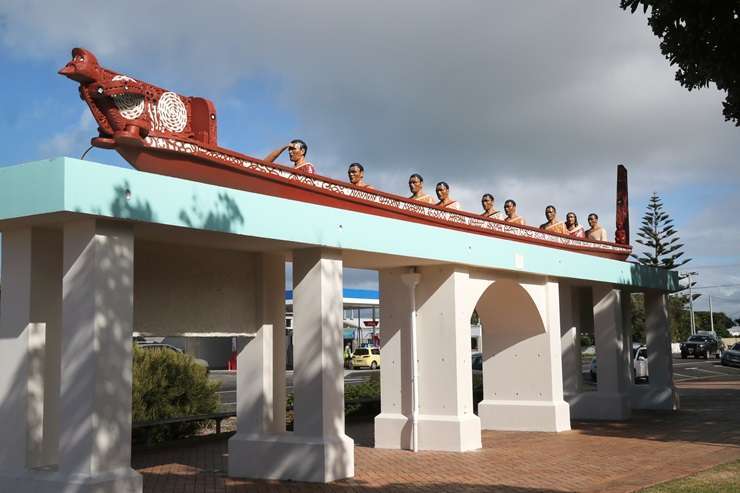
Patea, in South Taranaki. New buyers can own outright by 2033. Photo / Bevan Conley
The Finance Collective wealth and mortgage financial adviser Stuart Harris said being mortgage-free was still an achievable dream for most Kiwis, but there was “no secret formula”.
“It doesn’t happen by accident. With early planning, smart structuring, and the right advice, people can reach that goal far earlier than they expect.
“When people understand their numbers, including holidays, new cars, school costs, they’re far more likely to stick to a long-term plan.”
Harris said accelerated repayments were powerful, but not the only pathway.
“For some clients, strategic investing – whether an investment property, managed funds, or a diversified wealth plan – can actually pay off the mortgage faster than traditional methods,” he said.
“Banks aren’t in the business of telling you how to pay your loan off faster ... the real benefit of working with an adviser is having someone who understands your income, cashflow, and long-term goals, and can tailor the loan structure around your lifestyle.”
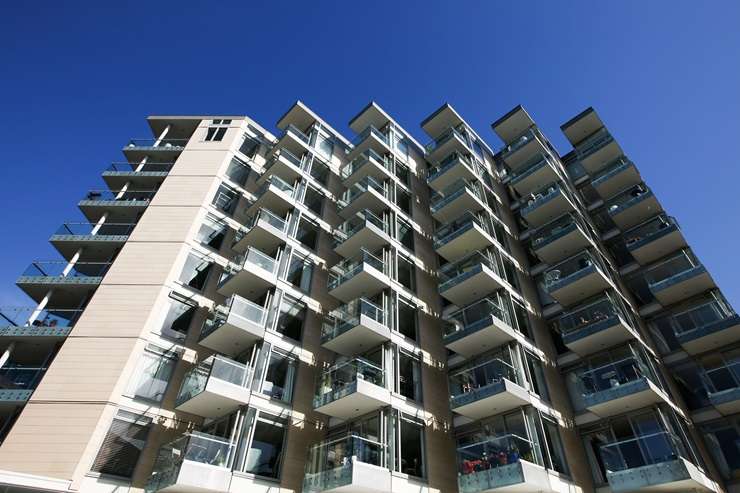
Apartments in Wellington Central. Home loans in the capital suburb could be wiped out in around 10 years. Photo / Getty Images
Starting early also makes a huge difference, he said.
“When someone begins in their 20s, 30s, or early 40s, they’ve got a much longer runway to get debt-free and build wealth.
“Once you hit 50-plus, the timeframe before retirement shrinks. But it’s still achievable with the right structure and commitment.”
Going from historically low interest rates to above 7 per cent has also been a wake-up call, he said.
“Kiwis want more control and don’t want to be caught out again. So we’re having more conversations about balancing rapid debt reduction with building a retirement nest egg.”
Being mortgage-free opened up an entirely new world of options for people, he said.
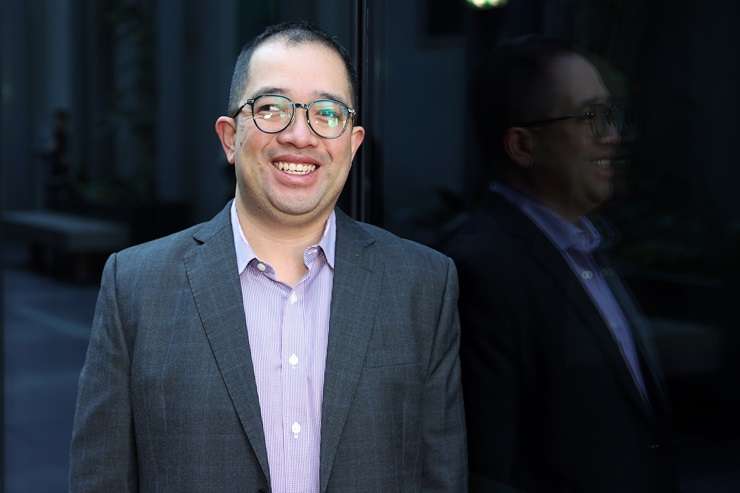
Valocity senior research analyst Wayne Shum: "Some may never actually repay fully, but downsize to become mortgage-free." Photo / Fiona Goodall
“Once that major financial burden disappears, Kiwis suddenly have the freedom to think about things like holidays, renovations, investment properties, or building up their managed funds. It’s like unlocking a new stage of financial life.”
Harris said KiwiSaver played a huge role in whether people would have enough to live comfortably in retirement. “Mortgage-free is the turning point where long-term choices become possible,” he said.
“People shift from survival mode to building wealth. For some, that means an investment property; for others, it’s growing diversified managed funds or finally saving for that dream holiday.”
Valocity senior research analyst Wayne Shum said the pace at which homeowners repay their mortgages was largely influenced by the relative earning power within each suburb.
Shum said a median income earner may not be able to afford to buy in more expensive parts of the country.
“The maximum in New Zealand is a 30-year term. Even if a longer term is allowed, their available income simply won’t cover the interest portion of the loan, let alone repaying the principal.”
Shum said a common misconception, particularly in major metropolitan areas like Auckland, is that although homeowners may pay off a portion of their mortgage over the first decade in their initial property, many move to a second home before the loan is fully repaid.
“Some may never actually repay fully, but downsize to become mortgage-free. For example, selling their house in Auckland and moving elsewhere in retirement.
“Of course, going from a two-bedroom to a four-bedroom house most likely means borrowing more, and/or extending mortgage terms.”
- Click here to find properties for sale