- Higher council rates are impacting the housing market, especially for low-income homeowners facing cost pressures.
- Hamilton rates have risen 41% in three years, with a 15.5% increase this year alone.
- Experts say high rates affect buying decisions, with some buyers considering cheaper areas like Ngāruawāhia.
Higher council rates are having a negative impact on the housing market, experts have told OneRoof.
Start your property search
According to one Hamilton councillor up for re-election, sharp increases in council rates have exacerbated cost-of-living pressures, especially for low-income homeowners, some of whom are looking at selling up and moving to cheaper areas.
Andrew Bydder said he had received dozens of calls from Hamilton residents – mainly pensioners – who were struggling to pay their rates.
“They aren’t looking at the value of their property; they are looking at the annual living costs against their fixed income,” he told OneRoof.
He said pensioners on $28,000 a year were facing hard choices thanks to rates “hitting $4500 this year and going over $5000 next year”. The squeeze, made worse by rising insurance costs and higher power bills, left them unable to keep their homes. “They can’t sustain their house. They are looking at moving to locations with lower rates.”
Hamilton rates have risen 41% in the last three years. This year alone has seen homeowners’ rates bills jump 15.5%, one of the biggest annual increases nationwide, according to the New Zealand Taxpayers’ Union.
Lodge managing director Jeremy O’Rourke told OneRoof that buyers were increasingly factoring in the cost of rates and insurance when searching.
Discover more:
- Tony Alexander: What the OCR drop means for mortgages and house prices
- Auction shock: Empty land sells to young buyers for 33 times its RV
- 90 days was all it took for prices in this suburb to jump $130,000
While Hamilton wasn’t the most expensive place to live, neighbouring towns like Ngāruawāhia, Morrinsville and Te Awamutu – all within 20 minutes of the city – had more affordable properties and were attracting the attention of budget-conscious buyers, he said.
“Definitely, we have people who go, ‘Hey, I can get better bang for my buck in Morrinsville’.”
James Ross, a spokesperson for New Zealand Taxpayers’ Union, said rates were one of the biggest expenses families faced, and he argued that high rates drove up the cost of both owning and renting property in New Zealand.
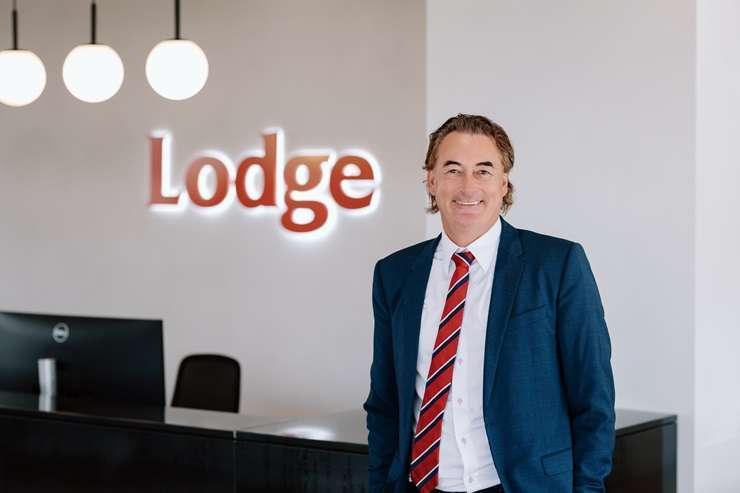
Lodge managing director Jeremy O’Rourke: “Definitely, we have people who go, ‘Hey, I can get better bang for my buck in Morrinsville’.” Photo / Supplied
“Rates hikes can make an area much less attractive to buy or rent in a very short space of time, sucking life and investment out of the district.”
The lobby group said the biggest hikes in rates this year were imposed by Clutha District Council (+16.6% this year) and Upper Hutt City Council (+15.8%). While the councils imposing the biggest hikes did not necessarily have the highest rates, the gap was closing fast, with some council rates rising by more than 50% in the last three years, above the national average increase of 34%.
Infometrics chief forecaster Gareth Kiernan said rates, insurance, electricity and food were all cost-of-living pressures hitting consumer confidence.
“People are reluctant to make big decisions, especially around the housing market. You don’t want to be taking on a whole lot more debt if you are still coming into budgetary pressure and you are not sure where the labour market is going either over the next six to 12 months.”
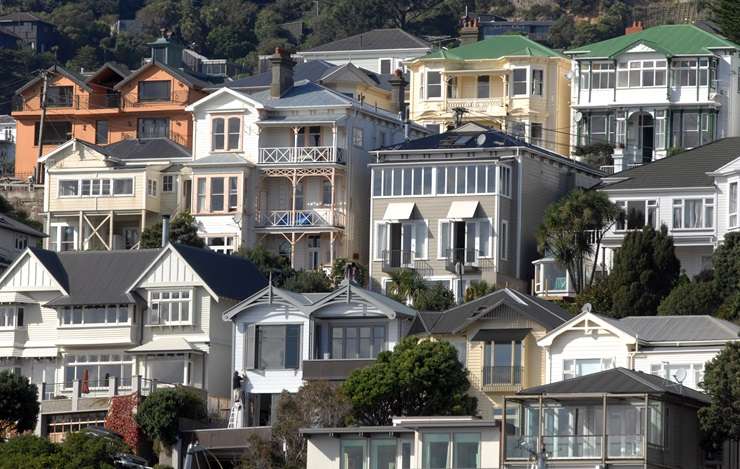
Wellington agents said rising rates had curbed the appetite of some investors in the city. Photo / Getty Images
Kiernan said high rates could make first-home buyers and investors think twice about buying property. First-home buyers would have to factor in the added expenses of rates and insurance, which they don’t have as renters, while investors might reconsider purchasing more property or offloading existing properties if the numbers weren’t stacking up.
Harcourts Hamilton business owner Campbell Scott agreed that rates would impact some buying decisions, but other factors were just as important: proximity to work, family and friends, and schools.
For a lot of homeowners, rates were a bit like petrol, he said. When prices at the pump went up, most people would “suck it up and get on with it”.
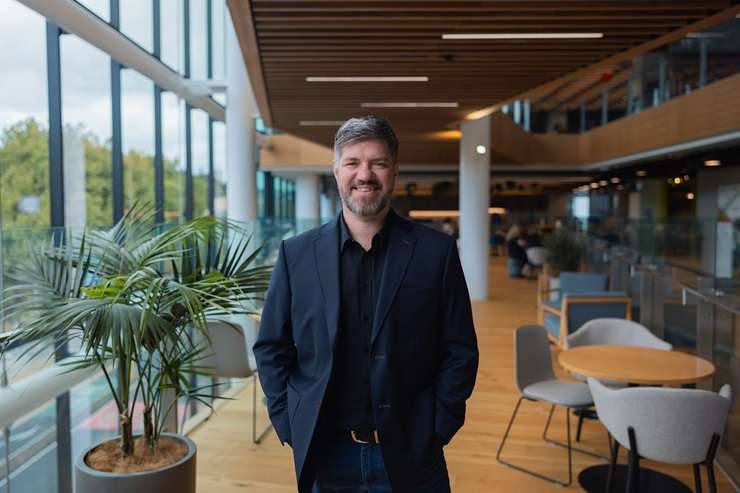
Kiwibank chief economist Jared Kerr: "I don’t think that higher council rates will stop people from buying houses." Photo / Supplied
In Wellington, Professionals Redcoats managing director John Ross said rising council rates, together with falling rents and higher insurance costs, had curbed investor appetites. Buyers who were looking for an 8% return on their investment were increasingly coming up short, he said.
Tommy’s agent Jason Lange said Wellington City Council’s rates bills did appear to be higher than the neighbouring councils, but homeowners seemed to accept that was one of the costs of living in the capital.
“If you want to live in a certain location, you just have to deal with the rates and the different rating systems and rate costs within the city.”
Lange said the only people he noticed factoring rates into their property decisions were those buying apartments. “Some on their own might have been looking at a million-dollar property, and then the rates have come out and they’ve thought. ‘I just can’t afford that overhead at the moment’, so they drop down to the next bracket,” he said.
“We haven’t really seen too many people shy away from particular houses just because the rates are a bit higher.”
Property Ventures financial adviser and investment coach Debbie Roberts said buyers should take a good look at council rates before going unconditional on a property. “It’s something that’s quite easy to overlook, but it’s ongoing annual expense,” she said.
“For years we’ve talked about how Auckland rates are cheap compared to the rest of the country, and I think that is starting to level out a little bit now, but in the regions you tend to get higher cashflow, and that helps offset the increased rates.”
Kiwibank chief economist Jarrod Kerr said the rise in council rates across the country was a “necessary evil”, and was the result of decades of under-investment.
He said higher rates “hurt” homeowners, but argued that bigger expenses, such as interest rates, had more sway. “You are talking about the price of beans when you’ve got a steak meal. There are quite a few other things on the plate that have a larger impact,” he said.
“I don’t think that higher council rates will stop people from buying houses. I think it’s a disappointment and I think it’s an expense that will hurt, but with interest rates falling 50bp, for most people that pretty much wipes out that difference.”
Dr Andy Asquith, who was previously based at Massey University and is now at the Institute for Public Policy and Governance at the University of Technology Sydney, did not think rates increases would play a huge part in this month’s local elections.
Asquith said it might if people took a short-sighted view and voted for candidates making bold promises on rates, but he thought most people had a better understanding of how rates were used.
“I think that many people realise that their rates are not being used to finance trips to Florida or fancy statues; they are being used to make sure bridges don’t collapse, roads are repaired and that they have clean water.”
Asquith said that council rates represented about 5% of all taxes raised in New Zealand, with central government taking the rest. “Yet it’s local government that has to bear the brunt of it, and that’s because people get an annual rates bill.”
- Click here to find properties for sale