The five things you need to know about the housing market this week.
1. It’s still patchy out in suburbia
Last week, Cotality published its three-monthly look at median property values for both standalone houses and townhouses for every suburb across the country. Unsurprisingly, the data showed a patchy story. For example, 390 suburbs saw standalone house values rise by at least 1% in the three months to June, but 282 dropped by the same amount. For townhouses, the figures were 167 up and 166 down (with hundreds of other suburbs broadly flat for both houses and townhouses).
By geography, there was a bit more growth in “affordable” areas such as Southland or West Coast (e.g. Lorneville, in Invercargill, or Ngahere, in Grey District), with many suburbs in Auckland and Wellington lagging. But it’s not just affordability; the value trends in the suburbs also reflect the underlying shape of the economy, too, with agriculture faring well, but retailing and other services-based industries battling a bit. This favours provincial markets rather than the main centres.
Start your property search
Overall, higher mortgage rates and a softening economy remain headwinds for property sales and house prices. For now, 2026 is shaping up to be another muted year for the housing market. Of course, first-home buyers are taking advantage of these favourable conditions, as are some investors (defined as mortgaged multiple property owners). Other investors, however, remain cautious, as the election looms, with the possibility of capital gains tax and a phasing out of interest deductions on the cards.
2. It’s only a slow drift higher for net migration
Weak property rents are another reason for a pause by some would-be property investors, and although net migration (and hence property demand growth) is drifting upwards, it remains fairly subdued by past standards. Indeed, last week’s figures from Stats NZ showed a total of around 22,800 in the year to April – more than double August 2025’s trough, but still significantly below the long-term average of around 31,000.

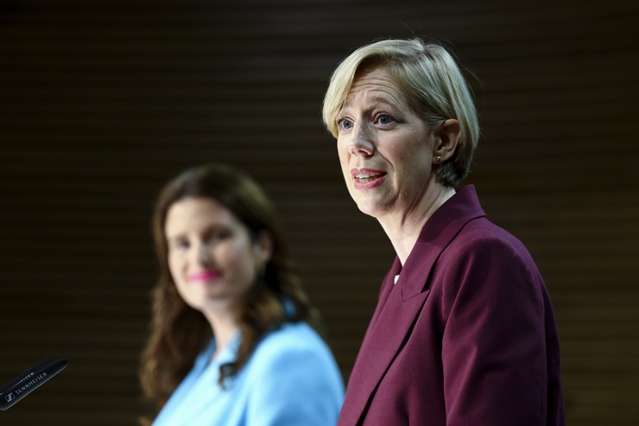
Cotality chief economist Kelvin Davidson: "Higher mortgage rates and a softening economy remain headwinds for property sales and house prices." Photo / Peter Meecham
3. All eyes on consumer spending
This week, Stats NZ will publish electronic card spending data for May, while the Performance of Services Index for the same month will be out too. Both these indicators of households’ moods and willingness to spend have softened in recent months, and more of the same seems likely on the latest releases. Reduced spending on day-to-day items now would hardly bode well for big-ticket purchases such as housing in the coming months.
4. ... and on inflation
Stats NZ will also release the monthly selected price indexes data for May, which covers about 45% of the benchmark quarterly CPI. This will rightly get plenty of coverage, but unfortunately, inflation pressures are likely to have escalated – many will be watching the fuel component, as well as food, and any hints that “second round” pressures are emerging. For property rents, I’d expect another soft result – one thing at least that the Reserve Bank of New Zealand doesn’t need to worry about.
5. The last rise for a while?
And finally for this week, Q1 GDP stats will be published on Thursday. They could reveal that the economy expanded by anywhere between 0.5% and 1% in the first three months of the year, but of course, things have already moved on from that period, with April and May having been a battle. In other words, Thursday’s GDP release will receive a lot of focus, but it’s out of date, and attention will quickly turn back to what’s happening right now.
- Kelvin Davidson is chief economist at property insights firm Cotality