A freehold coastal accommodation asset on the edge of the East Cape is being brought to market in a non-operating state.
It presents investors, owner-operators and hospitality professionals with a rare opportunity to reposition a well-known destination in line with New Zealand’s resurgent tourism sector, Bayleys brokers say.
Bayleys hotels, tourism and leisure broker Eddie Rizarri, together with colleagues John Greenwood and Mike Florance, is marketing the freehold property at 365 Lottin Point Road, Hicks Bay, for sale by tender, closing at 4:00 pm on Friday, 8th May 2026 (unless sold prior).
Rizarri says the offering combines an established reputation with a clear pathway for reinvention.
Start your property search
“Lottin Point is already understood by the market.
"For decades, it has attracted a loyal base of recreational anglers and repeat visitors drawn to the quality of the fishing grounds and the authenticity of the setting,” he says.
“What differentiates this opportunity is that it is now being offered without an operating business in place.
"That gives incoming ownership the ability to reset positioning, branding and operational strategy from day one.”
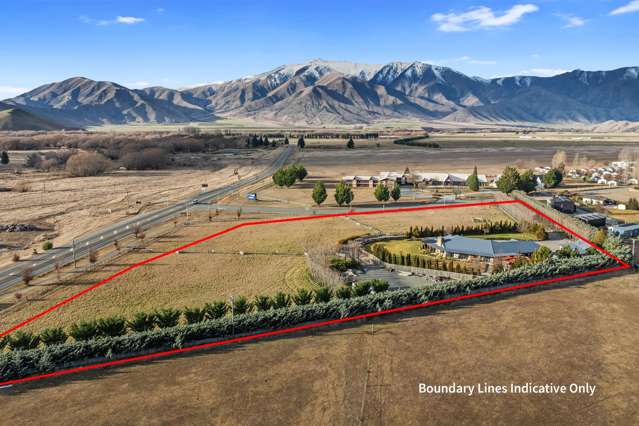
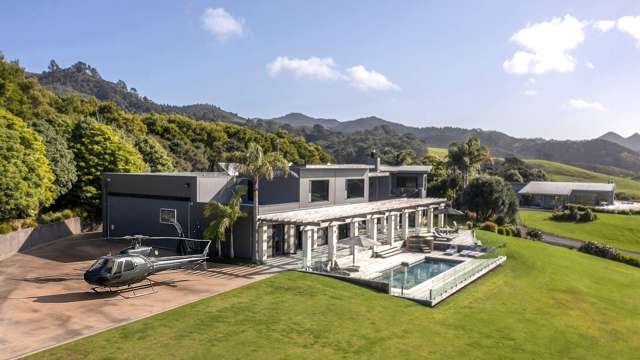
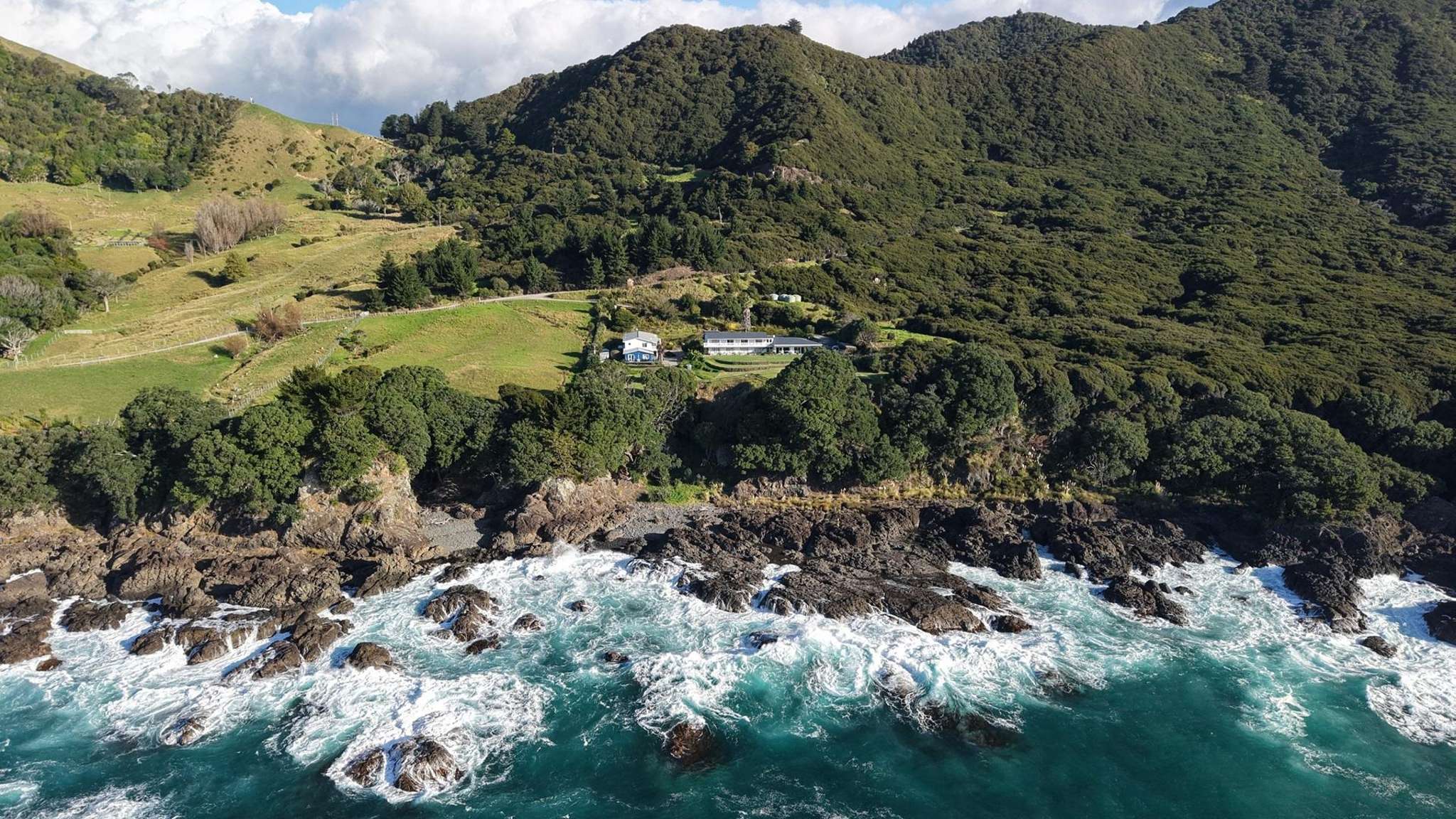
Set across 1.41ha (more or less), the property comprises a substantial accommodation complex, designed to support group and leisure-based stays.
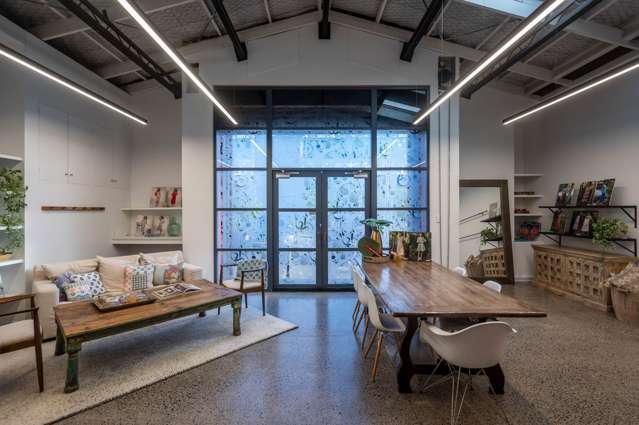
Existing improvements include guest rooms, communal living and dining areas, a commercial kitchen, laundry facilities, and a purpose-built drying shed tailored to outdoor tourism activity.
The lodge’s elevated coastal position delivers expansive Pacific Ocean views, while a helipad provides direct private access to a location that is otherwise defined by its remoteness.
Bayleys residential, waterfront and tourism associate director, John Greenwood, says that the combination of infrastructure and isolation is increasingly aligned with evolving traveller preferences.
“We’re seeing sustained demand for experience-led destinations, particularly those that offer a sense of disconnection without compromising on access or amenity,” he says.
“Assets of this nature – where the fundamentals are already in place, but the operational model is yet to be defined – are particularly compelling in the current cycle.”
The property’s former use as a fishing lodge underpins its credibility within a niche but resilient segment of the tourism market, while its scale and layout provide flexibility for a range of future uses.
Potential repositioning options include a refreshed recreational lodge, an eco-tourism retreat, boutique coastal accommodation, or a private residence with income capability.
Greenwood says the broader tourism backdrop supports renewed investment in assets offering both lifestyle and commercial upside.
“International visitation is rebuilding, domestic travel remains consistent, and there is growing interest in remote, nature-based experiences that New Zealand is uniquely positioned to deliver,” he says.
“At the same time, policy settings – including investor migration pathways – are expanding the pool of potential buyers seeking assets that combine personal use with enterprise.”
He says opportunities to acquire freehold coastal accommodation assets with established infrastructure and a proven demand profile are increasingly limited, particularly in tightly held locations such as the East Cape.
“In this case, the value sits not just in the landholding and improvements, but in the ability to take a known destination and relaunch it with clarity and intent.
“For the right buyer, it’s an opportunity to align an existing asset with where the tourism market is heading, rather than where it's been.
- Supplied by Bayleys