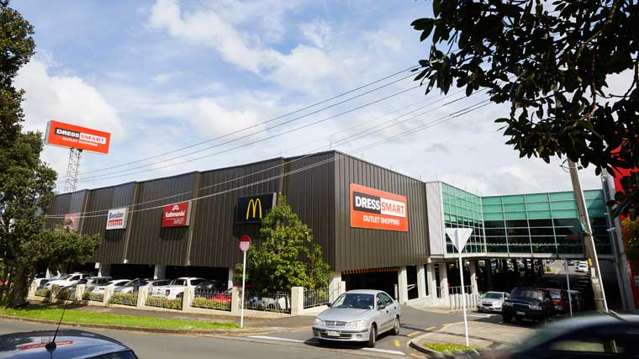
- John Bougen co-founded Dress Smart 30 years ago after being inspired by US factory outlets.
- The Onehunga centre has had over 60 million visits and generated more than $2.5 billion in sales.
- Dress Smart Onehunga will be transformed into a three-level retail project with new shops and more parking.
These days, you’ll find business tycoon John Bougen in the tiny gold-mining town of Reefton, in the South Island, but 30-odd years ago, he was driving between Vancouver and Seattle when he came across a “s***ty-looking” retail centre.
Start your property search
Bougen’s former wife wanted to use the restroom, so they stopped, but a visit they thought would take 10 minutes took hours.
What they had stumbled on was a factory outlet centre, and when Bougen’s wife emerged back into the light she handed over an armful of shopping bags.
“All I did was ferry bags there for the next two or three hours. We could not see out the rear vision mirror. There were so many bags in this car. It was all so well-priced.”

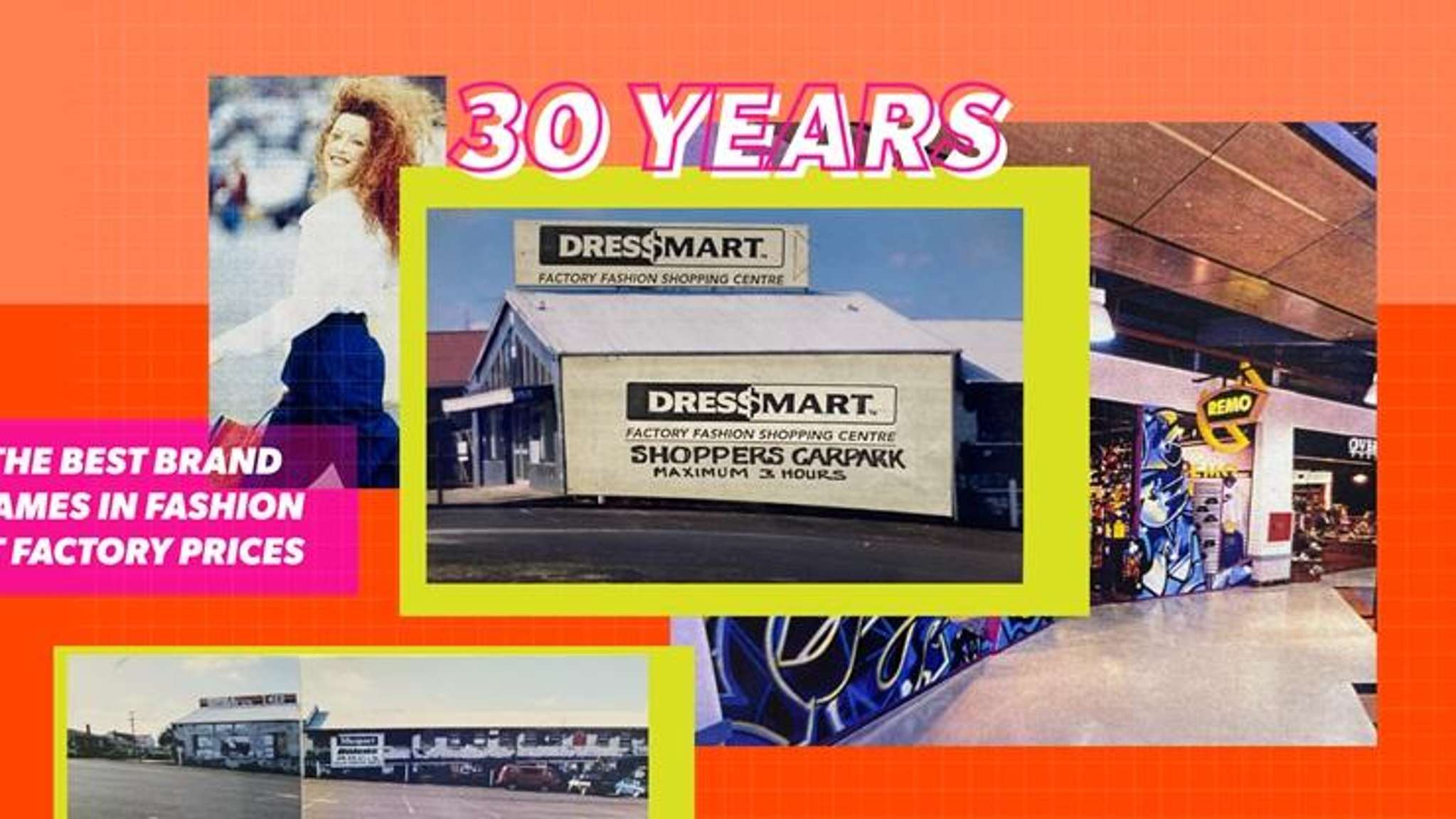
Dress Smart in 1995. The outlet has since expanded its footprint and is home to more than 100 brands. Photo / Supplied
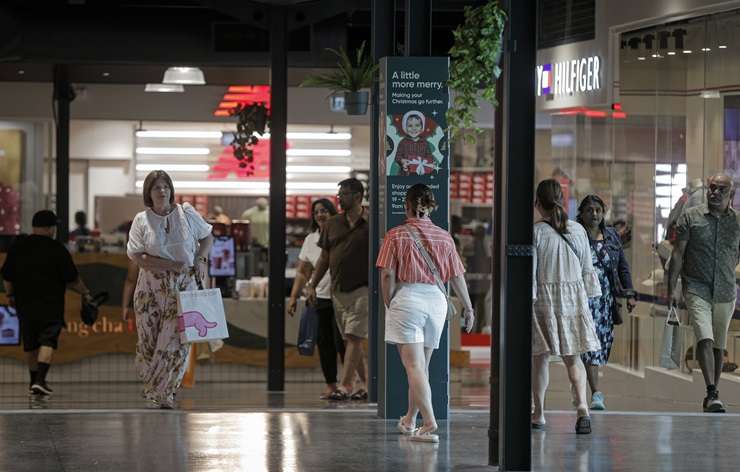
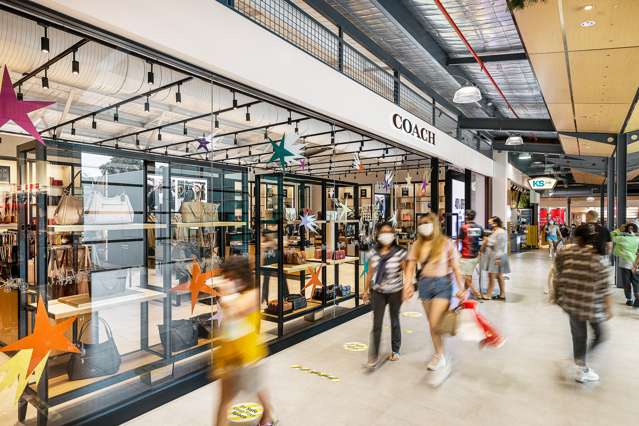
The outlet, now owned by Australian property giant Lendlease, remains popular with shoppers looking for value. Photo / Alex Burton
Bougen, who at the time leased shopping centres all over New Zealand, thought: “There’s something in this.”
When he got back to New Zealand, he went for lunch with Gary Gwynne, the founder of Rodd & Gunn, who, as it turned out, had also been in the States. “We both said, ‘I’ve got the best idea’, and the next moment we both said, ‘Factory outlets’ and looked dumbfounded at each other.”
The meeting, Bougen told OneRoof, led to the birth of Dress Smart, which first opened its doors 30 years ago this month on the site of the old 3 Guys supermarket in Auckland’s Onehunga.
Bougen said the supermarket had been shut down because the car park was so steep that “if somebody took their hands off the shopping trolley, it used to career down and go through the front door of the supermarket”.
“That was the main reason they closed it, but for us it was perfect because we didn’t have trolleys.”
Discover more:
- Fast flip: Dress Smart villa sells for $200,000 more after just two months
- Million-dollar Maccas run: McDonald's for sale - free Big Macs not included
- 'Scammed themselves': Kāinga Ora slammed over Dixon St deal after $3m flip
Bougen and Gwynne broke new ground with their outlet, which initially consisted of 20 stores, including Rodd & Gunn. In America, factory outlet centres are usually located out of town, but Onehunga was in the middle of Auckland, and handily on route to the airport.
Bougen highlights another key difference. Dress Smart wasn’t an outlet for bargain hunters, but a place for shoppers who were “value aware”, explaining that a bargain is something a store wants to get out the door fast, but good value is paying $800 for a designer jacket that normally retails for $2000.
Back in the 1990s, the focus was on making sure the perception of value was maintained, so they set up with a minimum of 70% off, which they policed, and while the hours have extended to 6pm, back then they opened at 10am and closed at 4pm because shorter hours meant it was cheaper for tenants to operate.
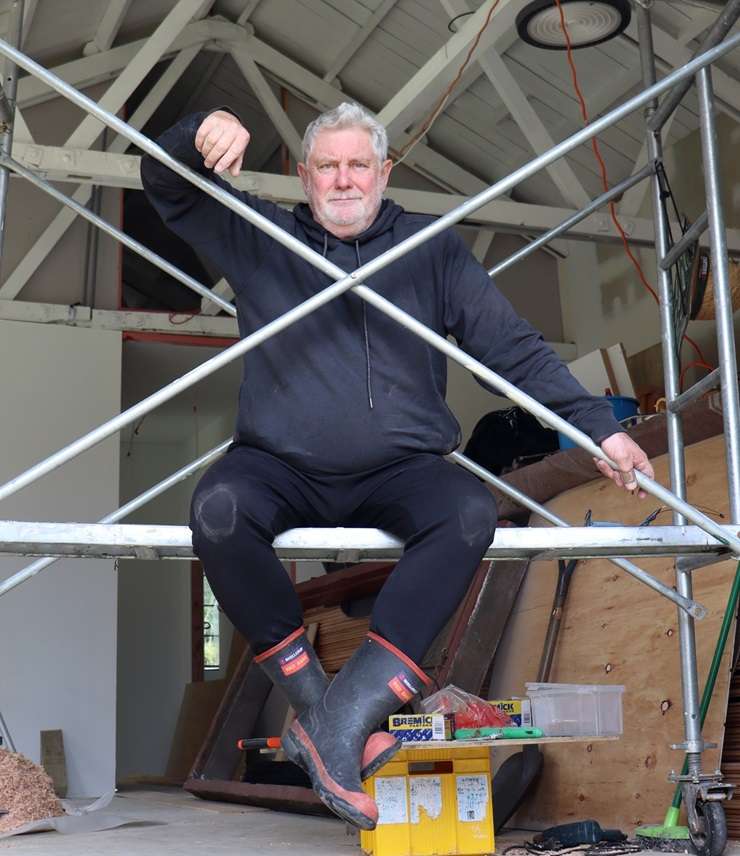
Dress Smart founder John Bougen in his new home of Reefton, in the South Island. He says he still gets calls about the Auckland outlet centre. Photo / NZME
The day the centre opened was a day Bougen will never forget. He knew the idea was terrific but there were nerves – after all, he’d sunk everything he had into the concept and would be “ruined” if it failed.
But people came in their hordes.
“We blocked traffic right back to the motorway. I decided I was going to go and be a traffic monitor in a white coat. I don’t know why. I thought it would be helpful.
“After about five minutes, I’ll never forget the look of absolute aggression on the face of this woman who was trying to get a park because she wanted to go to Dress Smart and she actually gunned her vehicle at me, at which point I threw myself to the side and said, ‘That’s it, they can bloody park themselves’.”
He went back inside and watched a sea of shoppers come through the doors. The first 20 shops were so successful that Bougen and Gwynne brought in more retailers and expanded the outlet.
In 30 years, there have been more than 60 million visits, and the centre has made more than $2.5 billion in sales.
More than 100 brands reside there, of which 34% are Kiwi brands. Jewellery store Pandora, originally from Denmark, opened there this year, as did Mirrou and Bivouac.
Four of the original stores remain: Just Jeans (which has added other stores under other names), Max, Michael Hill, and Rodd & Gunn, originally called Outdoor Heritage.
The other original stores were Andrea Biani, BB’s Café, Body Shop, LWR (later called Canterbury), Country Road, Esprit, Fayreform, Keith Matheson, Mellencamp, Nautica, Overland, Pumpkin Patch, Remo, Thornton Hall, Underground, and Underwear Club.
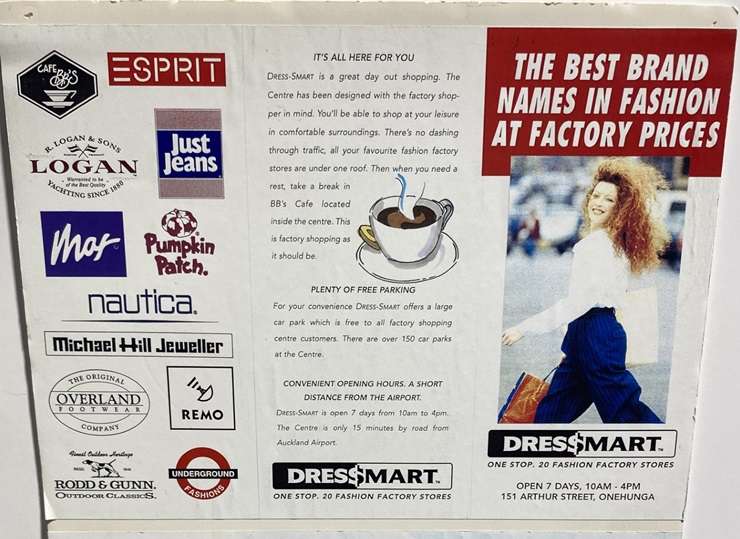
Posters inside Dress Smart highlight the store’s grand opening in 1995. Just four brands from the original line-up still operate from the outlet. Photo / Supplied
Mark Schiele, the CEO of Oyster Property Group, which manages Dress Smart, said in a press release that the centre remained as focused as ever on value, with all leases containing provisions requiring discounting.
Gwynne, who is now a director of Oyster, said his inspiration was a family trip to Colorado in the early 1990s, where he saw a factory outlet centre in Denver.
He, too, was surprised at the sheer volume of people who arrived on opening day and while Rodd & Gunn is still in its original spot, the store is 30 times bigger.
Bougen says after the Onehunga success, they opened up a Dress Smart in Christchurch, then one in Wellington and one in Hamilton. Wellington was later sold and renamed, and Hamilton closed some years ago. Christchurch is still operating, but Dress Smart’s owner, Australian property developers Lendlease, listed the site for sale earlier this year.
Lendlease has grand plans for its flagship outlet, though. Dress Smart Onehunga is to be transformed into a three-level retail project with new shops, both local and international, an enhanced food and beverage offering, and more carparking. Construction is expected to begin this year.
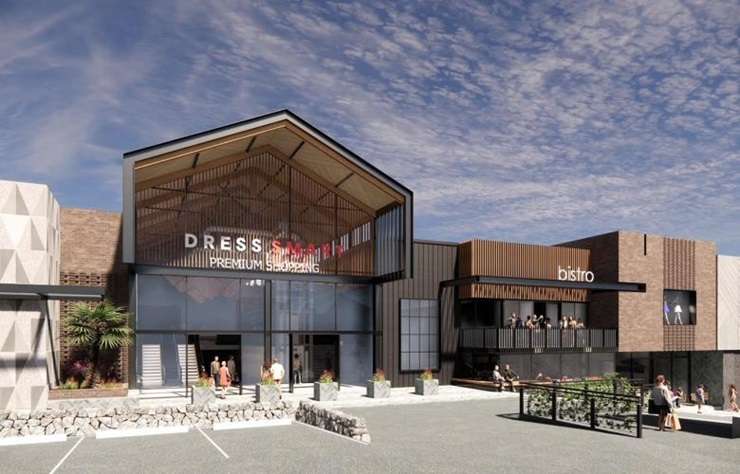
Lendlease announced plans in 2023 to give Dress Smart an impressive makeover. Render / Supplied

Lendlease says it will attract new brands, both international and local, to Dress Smart. Render / Supplied
Bougen is not surprised Dress Smart in Onehunga has lasted 30 years, saying their concept inspired similar factory outlets in Australia.
“We’re really well-known around the world for our concept. Everybody was coming chasing us and, look, I still get calls today from people saying, ‘Why don’t you put a Dress Smart into a town with 100 people in it?’.”
However, population was the key to Dress Smart’s success, he says. “In those days, we worked out you needed a base population of half a mil.”
That means it’s unlikely Bougen’s adopted home of Reefton, population about 900, is going to get a Dress Smart any time soon (“you’d be lucky if you get half a shop”) but Bougen has been behind a revamp of the town’s gold-mining heritage.
OneRoof tracked him down there via the Lavender Growers’ Association, at which he burst out laughing.
He said when former Prime Minister Sir John Key wanted to change the flag, Bougen was standing on the playing fields of an old school he had just bought, wondering what to do there. He didn’t like any of Key’s flag designs, so he decided to plant the fields in different coloured lavender in the shape of the current New Zealand flag.
“Of course, everyone just thought I was nuts, but my view was everybody needs one folly.”
A decade later, the lavender fields are probably going to be turned into a village for miners, because Reefton has again gone “ballistic” with gold mining, but in the first year of growing, he went out and bought a still to distill the lavender in the town’s old mining workshops.
They thought they had a great product so they joined the Lavender Growers’ Association and sent in their lavender oil for judging.
“They came back and said, ‘That’s the worst sample of lavender we have ever had, don’t send anymore until you’ve learned how to do it’.”
Housing in Reefton is still among New Zealand’s more affordable – but Bougen says the town is booming and there has been a 350% increase in house values since he arrived 10 years ago.
- Click here to find properties for sale