
A first home with a tired bathroom and a dated kitchen can be tempting. Buy it, do it up, get ahead. But what happens to the budget once the work begins?
For Fletcher Living’s design and planning manager, Sidney Leong, those less obvious costs are familiar. His own 1980s house has ageing water pipes that have already caused problems.
“We’ve had a couple of leaks in our ceiling,” he says.
Start your property search
For now, he's chosen to repair individual leaks as they occur rather than replace the pipework throughout the house.
“It's actually quite hard to fix it for the entire house... it's quite a lot of work from a builder's perspective,” he says.
Ageing pipes aren't the only problems he's encountered.
Leong also discovered the risk of alterations made by a previous owner. Work that initially appeared relatively low-risk became a problem a few winters later, when sealant deteriorated and rain found its way into a bedroom.

For first-home buyers, there’s a big difference between spending money on improvements they want and repairs they never saw coming.
Even the improvements buyers plan for can involve more work than they expect.
Leong points to bathrooms; replacing an acrylic shower with a tiled one might seem straightforward, but there’s waterproofing to consider, with the cost of tiling, plumbing and installation.
A standard bathroom renovation can cost $20,000 to $35,000, according to published renovation guides, with Auckland estimates reaching $45,000.
In an older home, it also pays to budget an extra 10-15% for surprises. Moving plumbing or uncovering hidden damage can quickly eat into money earmarked for the rest of the house.
“Costs can really balloon out of control,” Leong says.
And then there’s the disruption. Renovations can take longer than expected, particularly when unforeseen structural issues or ground conditions force changes to plans.
“It can be a very stressful time, especially if you’re living in it at the same time,” Leong says.
For buyers hoping to make money from a do-up, those extra costs leave less room for profit.
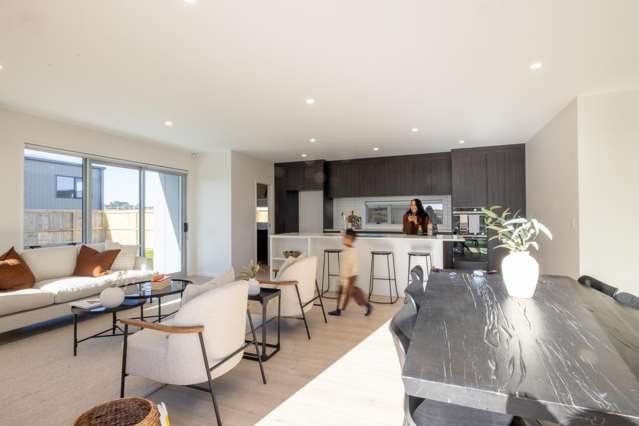
In a completed new home, the kitchen and bathrooms are already finished. Buyers can see whether the layout, fittings and finishes suit them before committing.
Leong says buyers of newly built homes also have the reassurance of construction records and inspection approvals, which can be harder to obtain for older properties.

One of the less obvious advantages of buying new is what's built into the home from the outset. Changes to the Building Code introduced between 2022 and 2023 raised minimum insulation requirements, helping make newer homes warmer and more energy-efficient.
The Ministry of Business, Innovation and Employment (MBIE) estimated the improvements could reduce the energy needed for heating by around 40% compared with previous standards, although actual savings depend on the home and how it is used.
Older homes can also be warm and comfortable, but achieving the same level of insulation may require substantial upgrades and additional expense.
For Tito and Nel Molinyaw, the difference became apparent when they moved from an older Henderson property into a new Fletcher Living home at Park Green in Karaka.
Tito, a GIB stopper by trade, was struck by the construction quality.
“You cannot compare it with a house that was built decades ago, it is completely different,” he said.
The warmth stood out, too.
“The house is fully insulated and came with a heat pump in the lounge,” Tito said. “Inside the house it stays cosy – I just wear normal clothes – but as soon as I step outside, I feel the cold.”
Buying new doesn’t mean saying goodbye to maintenance. Gutters still need clearing, roofs need checking and, eventually, even a new home will need repainting. But major replacement costs may be years away.
Leong remembers receiving a folder of information when he bought his first home and struggling to work out what maintenance was needed to keep everything in good condition and protect the warranties.
Fletcher Living places importance on helping buyers understand how to look after their new home. A walkthrough before handover and a follow-up visit in the first 30 days of living in the new home by the customer care team covers maintenance requirements, with written guidance and a customer-care team available for ongoing questions.
“Now you’ve got a clear list and someone that walks you through what maintenance actually looks like,” he says.
An older home might still be the right choice. But before deciding it's the cheaper option, buyers need to consider what it could cost to turn it into the home they want.
Want to skip the risk and hassle of an older home? Take a look at Fletcher Living’s range of low-maintenance new homes at fletcherliving.co.nz