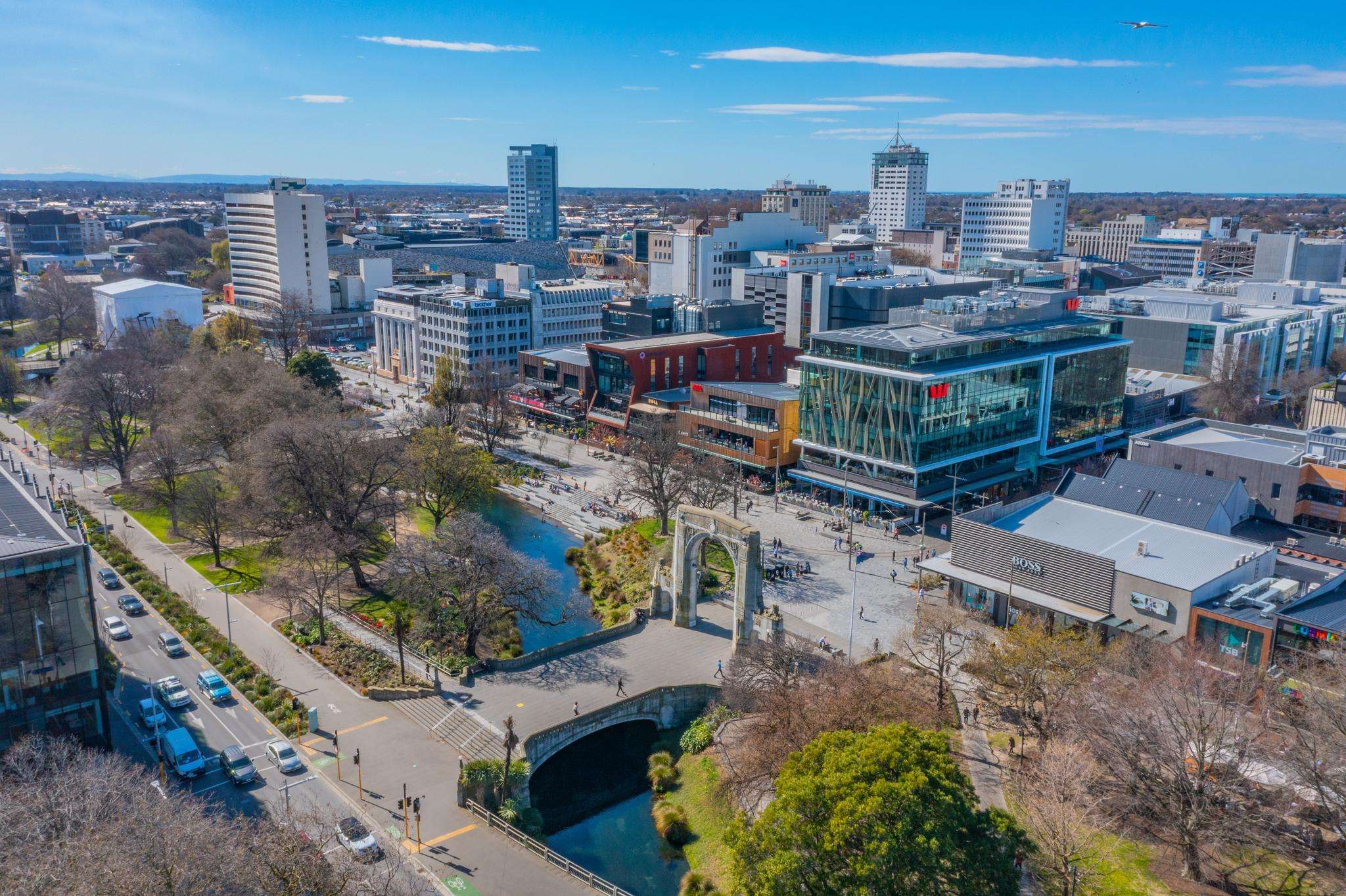
Opportunities abound for investors eyeing the Christchurch market, as the resurgent CBD offers points of difference, while industrial supply struggles to keep up with demand creating attractive entry points compared with other cities.
Analysis by Colliers Christchurch reveals a maturing commercial property investment environment.
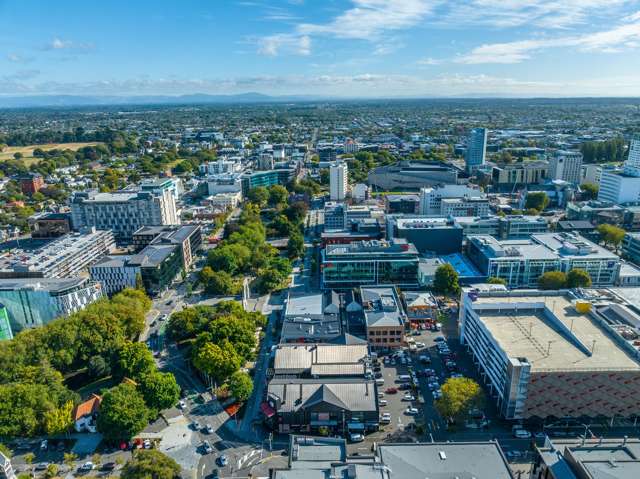
What has emerged from the post-quake rebuild is a comprehensively planned, modern city centre with contemporary buildings, excellent amenity, walkability, and integrated green spaces – increasingly recognised globally as something unique.
Supporting this transformation is a pipeline of centrally located major infrastructure, including Te Pae convention centre, the reopened Court Theatre, the upcoming Te Kaha Stadium, Parakiore aquatic and leisure centre, and expanding hotel capacity.
Start your property search
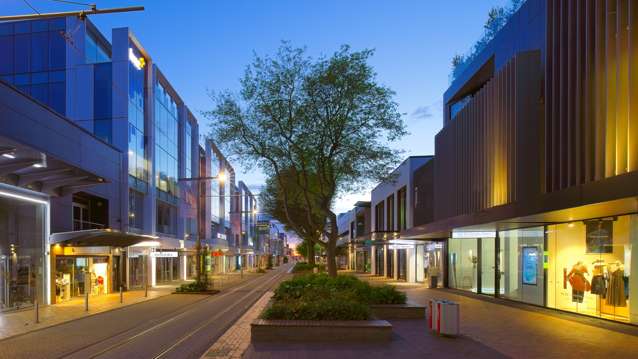
Retail sector investors can set aside the broader national headwinds when considering Christchurch’s CBD retail precinct, according to Colliers Christchurch Investment Sales Broker Marius Ogg.
It has achieved its lowest vacancy rate since the rebuild at just 5.6 per cent as the central city’s transformation continues.
The outlook for the next 12 months is for continued gradual improvement in occupancy, further rental growth on prime sites, and sustained interest from quality retailers.
“The cumulative effect of the infrastructure developments is a CBD that now offers vibrancy and reasons to visit beyond traditional retail transactions,” Ogg says.
“Christchurch’s retail precinct is now offering something genuinely differentiated in the New Zealand market.”
Interest is growing from both established domestic retailers and international operators, with several anchor tenants now reporting their Christchurch stores trading at or above national network averages – a marked improvement from post-earthquake years.
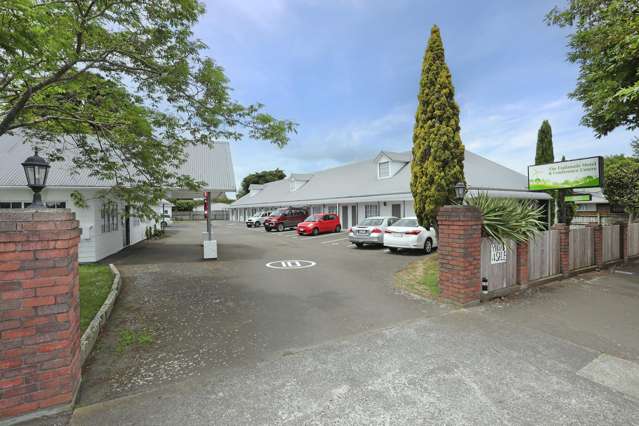
Additionally, the office investment market is in a healthy transitional phase, with new supply representing long-overdue choice for occupiers and genuine quality competition, which is attracting occupiers from outside the CBD.
“Christchurch is arguably offering better yields than Auckland or Wellington for comparable risk profiles,” Ogg says.
“For investors with conviction in Christchurch’s trajectory, the current phase represents compelling entry points before the market fully reprices to reflect the new reality.”
Brynn Burrows, Director of Commercial Leasing at Colliers Christchurch, says the city is bucking the national trend with large and medium-sized enterprises growing.
“The ‘southern drift’ concept is not just wishful thinking – companies and government departments are receiving strong interest from existing employees to relocate here because of the attraction of our lifestyle and affordable housing,” Burrows says.
“I see the positive demand for office space continuing for at least the next two to three years as the CBD is developed out to full maturity.
“There’s significant scope for rental growth given that current rents are lower than Wellington and Auckland.”
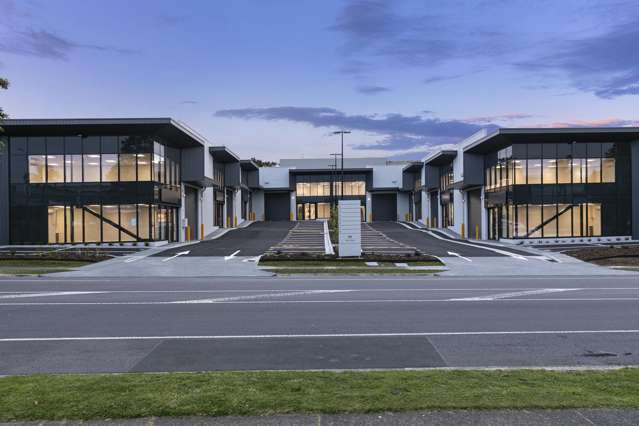
The standout performer in the Christchurch market is the industrial sector and the dynamics remain extremely sound, Ogg says.
Continued upward pressure on land values, sustained high occupancy levels, and further rental growth as new supply struggles to keep pace with underlying demand create a positive outlook for the next 12 months.
“For investors and developers with patient capital and the ability to navigate consenting processes, Christchurch presents one of New Zealand’s most significant industrial property investment opportunities.”
Sam Staite, Director of Industrial at Colliers Christchurch, says: “Christchurch offers meaningfully better land acquisition costs, while accessing similar covenant quality and growth dynamics – a persuasive value proposition for investment and development capital seeking industrial exposure.”
Land values have appreciated significantly from previous levels, yet they remain dramatically below Auckland equivalents of $1,000 to $1,500 per square metre, Staite says.
Several significant developments are progressing through private plan change processes.
“These projects represent substantial future inventory, but the long lead times required to bring industrial land to market, and the substantially higher increased land values due to the significant cost of completion of such projects, will ensure that tight market conditions will persist,” Staite says.
The Colliers Christchurch research has been undertaken for more than 30 years and was presented at the Property Council New Zealand’s annual Market Summit recently.
- Supplied by Colliers