ANALYSIS: With the status of hostilities in the Middle East changing and oil prices falling, the worst-case scenario for a lift in New Zealand inflation now seems unlikely. Petrol prices have already retreated, with more drops to come, given that part of the settlement the US is having to accept involves the unrestricted flow of Iranian oil.
Even though the immediate situation facing the Reserve Bank still looks ugly for much of this year, the odds of fresh turmoil have shortened and that changes the outlook for interest rates. Before the memorandum of understanding between the US and Iran was signed, the consensus was we'd get a 0.25% lift in the official cash rate on July 8. Now it looks like the first rise for this cycle will be pushed back.
As noted here many times before, the Reserve Bank has a bias towards tightening monetary policy late in each upward leg of the inflation cycle, and then, unfortunately, tightening too much when it gets scared. It will likely seize upon the excuse of a change in the outlook for oil prices to hold off hiking the OCR until its September 2 review.
For borrowers, this is clearly good news, and with wholesale interest rates having fallen a bit in recent weeks, banks are no longer under pressure to initiate another round of fixed mortgage rate rises. The question, of course, is whether this will spur the housing market into life. Probably not.
Start your property search
Discover more:
- Tony Alexander: End of the line for Auckland's house price slump
- Neighbouring mansions on rich-lister street snapped up for almost $24m
- Sole bidder snaps up Auckland party house, says no to 'free' Lamborghini
The direction for interest rates remains upward, and unless that effect is offset by a strong lift in employment as part of the strengthening economic cycle, then restraint on home purchases will continue.
So, will the employment market pick up?
New Zealand's economy has grown by 0.9%, 0.5%, and 0.8% over the past three quarters, which is quite healthy, but businesses are still largely fixated on two things: cutting costs and the risk that the economic recovery disappears again.
The cost-cutting is driven by the fact that, in recent years, most costs have soared and margins have shrunk. There are still discussions about redundancies, although I suspect most firms have already trimmed staff numbers to the bone, and any further reductions will require outright downscaling of one’s business footprint.
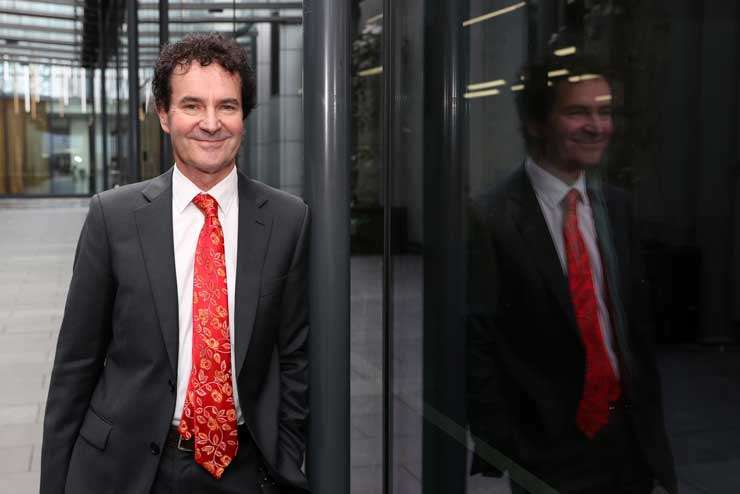
Independent economist Tony Alexander: "Banks are no longer under pressure to initiate another round of fixed mortgage rate rises." Photo / Fiona Goodall
And the perceived risk of another economic downturn? Maybe those worries will now dissipate a bit. But there remains considerable caution amongst employers about what may happen at this November’s general election, and there are growing worries about the performance of our key trading partners, China and Australia.
This suggests that although job numbers are likely to grow, the gains will be modest at first before potentially becoming strong over 2027-28. That, in turn, implies that feelings of job security will remain relatively weak this year.
The upshot is that until we get a strong lift in employment confidence - perhaps next year - then rising borrowing costs will remain the dominant force for the rest of this year. For potential house-sellers, the message remains as it has been for the last three years: if you want to move your property, you’re going to need to give ground because buyers can pick and choose in most locations – except a few like Queenstown.
- Tony Alexander is an independent economics commentator. Additional commentary from him can be found at www.tonyalexander.nz