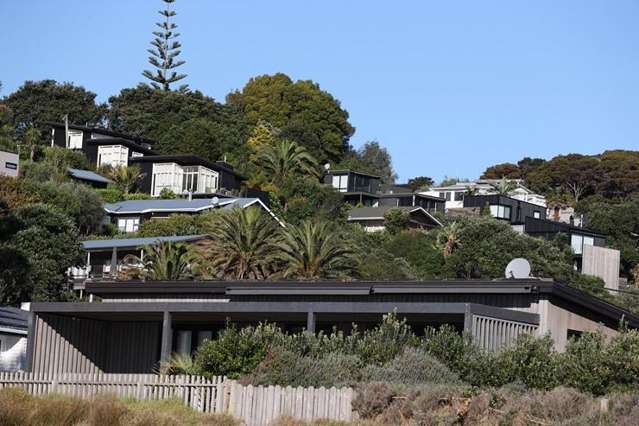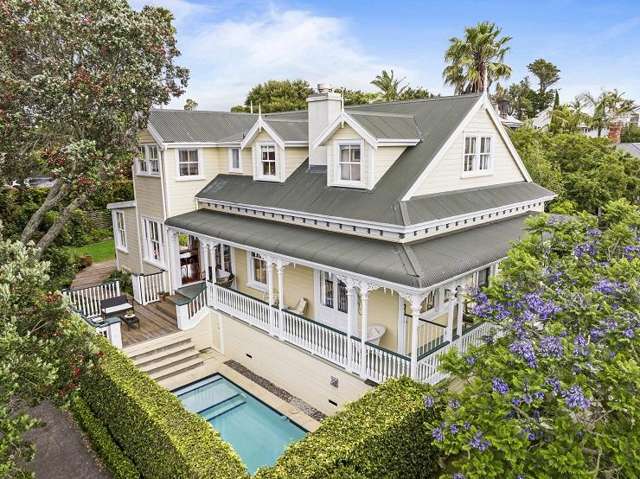
- Rising property prices have pushed over 100 suburbs into the million-dollar club in five years.
- Canterbury saw the most growth, with 38 suburbs reaching the $1m mark.
- Auckland’s average property value decreased annually but showed a slight recovery in recent months.
Rising property prices, mostly in Canterbury, have helped to push over 100 suburbs and towns into the million-dollar club in the last five years.
Start your property search
Analysis by OneRoof and its data partner Valocity identified 130 suburbs where the average property value crossed the $1m mark and remained there in the five years since January 2021, including nine that did so in the last 12 months.
Canterbury recorded the highest number of suburbs joining the symbolic club, with 38 across metropolitan and regional areas.
The analysis also noted rapid price growth in Waikato, where the average property value in 24 suburbs crossed the seven-figure threshold; Bay of Plenty (17 suburbs); Northland (13 suburbs) and Otago (nine suburbs).
There are now more than 400 suburbs and towns across the country with an average property value of $1m or more, up from 305 in January 2021 and 231 just before Covid struck.
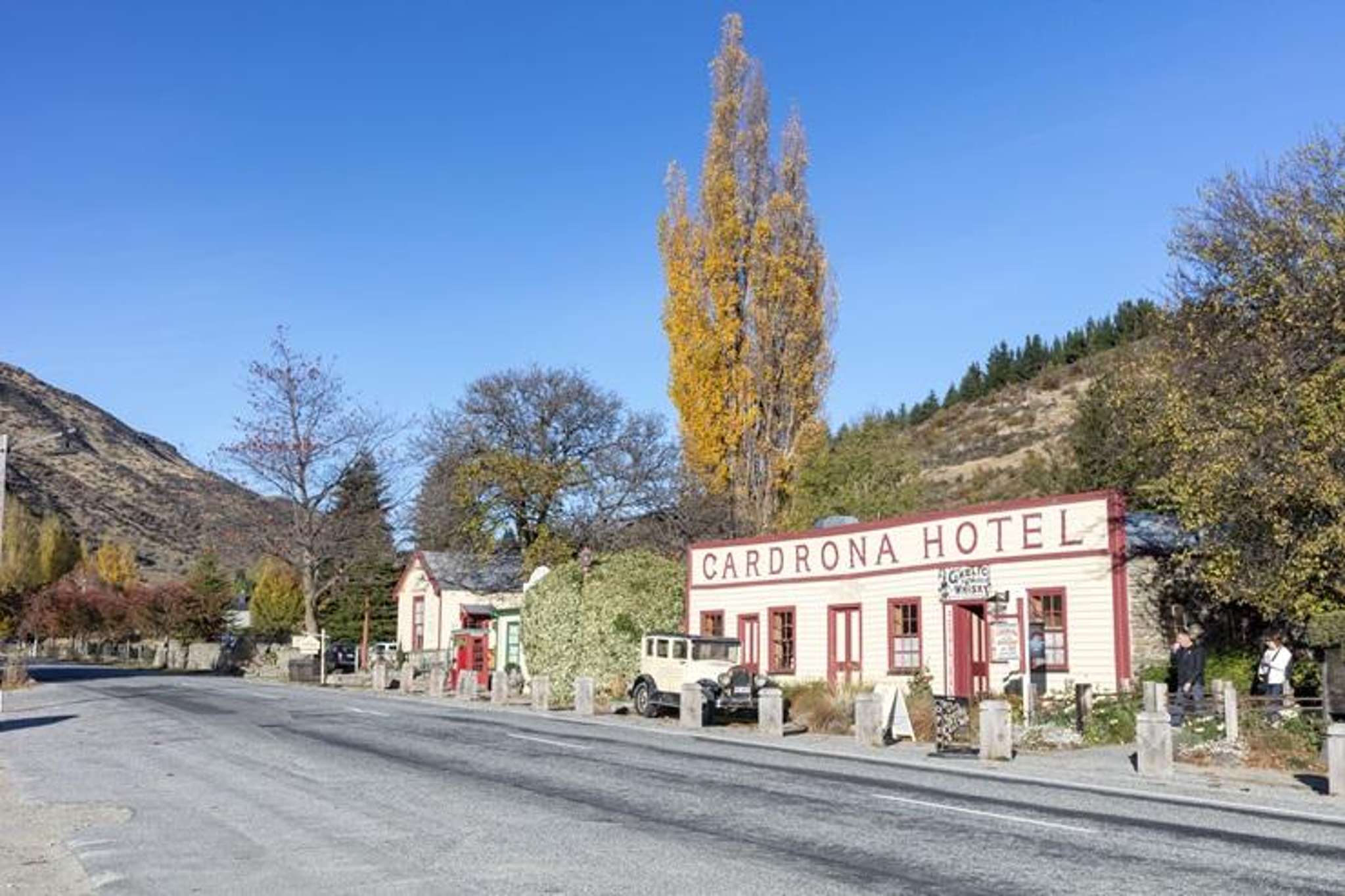
The biggest leaps into the $1m club in the last five years were in Cardrona, in Queenstown-Lakes (up $669,000 to an average property value of $1.62m); and Cracroft, in Christchurch (up $512,000 to an average property value of $1.278m).
The analysis also identified some big jumps into the uppermost echelons of the housing market. Of the 1214 suburbs with 10 or more settled sales in the last 12 months, 41 have an average property value of more than $2m - nine of whom have an average property value of above $3m.
Five years ago, there were 25 suburbs in the $2m-plus club, and just before Covid struck, only 14 suburbs had an average property value of above $2m and one, Herne Bay, had an average property value of above $3m.
Discover more:
- Tony Alexander: Desperate landlords, rising prices and early rate hikes - 2026's nasty surprises
- 'He's losing money': Stressed investor lists six Viaduct apartments at less than half price
- Home staging queen selling her $3m townhouse – and is throwing in her stylish furniture
Auckland and Queenstown-Lakes dominate the list of new arrivals, with Langs Beach in Whangarei, Pauatahanui, in Porirua, Tamahere, in Waikato, and Oriental Bay, in Wellington, the only suburbs outside of those two centres.
Currently, Waiheke Island, with an average property value of $3.69m, is the country’s most expensive suburb, but Arrowtown and Lake Hayes, in Queenstown-Lakes, and Omaha, on the northern fringes of Auckland region, have seen the biggest price jumps in the last five years, rising by $1m or more.
According to the OneRoof-Valocity data, 32 suburbs have fallen out of the $2m club in the last five years. The majority are in Auckland, although the sharpest falls since market peak were in Wellington, with the average property value in Karaka Bays, Kelburn, Seatoun, and Roseneath tumbling by more than $590,000.
The shine has also come off several blue-chip Auckland suburbs, including several that were running hot during the boom. Buyers looking in Meadowbank, Grey Lynn, Bayswater, and Point Chevalier can find good options for less than $2m, although some of the drops in value have more to do with the proliferation of townhouses in these areas than the suburbs themselves falling out of favour.
The analysis also identified 152 suburbs, mostly in the Wellington Region, where the average property value has dropped below $1m since market peak. Of the 87 Wellington Region suburbs that had an average property value of $1m-plus at the end of 2021, only 20 remain.
Thirty-seven Auckland suburbs tumbled out of the $1m club. The biggest discounts were in Point England, Penrose and Kelston, although a glut of unsold or lower-value townhouses in these suburbs may be the biggest driver of lower prices.
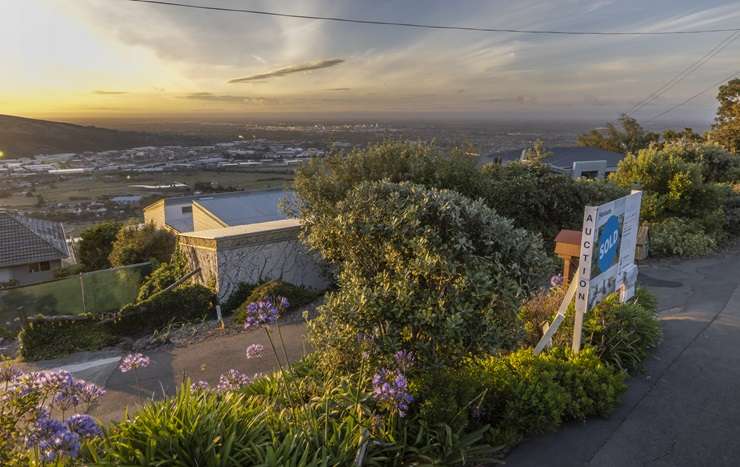
The average property value in the Christchurch suburb of Mount Pleasant has jumped from $802,000 to $1.234m in the last five years. Photo / Peter Meecham
The analysis also found fewer spots where houses can be bought outright for the price of a typical Auckland deposit. Just before Covid struck, there were 12 suburbs with an average property value of less than $200,000.
Five years ago, the number was 10; a year ago, it was just one. Now there are none, with the country’s cheapest housing market, Murupara, in Whakatane, sporting an average property value of $221,000 - less than half of the average property value in Auckland’s cheapest suburb, but still almost double what it was in 2020.
The latest OneRoof-Valocity house price figures point to a sluggish summer for much of the market, with the nationwide average property value up by just 0.6% to $964,000 in the three months to the end of January. That’s slightly below where it was in January 2025 and January 2024, and 12% below its peak value of $1.09m four years ago.
New Zealand house prices rose fastest in West Coast over the quarter, with the region’s affordable housing attracting outside buyers. The average property value there rose by 1.8% to $499,000 - still very much in the sweet spot for first-time buyers and investors.
Affordability appears to be the major driver of growth at a district level as well. Up by more than 3% over the quarter were Waitomo, Southland, Westland, Kawerau, Opotiki and Lower Hutt. All six have an average property value of less than $800,000.
Dunedin was the country’s best-performing major metro for price growth, with the city’s average property value up by 2.9% ($19,000) to $681,000 in the last three months. Hamilton’s house values were similarly buoyant, rising by 2.3% ($18,000) over the same period to $818,000.
Annual growth was strongest in neighbouring Queenstown-Lakes, with the wealthy enclave’s average property value rising by 4.1% ($83,000) to $2.117m on the back of rising demand, low stock and renewed interest from foreign buyers.
Auckland’s average property value was down by 3.3% (-$43,000) annually, but figures from the last three months suggest the city has turned a corner, with the average property there up by 0.3% to $1.265m.
Wellington’s housing market suffered steeper price drops in 2025 - its average property value fell year-on-year by 6.2% (-$61,000) to $930,000, and dropped by 1.2% (-$11,000) in the three months to the end of January.
Price growth appeared to have slowed in Tauranga and Christchurch over the summer, with both recording rises of less than 1%. However, property values in the two cities are around 3% higher than a year ago, which suggests prices will climb faster once the 2026 market kicks off properly in February.
The biggest quarterly increases were in Murupara, in Whakatane (up by 7.8% to $221,000); Great Barrier Island (Aotea Island), in Auckland (up by 6.4% to $958,000) and Ohai, in Southland (up by 6% to $229,000).
The biggest dollar gains over the same period were in Omaha, where the average property value jumped by $131,000 to $3.15m; Takapuna (up by $85,000 to $2.19m) and Waiheke Island (up by $71,000 to $3.69m).
Of the 929 suburbs with 20 or more settled sales in the last 12 months, 590 recorded property value growth over the quarter, with prices in 77 reaching new heights.
The big unknowns for property prices this year, though, remain the general election, which will take place on November 7, the impact of extreme weather events, and the growing likelihood of an earlier-than-expected hike in the Official Cash Rate from the Reserve Bank.
- Click here to find properties for sale