1. The North-South divide in 2025
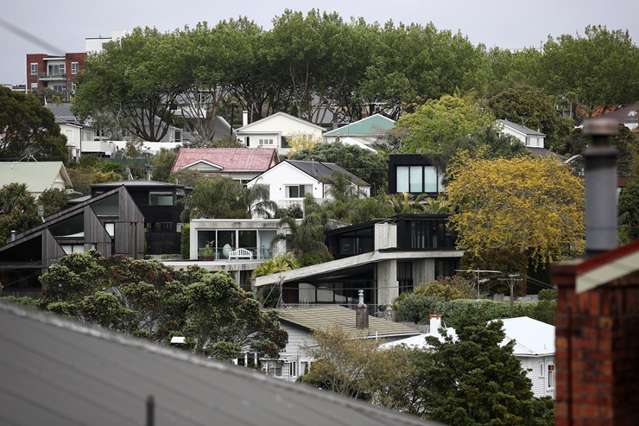
In terms of property market performance this year, it’s been a tale of two islands (with apologies to Dickens). Cotality's annual housing market report card showed that many of Auckland’s suburbs feature on lists of weakest value growth in 2025 and longest time for properties to sit unsold on the market, whereas parts of the West Coast and Southland are at the opposite end of the spectrum. Affordability has played a role in property market resilience across provincial New Zealand, although the solid agricultural sector has been a support, too.
Our report from a year ago was fairly accurate in predicting 2025 would be "the year of conflicting forces", with the supportive influence of lower mortgage rates on property values offset by abundant listings and a weak economy and labour market.
So what might lie ahead in 2026? The recovering economy should see property values rise over the next 12 months, but it may only be a modest 5% or so. Regulation is likely to be a key theme; LVRs, DTIs, and plenty of discussion about property taxes in an election year. Rates loom large too; do people fix longer, and which bank? Recent upward pressure on some mortgage rates as a result of rising wholesale rates is certainly something to keep an eye on, too.
Start your property search
2. Resource Management Act changes add to a cautious house price outlook
It’s still a bit early to have fully digested the swathe of changes that the Government is proposing to the RMA, but one thing’s pretty clear – if this can stick through the political cycle, then developing new housing and also renovating/improving older properties will get easier, and cheaper than it otherwise would have been. In addition to other considerations – such as potentially a more restrictive tax system in future – better land supply is another reason to think house price growth will be lower in future than it's been in the past.

Cotality chief economist Kelvin Davidson: "The recovering economy should see property values rise over the next 12 months, but it may only be a modest 5% or so." Photo / Peter Meecham
3. Net migration seems to be rising, albeit from a low base
Stats NZ data show that we had net migration into the country of around 11,900 people in the year to October, up from a trough of 8,700 in August and the highest figure since March. The NZ citizen net balance remains low (with departures still high), but there are hints that non-citizen arrivals have perked up and departures are drifting lower. This tends to happen when our labour market begins to improve relative to Australia. Of course, net migration remains low, and the data can be significantly revised too. In other words, I’d be cautious of suddenly concluding that we’re starting the next migration boom or that property rents are going to get out of their weak patch in the near term.
4. Inflation still easing?
On Tuesday this week, Stats NZ will publish their selected price indexes measure for November, a monthly inflation indicator which covers about 45% of the benchmark quarterly CPI. It’s likely to still be trending lower, but given it covers some volatile items such as food, airfares, and petrol, it can be jumpy from month to month. No doubt the Reserve Bank and financial markets will be watching.
5. And the economy finally growing?
Then on Thursday, it’s Q3 GDP from Stats NZ. True, it relates to a period that finished ages ago (three months to September), but it’ll still get plenty of coverage. At this stage, it looks like we may see a solid 0.7% rise (or so) in the Q3 figures, and potentially even Q2’s estimate of a 0.9% fall being revised to something less weak. The data we have so far for Q4 has also looked better. In other words, the recession seems to be over and the prospects for the economy in 2026 are positive.