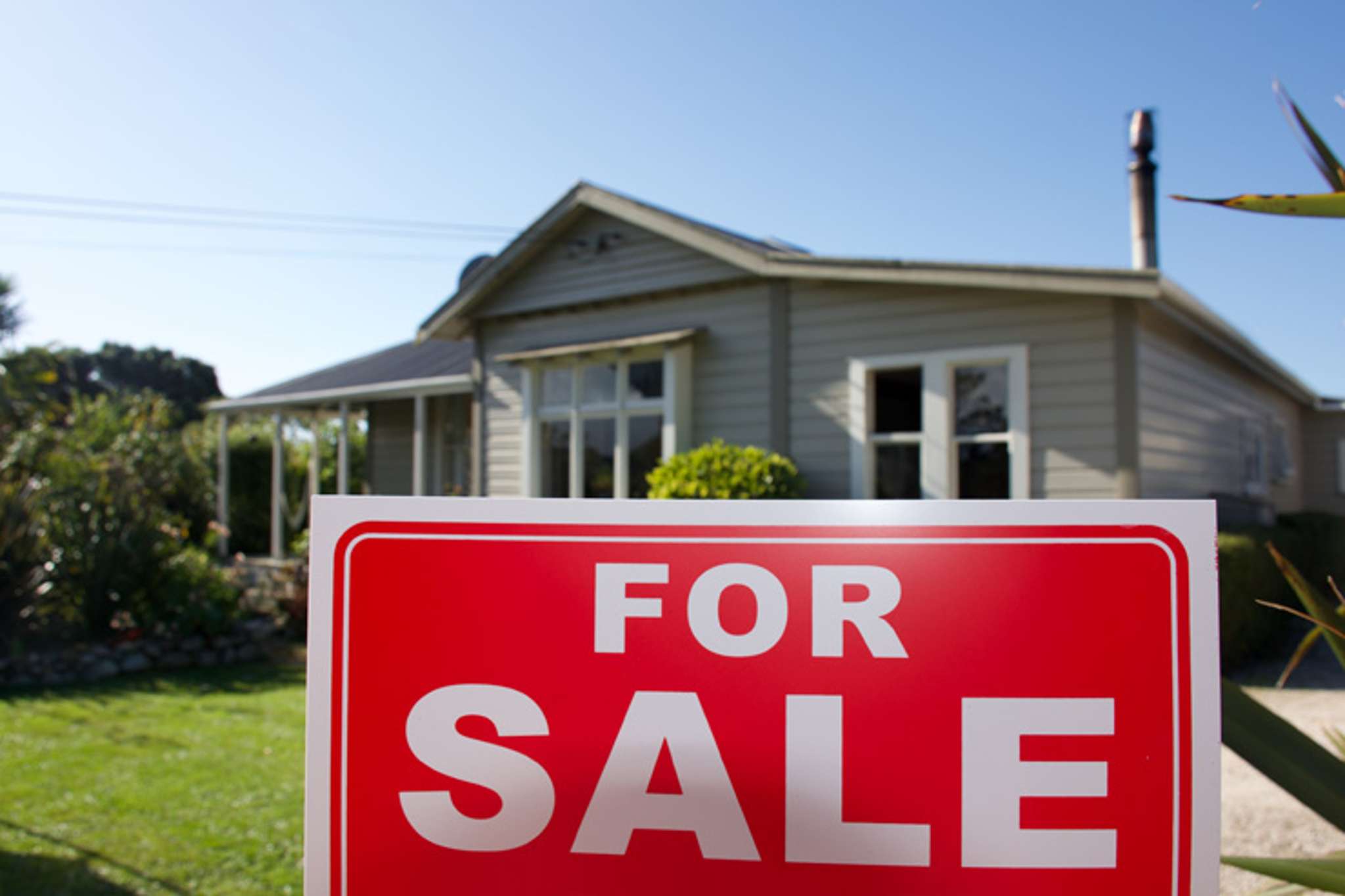
If you want to buy your first home, it is important that you have a realistic budget from day one. It’s the first step in working out how much you can afford and how much the bank is likely to lend you. A budget also helps you focus on the right houses.
What this guide includes
1. How to set a realistic budget for your first home
2. Understanding your true financial position
3. Working out how much you could borrow
4. Working out how much you need for a house deposit
5. How much it could cost to buy your first house
6. Using a mortgage broker
7. Common budgeting mistakes to avoid
1. How to set a realistic budget
Start your property search
The first step in working out how much you can afford and how much the bank is likely to lend you is to crunch the numbers. This helps you set a realistic budget and focus on the right houses in your price range.
As a first home buyer, it is important to note the difference between the maximum the bank is willing to lend you and what is a comfortable long-term budget. When banks assess whether they will lend to you, they use a test interest rate which is higher than the actual interest rate. This helps ensure you can afford the mortgage if interest rates go up.
What banks won’t take into consideration is what’s comfortable for you and your lifestyle in the long-term. If you want to start a family, renovate your new house or change jobs, your day-to-day budget will change.
Setting a budget that is below the bank’s maximum approval will reduce your risk if something happens, like you lose your job or become sick and can’t work.
The mortgage term is another aspect to consider. Most first-home buyers take out a 30-year mortgage because the repayments are lower than shorter mortgage terms. However, the longer the mortgage term, the more interest you will pay in total over the lifetime of the loan.
If you can afford to, it is worth budgeting for higher repayments or a shorter loan term (25 or 15 years).
Stress test your budget
Don’t forget the additional ongoing costs of owning your own home: insurance, repairs, rates, and body corp fees. Even your utility bills could cost more depending on where and what kind of home you buy. Note that these costs can vary across New Zealand: if you’re renting in regional New Zealand and are making the move to Auckland, these may cost more.
Other budgeting considerations include:
> Cost-of-living increases
> Interest rate rises
> Maintenance costs
> Unexpected repairs, such as a boiler breakdown
> Building up your emergency fund to better cover your new, likely higher, cost of living
When calculating a budget for your first home, take this into consideration. The bank’s limits for you may be higher than a smart personal limit that leaves a buffer for future lifestyle changes.
2. Understanding your true financial position
Comparing your total average monthly spending, including any debts and liabilities, against your total income will help you understand your true financial position.
Most banks have affordability calculators, which crunch your income and spending to determine how much you can comfortably pay each fortnight or month.
Using online tools like these is a useful way of understanding your true financial position. When you submit an application form for a bank loan, you’ll need to provide information about your income and living costs, such as:
> Your net household income (your income after tax)
> Fixed expenses (rent, student loan debt, childcare, insurance)
> Variable expenses (food, transport, clothes and lifestyle)
> Existing debts and liabilities (car loan repayments)
Under the Credit Contracts and Consumer Finance Act (CCCFA), lenders are required to ensure the home loan is affordable for the borrower. While home loan providers no longer scrutinise every line of your bank statement, they will look at your spending trends. There’s no need to worry about the occasional takeaway coffee purchase, but regularly going into your overdraft will be scrutinised.
While banks and lenders won’t scrutinise your bank statements in detail, it may be a good idea for you to do this yourself. Go over three to six months’ worth of statements and categorise your spending across fixed/essential expenses and variable expenses.
If you are buying your first house with another person, you can combine your income and any shared expenses to understand your joint financial position.
3. Working out how much you could borrow
How much you can borrow for a mortgage comes down to how much the bank believes you can repay comfortably. Lenders want to be sure you can repay your home loan and have enough money to live on.
The debt-to-income ratio (DTI) is the amount you can borrow according to your income. In most cases, owner-occupiers have a DTI limit of six, and investors seven. For example, if you are an owner-occupier and your joint annual income is $150,000, and the DTI is six, then you can only borrow a total of six times $150,000, which is $900,000.
Lenders may also use a different method to calculate your maximum borrowing power, such as:
> Ensuring your loan repayments are less than 40% of your gross income
> A ‘UMI’ (uncommitted monthly income)or a minimum surplus amount left over each month after living expenses and loan repayments
It is not possible to borrow 100% of the cost of a property. The loan-to-value ratio (LVR) is the percentage the bank is willing to lend compared to the value of the property. So, if the LVR is 80%, you need a 20% deposit. This means that if the property costs $800,000, the bank may lend you $640,000 and you’ll need to pay the remaining $160,000 as a deposit up-front.
Be aware that online calculators letting you know how much you can borrow are designed to help you make quick calculations. Talking to a mortgage adviser can help you find a suitable lender, as well as understand issues such as consumer debt and suggest ways to increase the available surplus you have for mortgage repayments. Their services are usually free.
As you begin your house hunt, you can also gain ‘pre-approval’ from your lender for the maximum amount they are willing to lend you, enabling you to look for houses with a clear budget.
Tips for supplementing income
Often, first-home buyers will seek to supplement their income to help cover the mortgage repayments by:
> Buying jointly: Buying with two incomes is usually easier than one. If you are applying for a joint mortgage (with a partner, family member or friend), the bank will calculate how much it will lend you based on your joint income and expenses. If the mortgage is 100% in your name, the amount you can borrow will be based solely on your income and expenses.
> Having a tenant, flatmate or boarder: If you plan to live with a flatmate in your new home, you might be able to count some of the rent as income in the mortgage calculation. Be aware that lenders won’t count the entire rent paid to you as income.
4. How much will you need for a house deposit?
Once you have a realistic idea of how much you can afford and what your financial position is, it is time to work out how much deposit you will need.
The starting point for a deposit is 20% of the home’s purchase price, with the rest of the purchase price borrowed as a home loan.
In some cases, borrowers can lend up to 95% of the property’s value, but this is a big risk for the lender and the borrower. Most lenders charge a low-equity premium or mortgage indemnity insurance if you borrow more than 80% of the property’s value, to protect them from the additional risk. This is an extra cost to you, on top of your regular mortgage payments.
However, there are some schemes available to help first home buyers get onto the property ladder with a lower deposit. For example, with Kāinga Ora’s First Home Loan, it is possible to buy with a 5% deposit provided you meet certain income and property price thresholds.
Other first home buyer schemes to research are:
> Using your KiwiSaver
> Off-plan homes, which only require a 10% deposit
> Kāinga Whenua Loan for Māori to buy or build on Māori land
> Tenant home ownership grant for Kāinga Ora tenants
How much deposit do you have?
To calculate how much you have for a deposit, add up how much you have saved already in investments and in the bank.
If you have been part of the KiwiSaver scheme for more than three years and will be using the property as your main residence for at least six months, you can use most of your KiwiSaver savings as part of your deposit.
You may be able to borrow money from the bank of mum and dad, or, if you’re lucky, receive a gift that helps you gather sufficient deposit to buy. Note that lenders typically won’t accept deposits wholly raised from loans.
How long it will take to save for your first home loan deposit depends on your financial position, what the home will cost and how much disposable income you have left to save after you have paid for all your necessities. The deposit is not the only up-front cost of buying a house, so you will need other savings available to cover costs like lawyer fees and LIM reports.
How to improve your chances of securing a mortgage
5. How much could it cost to buy your first house?
Once you’ve worked out how much deposit you have, you will have an indication of how much you can afford to pay for a home. It is important to understand how much homes are selling for in the area you are interested in.
You can find sale prices for recently sold houses and use the OneRoof House Price Report, updated monthly on OneRoof.co.nz, to find useful data in your region.
What are the upfront costs and legal fees?
The total amount of money you need to buy a home is more than just the deposit. Upfront expenses for buying a home include:
> $1000 to $3000 for conveyancing/legal fees
> At least $400 for each building inspection
> $250 to $600 for a copy of the LIM (Land Information Memorandum), this cost varies between local councils and depends on how urgently you need it.
If a house purchase falls through and you have to start again, you may have to pay more than once for building inspections and legal fees. Your building inspector and/or lawyer can save you from buying a lemon.
In some cases, the bank may require you to get a registered valuation. For example, if you’ve found a house off-market, your lender will want to make sure the property is worth what you intend to pay for it. Registered valuations cost between $600 and $1,000.
Additional costs
Moving in also costs money. There are removal truck costs if needed, utility connection fees, and you will need to buy furniture and furnishings (unless you already own these).
The cost of buying a home doesn’t stop with moving in. You may need to budget for renovation costs, ongoing mortgage repayments, utilities bills, council rates, home insurance, and maintenance. In many apartment complexes, you will have body corporate fees to pay, which cover maintenance and insurance.
If your deposit is less than 20%, your mortgage may include additional costs such as a Low Equity Premium (LEP) or lenders’ mortgage insurance (LMI) to protect the bank.

Getting in touch with a mortgage adviser or mortgage manager will help work out what’s possible. Photo / Getty Image
6. Speaking to a mortgage adviser for professional help
When you have a clear idea of your budget, how much deposit you have saved, and you are ready to look for your first home, it may be a good time to talk to a mortgage broker.
A mortgage broker or mortgage adviser can help you when you are shopping around for your home loan. It is their job to arrange a mortgage between you, the borrower, and a bank or lender.
Most mortgage broker services are free; this is because their fees are paid for by the lender – you can ask your mortgage broker how they get paid to get a clear understanding of this. It is also a good idea to ask them if they are licensed.
Mortgage brokers have a deep insight into the industry and will know about special deals and rates from a wide range of lenders. They can help match your unique circumstances to the best mortgage for your needs.
Note: not all lender offers are available through mortgage brokers, so it may be a good idea to ask which banks and lenders they work with and what kind of home loans they can offer.
You can also approach banks and lenders directly.
Documents to prepare
Your mortgage broker, or the bank’s mortgage manager, will need essential documents to get the process started. This may include:
> Photo ID
> Current address verification
> Proof of income, this could be recent payslips, or tax returns if you are self-employed
> Bank statements
> Credit card statements
> A copy of your first home withdrawal eligibility letter from your KiwiSaver provider
Common mistakes to avoid when budgeting for your first home
> Using all your savings for a deposit: don’t forget that there are other up-front costs, like lawyer fees and building reports to pay for too.
> Ignoring the lifestyle impact: while cutting back on some luxuries may help you realise your home ownership goals, don’t presume you can happily live off the basics for the length of your mortgage.
> Underestimating ownership costs: remember to build in costs like rates, insurance and maintenance into your budget. Owning your own home can be more expensive than renting.
> Buying at the approval rating: borrowing the maximum amount you can may not leave you with enough of a buffer should something happen to change your financial position, such as being made redundant from your job.
> Skipping building reports to save money: a building report could save you hundreds of thousands in unexpected repair costs.
Buying your first home is one of the biggest financial decisions you will ever make, so taking the time to set a realistic budget is well worth the effort. By understanding your true financial position, knowing how much you can borrow, and stress testing your numbers for the future, you give yourself the best possible chance of success.
Avoid common pitfalls, save hard for your deposit, and don't forget to build in a buffer. With the right budget in place, you can move forward with confidence and find a home that works for you now and in the years ahead.
------------------------------------------------------------------------------------------------------------------------------------
>> Next steps: The OneRoof first-home buyer’s guide part 2 - Saving for a deposit
Other guides in the first home buyers series
> Three reasons why buyers should move now
> How to get a home loan
> What grants do first home buyers get?
> How to find the right property
> How the house buying process works