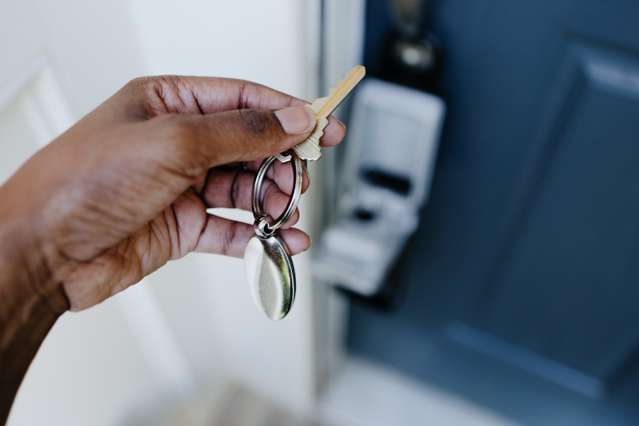
For first-home buyers, the goal of saving a 20% house deposit — or even 10% — can be a challenging one. If you’ve decided to buy your first home, you’ll need to save for a deposit and the sooner you start the better. Here are some practical tips to help you start saving.
What this guide includes
1. Working out how much you could borrow
2. Understanding deposit requirements in New Zealand
3. Making a realistic savings plan
4. Where to keep your deposit savings
5. How to reduce expenses to help you save
6. Ways to increase your income
7. Train your financial behaviour
8. Common mistakes to avoid
How much can you borrow?
Start your property search
To set your savings target for the deposit, work out approximately what you expect your first home to cost – and how much you’ll need to borrow – at the time when you’re ready to buy.
The purchase price is the total cost of the property. Research where, what size and kind of property you’d like to buy and look at current purchase prices. This will give you an idea of how much your first home could cost. Bear in mind that property prices often change and are likely to increase over time, so factor this into your research.
You cannot borrow 100% of the purchase price from a bank or lender. The deposit is the amount you’ll pay up-front to buy the property. Lenders will usually offer a loan of 80% of the purchase price, but in some circumstances, they may lend as much as 90% or 95%. This is known as your borrowing capacity or borrowing power – the maximum amount you can borrow, and this will determine how much deposit you will need.
While borrowing the maximum and using a smaller deposit may sound like an easier path to home ownership, it is not always a good idea to leverage your maximum borrowing power, as this will mean higher loan repayments. You need to be able to pay your mortgage and live a lifestyle you are comfortable with, even if your financial circumstances change in the future, for example, if you start a family or get made redundant from your job.

Important terms and factors to consider
> Loan-to-value ratio (LVR) is the size of a home loan compared to the value of the property, expressed as a percentage. For example, if the property is $1 million and the home loan is for $800,000, the LVR is 80%. This means the deposit amount would be 20%, or $200,000.
> Lenders Mortgage Insurance (LMI) is an additional fee that lenders may charge to mitigate their risk if the LVR is high – often this is over 80%. For example, if you borrow 90% of the purchase price of a property, you may need to pay an LMI of 0.25% to 2% on top of your home loan repayments, or as a one-off fee.
> The Credit Contracts and Consumer Finance Act (CCCFA) rules are designed to ensure lenders do not lend money to people who cannot afford to pay it back. Lenders are obliged to carefully assess anyone who applies for a home loan, including their debts and spending habits.
> Debt to income ratio (DTI) compares total monthly debt payments to gross monthly income. It is one of the things a lender will assess when a prospective borrower applies for a home loan.
Deposit requirements in New Zealand
In New Zealand, the often-quoted deposit amount is 20%. But this isn’t always the case – you can buy your first home with a lower deposit.
In some cases, borrowers can lend up to 95% of the property’s value, but as mentioned above, this is a risk for the lender and they may charge a low-equity premium or Lenders’ Mortgage Insurance. This is more costly for you in the long-term.
However, there are government-backed schemes available specifically to assist first home buyers. If you meet the requirements of Kāinga Ora’s First Home Loan, you only need a 5% deposit. The loan is underwritten by Kāinga Ora and issued by a supporting bank. Requirements include being a New Zealand resident and purchasing the home as your primary residence, as well as before tax income thresholds.
Other schemes are the Kāinga Whenua Loan, which is designed to enable Māori to buy or build on Māori land, and the tenant home ownership grant for Kāinga Ora tenants.
How much for a deposit?
Here’s how much you may need for your first home deposit, based on median house prices:
National median house price: $700,000
20% = $140,000
10% = $70,000
5% = $35,000
Auckland median house price: $1 million
20% = $200,000
10% = $100,000
5% = $50,000
Wellington median house price: $950,000
20% = $190,000
10% = $95,000
5% = $47,500
Canterbury median house price: $800,000
20% = $160,000
10% = $80,000
5% = $40,000
What can I use for a deposit?
Cash savings aren’t the only way to put together a deposit for your first home. Other options include:
Monetary gifts or help from family: a monetary gift can be used as part of your deposit. Note that most lenders do not accept loans and if all of your deposit is gifted to you, the lender may scrutinise your finances to ensure that you can afford ongoing home loan repayments. It’s a good idea for both parties to get legal advice before giving or accepting a financial gift.
Guarantor home loan or family security guarantee: this is where a family member can use their home equity as security for your home loan. Equity is the portion of a home that’s truly owned, or the amount that has been paid off. For example, you’ve saved $50,000, which is 5% of the purchase price. Your parents own a home valued at $1 million in which they have $250,000 equity. They offer $150,000 of this equity as security for your loan. Your parents don’t have to pay this amount, unless you default on your home loan payments, in which case they would be responsible for the guaranteed amount. Again, it is a good idea for both parties to get legal advice before proceeding with an arrangement like this, even if the guarantee is between family members.
KiwiSaver: if you have been a member of a KiwiSaver scheme for more than three years, you can use most of your KiwiSaver savings towards your first home deposit. You can withdraw all your contributions, employer contributions and government contributions, so long as you leave a minimum balance of $1,000. The funds will be paid directly into your lawyer’s trust account to be used as part of the property purchase, and you will need to apply to your KiwiSaver provider to access the funds; ask your provider how long the application process takes and don’t forget to apply for withdrawal in good time.
Combining forces with friends or family: it’s becoming more common for first home buyers to combine savings with family or friends to buy a house together. Don’t forget to make sure everyone is comfortable with the arrangement and to seek legal advice to formalise and agreements.
In an ever-changing market, there are many ways to save up for your first home deposit, and you don’t need to stick to one method – you could use a combination of these to raise your deposit more quickly

Build a realistic savings plan
Budgeting is essential for anyone who is serious about saving for their first home. It will help you prioritise spending in order to reach your goal faster.First, download your bank account, credit card and loan statements for the past three months and then categorise the spending under headings such as: food, utilities, rent, giving, saving, and fun money. Next, compare your expenses with your earnings:
> If you are spending more than you earn, you will need to cut costs.
> If you break even each month, you may have enough income to cover mortgage repayments.
> If you have a surplus income each month, this is a good place to be, but you might still need to reduce your outgoings to reach your savings goal.
Don’t forget that you’ll need to keep your emergency savings fund and that the deposit isn’t the only cost of moving into your first home, so don’t lump all of your savings into your deposit.

-------
How long will it take to save your deposit?
Budget apps and spreadsheets are available on the internet. Sorted.org.nz has a simple budgeting tool. Most banks also have tools to help you budget.Look at your current savings rate and calculate how long it could take to reach your goal.
Be realistic about how long it may take you to save up your deposit, and what might change in that time. For example, house prices may increase, requiring a larger deposit. Your current cost of living may also increase.
You may need to make changes to your current financial position and savings habits to increase your savings. This could mean asking for a pay rise, cutting back on non-essential items, or making use of tools like high-interest accounts to boost your savings.
Top tips to boost your deposit savings
Saving for a house deposit is not easy, but the sooner you have a deposit, the sooner you can buy. Earning more money makes saving for a deposit easier. It also increases the amount you can borrow. Decreasing what you spend now can pay off. If you’re like most New Zealanders, you’ll spend more than you need to, and small expenses add up very quickly.
Try gaming yourself to spend less and save more. That might encourage you to think before spending unnecessarily. If you want your budget to succeed, always make sure you give yourself a fixed sum of “fun” money each pay packet to spend on whatever you want, then manage the rest carefully.
Suggestions include:
> Increase your KiwiSaver contributions (3%, 4%, 6%, 8%, or 10%) — take it directly out of your pay so you save before you spend.
> Pay off consumer debt, such as high-interest credit cards and “buy now, pay later” debt — this frees up more income for savings.
> If you can’t increase savings on existing income, cut up credit cards, close store accounts, and stop taking on new debt.
> Ask parents for help — some can lend or gift part of your deposit, or let you live at home while you save.
> Find additional sources of income — a second job or side hustle can accelerate savings.
> Reduce day-to-day expenses, e.g., small habits like lunches out, coffee runs, streaming subscriptions, and comparison shopping for utilities.
> Set up a savings account exclusively for your deposit and set up a transfer every payday to automatically redirect a portion of your wages into this account.
Where to keep your deposit savings
> High-interest savings accounts: Look for accounts that offer high interest, rewarded monthly. Savings accounts work well if you need to access your money quickly.
> KiwiSaver: advantages like government and employer contributions, and the inability to access the money until it is time for the deposit to be paid, make KiwiSaver a good place to keep and increase your deposit savings.
> Term deposits: these low-risk, fixed-term investment deposits lock a fixed sum of money into an account and pay out the interest at the end of the term. The interest rate is typically higher than that of a savings account, but note that the money is usually inaccessible until the maturity date.
> Notice saver accounts: these typically offer higher returns than an ordinary savings account. Returns are paid monthly and you will need to give a pre-agreed number of days’ notice, usually 32, 60 or 90 days, before you can withdraw the amount.
Avoid keeping your deposit savings in high-risk investments like shares, cryptocurrencies, and other high-risk funds. These types of investments are typically used as long-term investments because they are at risk of short-term volatility and there is no guarantee of return. If your dream home becomes available during a market downturn, you may lose a chunk of your deposit in the process.
The average time to save up for a first home deposit in New Zealand is five to ten years. If you plan to use your deposit money within the next five years, it may be a good idea to switch to more conservative investments, for example, a conservative KiwiSaver fund, to protect yourself from unexpected market volatility.
Similarly, if you have locked your deposit away in KiwiSaver, term deposits and notice saver accounts, plan ahead and make sure you can access your funds when you need them. If you expect to buy your first home within the next few months, consider moving savings into a regular savings account, where you can access the funds on short notice.
How to reduce expenses to help you save
Cutting back on non-essential and discretionary items can help you save more money for your home deposit, more quickly.
One way to do this is to go through your recent spending – three months or more – and to analyse which costs are discretionary. These are non-essential items and items where the cost may be flexible. Dining and entertainment, travel, subscriptions and memberships, and some personal care items may fall into this category. While you don’t have to cut out all of life’s little luxuries, you may be able to find savings in these categories that are worth the sacrifice to help you buy your first home sooner.
The big four
There are four areas where you may be able to cut costs more than others:
1. Housing and utility costs: moving to cheaper accommodation, or sharing with family and friends, can reduce expenses here. Don’t forget to check your power, internet, insurance, phone plan and other bills to make sure you are on the best (and cheapest) provider for your needs. Try independent websites like powerswitch.org.nz to compare utility companies.
2. Transportation costs: a car is a depreciating asset; downsizing or selling a car can provide a cash boost, as can switching to public transport or arranging ride shares with friends or co-workers.
3. Food: Apps like grocer.nz can help you analyse the cheapest place to shop for your groceries. Switching to cheaper, grocery-brand products can also help you save a lot when compared to premium brand products. Limit takeaways and food deliveries, which cost a premium for the convenience.
4. Entertainment and socialising: weigh up the value of expensive hobbies, big nights out and subscriptions to streaming services – while you won’t want to sacrifice all your fun for a mortgage, look for ways you could reduce spending in this area. It could be swapping a night at the pub for a coffee at a friend’s house, or ditching a paid music streaming service for its “freemium” equivalent.
How to increase your income
Another way to save for your first home deposit more quickly is to increase your income. Even small, regular cash boosts could make a difference over time.
If you haven’t had a pay rise recently, prepare a case as to why you should have a salary rise, for example, your length of service and key contributions made to the company, and ask. You could also look at applying for a better-paid position or new job, or taking on additional hours or duties.
If you are self-employed, consider raising your prices to increase your income.
Other ways to boost your income
> Boarders or flatmates
> Short-term renting out a spare room or even a vehicle
> Overtime
> Side hustles and gigs
> Selling items you no longer need
> Asking for cash instead of birthday and Christmas presents
Not all income is equal in the eyes of a lender when they assess your financial situation during the home loan application process. A rule of thumb is that if the income is regular and long-term, the bank is likely to consider it. While income from gigs, side hustles, investments and gifts can help you boost your deposit, your lender may not consider it part of your broader income.
Training your financial behaviour
Saving for a deposit takes time and dedication, so your habits need to be built to last. Try habit stacking – starting with one or two habits or behaviours that will help you boost your deposit and slowly adding more habits. This can be more sustainable than trying to change your whole lifestyle at once.
Slowly changing your habits will also prevent burnout. If you restrict your spending too aggressively, you may give up before you reach your goal. Remember to keep a small amount to enjoy and don’t feel guilty about the occasional takeaway coffee or fun night out – it is the consistent habits that you build up over time which will make the biggest difference.
Automate a transfer to your deposit account the moment your pay lands, before lifestyle spending has a chance to compete. If you cancel your Netflix account, immediately redirect the money you were spending into the deposit account, too.
Break the journey into milestones – $5,000, $10,000, $25,0000 – and mark each one deliberately to keep your progress visible and your motivation strong.
Mindset is important. Try thinking about every redirected dollar not as a sacrifice, but as building your future.
Common first home deposit saver mistakes
There’s more to buying your first home than saving for the deposit. Be aware of these potential pitfalls:
1. Investing your deposit: while using a high-interest account or term deposit may help you boost your deposit, higher-risk investments like shares are more volatile. If the markets fall when you are about to buy your first home, you could be left short or forced to delay.
2. Underestimating the full cost of buying your first home: Don’t underestimate the cost of your first home; be aware that house prices often go up over time. Additionally, don’t forget to save for other up-front purchase costs like legal fees, moving costs, and building inspections.
3. Saving the deposit but failing affordability: a 20% deposit doesn’t necessarily secure you a home loan. Lenders will carefully assess your borrowing capacity against your income, existing debts and living expenses.
4. Applying too early: If you don’t have enough deposit or don’t meet a lender’s requirements, your home loan application may be rejected. This can have an impact on future home loan applications. If you are not sure, a financial adviser or a mortgage adviser may be able to help you decide if you are ready to apply.
5. Inconsistent saving habits: dipping into your deposit for lifestyle expenses or being forced to use it because you do not have a separate emergency fund are common reasons why some savers struggle to grow their deposit.
6. Counting on a lump sum: the old adage ‘don’t count your chickens before they have hatched’ is true here. Do not rely on an inheritance tax, bonus or tax refund that may not arrive on schedule (or at all).
Saving for your first home house deposit
Saving for your first home deposit is one of the most financially significant things you will ever do, requiring patience, consistency and a strategy that’s sustainable.
How long it will take to save for your first home deposit depends on what the home will cost, how much deposit you’ll need and what your financial position is. While five years is a commonly cited timeframe to save for a deposit, some may take longer, while others may manage it more quickly, particularly if they have been contributing to KiwiSaver for many years.
Steady, consistent saving and good habits will help you save for your deposit and buy your first home sooner.
>> Next steps: The OneRoof first-home buyer’s guide part 3 - How to get a home loan
------------------------------------------------------------------------------------------------------------------------------------
Other guides in the first home buyers series
> Three reasons why buyers should move now
> How to set a budget for your first home
> How to get a home loan
> What grants do first home buyers get?
> How to find the right property
> How the house buying process works