- House prices remain unchanged despite increased sales, with the nationwide average property value flat since January.
- Wellington experienced the largest decline, with a 1.3% drop in average property value.
- Arrowtown, in Queenstown-Lakes, saw the biggest gain, with the wealthy enclave’s average property value increasing by $178,000.
Sales are up, but house prices have remained unchanged. That’s the report card for the housing market as it reaches the halfway point of 2025.
Start your property search
The latest figures from the OneRoof-Valocity House Index show that the nationwide average property value at the end of June was the same as it was at the start of January.
The lack of property value growth feels surprising given the fall in mortgage rates and the uptick in house sales over the same period.
But the flatness reflects the fact that for homeowners, this is still a tough sellers’ market. Buyer demand is up, but the large number of properties on the market is putting pressure on prices - for now.
Nationwide, new residential listings on OneRoof in June were down almost 5% year-on-year, and while there is still a wide variety of choice for buyers, the oversaturation in the market may be ending.
Higher-than-expected sales are slowly eating away at stock levels. Separate figures from the Real Estate Institute of New Zealand showed an 8.9% annual jump in house sales in May. In fact, total house sales so far this year are 12% up on the same period last year.
That may be small comfort to sellers, though, who have seen prices slip or barely grow in the last six months.
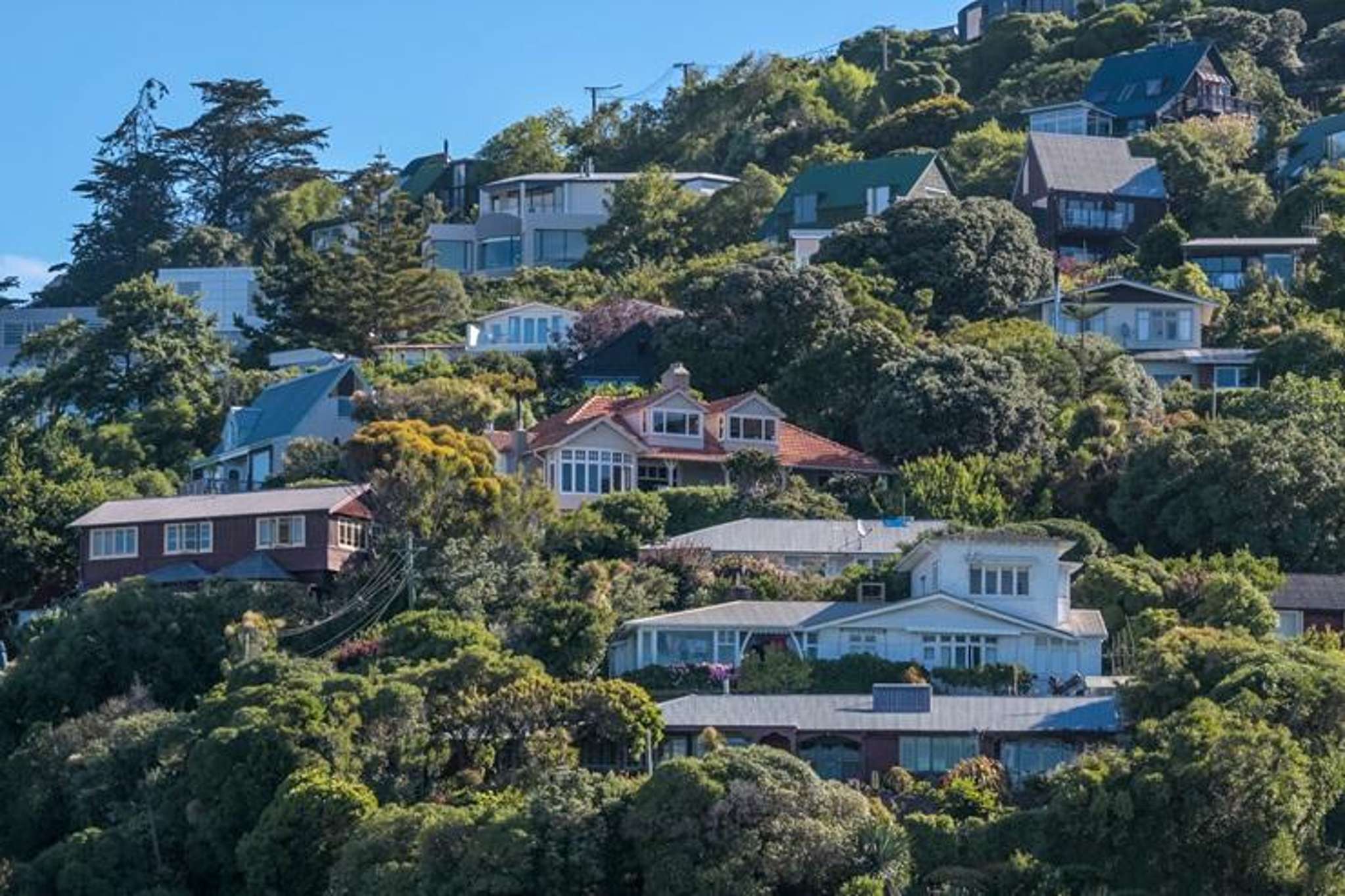
Hardest hit is Wellington, where the average property value has fallen by 1.3% in the last six months to $851,000. To put that figure in perspective, that’s only 9.9% above the region’s average property value five years ago.
Values in seven more regions are below where they were at the start of the year, including Nelson (-1.1%); Auckland (-0.9%); Northland (-0.7%); Hawke’s Bay (-0.5%); Manawatu-Whanganui (-0.2%); Bay of Plenty (-0.1%); and Waikato (-0.1%).
In most cases, the decreases aren’t huge, but they do reflect the price sensitivities of the market right now.
The price growth enjoyed by the seven regions ahead of their January tallies is similarly modest. Marlborough’s average property value grew the most, by 2% to $776,000, but the value rises in Gisborne, Canterbury, Otago, Tasman, Taranaki, and Southland were between 1% and 1.8%.
Christchurch and Queenstown-Lakes enjoyed modest value rises of less than 2% over the last six months, but the rest of the major metros weren’t so lucky, with values falling rapidly in the capital by 2.4%.
The limits on price growth were also evident at a suburb level. The average property value in more than half of the suburbs covered in OneRoof’s analysis was up from six months ago, but the average rise was less than 2%. The average value drop for the remaining suburbs was also less than 2%.
Not immediately apparent from these figures, though, is the choppiness in this year’s housing market. Most of the country’s rising suburbs have come off the boil in the last quarter, with values a third lower at the end of June than they were at the end of March.
The biggest six-monthly increases were in Moana (+10.2%), Mataura (+7.4%) and Arrowtown (+6.3%), but only Mataura and Arrowtown have continued to record strong value growth since the end of March.
The analysis also identified 83 suburbs, mostly in Canterbury, where prices reached new heights in the last six months, and another 65 that are less than 5% off their post-Covid peak.
Canterbury overall exceeded its post-Covid value peak of $798,000 by $1000 at the start of June, but its average property value has since slid back to $798,000. The average property value in Christchurch is just $3000 shy of its post-Covid peak of $802,000.
Overall, suburbs in the capital seem to be struggling the most, with Wellington Central recording the biggest drop over the last six months. Its average property value fell 8.2% ($41,000) to $457,000. Only two Wellington suburbs, Karori and Khandallah, saw value growth over the same period, although it was less than 1%.
The biggest dollar drops were in Oriental Bay (-$120,000); Beerescourt (-$76,000); Peacocke (-$74,000); and Wharewaka (-$71,000).
The biggest dollar gain was in Arrowtown, where the average property value jumped $178,000 over the last six months. Two more wealthy suburbs – Lake Hayes and Stanley Point – were also up by more than $100,000.