- House prices in New Zealand have grown by almost $400,000 in the last 10 years.
- Gisborne, Manawatu-Whanganui, and Southland saw over 130% growth, while Auckland’s growth was 38%.
- Patea, Castlecliff and Mangakino experienced over 260% increases, with properties still under $500,000.
New Zealand house prices have grown by almost $400,000 in the last 10 years, but the post-Covid slump has brought the market to a standstill in some regions, new research shows.
Start your property search
OneRoof and its data partner Valocity have measured the changes in the average property value since 2015 and identified the towns and suburbs where house prices have grown the most and the locations that are showing signs of stagnation.
Multiple factors have affected New Zealand’housing market since 2015, the year many commentators thought was a crisis point for the market. Building activity, immigration, interest rates, and the Covid pandemic have all impacted house price growth.
At the same time, shifting political priorities and changes in society have had an impact on the market.
The OneRoof-Valocity analysis found that many of New Zealand’s lower-value regions outperformed the country’s biggest market by a huge margin. The average property value in Gisborne, Manawatu-Whanganui, and Southland grew by more than 130% in the last 10 years, compared to less than 40% value growth in Auckland.
Regional New Zealand's strong performance can be attributed to the extremely low base from which prices started in 2015, with homes typically selling for $300,000 or less in many of the regions listed above.
Discover more:
- Former gang town is NZ's hottest suburb - why house prices quadrupled
- Cricket star's former home sells for $2m - more than $300K above RV
- Lion Man lived here: Former big cat sanctuary with tragic past for sale
The trend can also be seen at a district level. House prices have more than doubled in 48 territorial local authorities in the last 10 years. 2015’s cheapest town for property, Kawerau, saw its average property value more than triple, jumping 256% from $118,000 to $421,000.
The last 10 years have been a mixed bag for the country’s biggest housing markets.
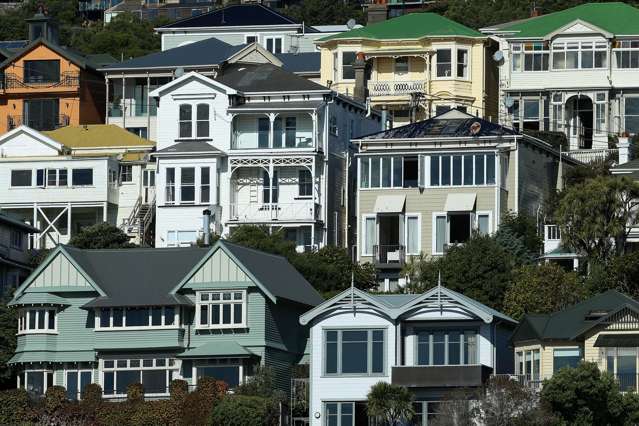
Wellington City’s growth rate was one of the strongest between 2015 and 2020 - up 64% - but property values in the capital have grown just 2.1% in the last five years, thanks to an almost 30% plunge in values post-Covid.
Property values in Christchurch, on the other hand, barely grew between 2015 and 2020 - up just 7%. However, property values since 2020 have jumped more than 50%.
The major metro that changed the most in the last 10 years, however, is Queenstown. In 2015, buyers could expect to pick up a home in the wealthy enclave for less than $900,000. Now, the average property value is just over $2m, and is continuing to grow.
Auckland’s 10-year growth figure, at 38%, is the lowest in the country, highlighting a near-reversal of fortunes for the city’s housing market. It was the almost 70% value growth that Auckland saw in the five years before 2015, compared to just over 30% nationwide, which alarmed commentators and put legislators on notice.
Auckland’s rapid climb to an average property value of $1m – achieved in 2016, according to the OneRoof-Valocity figures - had an impact on prices in the rest of the country, as did attempts to slow the market down.
First-home buyers and investors looking for better deals fanned out, with Hamilton and Tauranga property values accelerating in the years immediately after 2015 as a result of increased buyer attention.
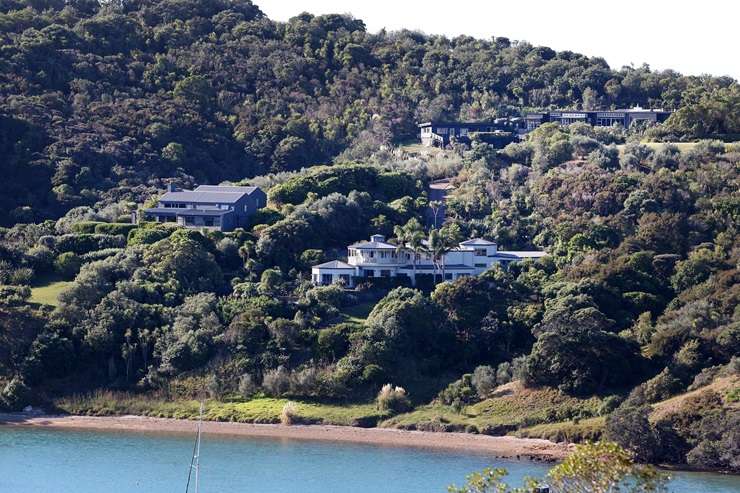
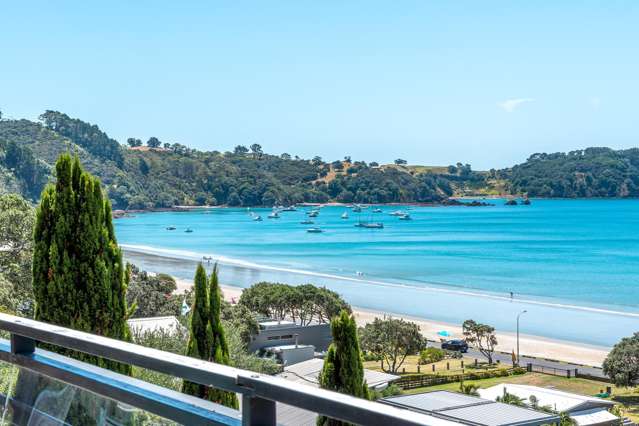
The average property value on Waiheke Island has jumped $1.6m in the last 10 years. Photo / Fiona Goodall
Even against the backdrop of an overall slowdown in the city’s housing market, some Auckland suburbs enjoyed big dollar gains in the last 10 years. Of the 17 suburbs that enjoyed $1m-plus lifts in their average property value, more than half were in Auckland, including Waiheke Island (+$1.6m); Omaha (+$1.5m); and Point Wells (+$1.4m).
The biggest dollar lifts were in Arrowtown and Lake Hayes, up $1.9m and $1.8m respectively over the last 10 years. New-build activity in these suburbs, where old stock has been replaced by ultra-modern and expensive homes, and demand for property in exclusive waterfront or lifestyle areas have driven this change.
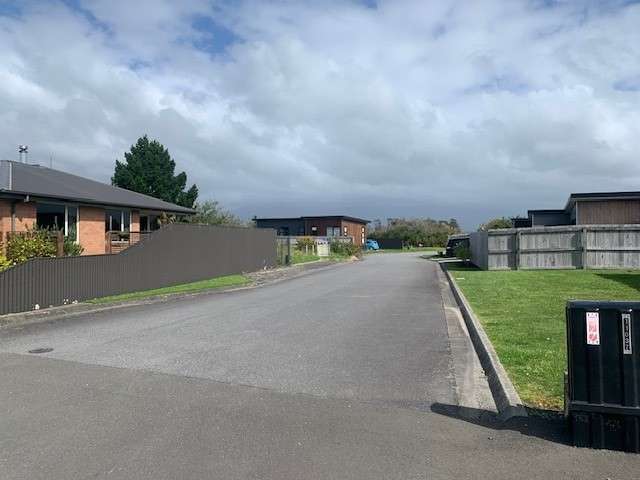
The research found that the biggest lifts in percentage terms took place at the bottom end of the market. Patea, in South Taranaki, Castlecliff, in Whanganui, and Mangakino, in Taupo, all saw their average property value jump more than 260% over the last 10 years. And, amazingly, houses in all three can still be picked up for less than $500,000.
- Click here to find properties for sale