ANALYSIS: It looks like we’re in the middle of a round of fixed mortgage interest rate rises from the main lenders, and it is not all that surprising this is happening given recent rises in wholesale borrowing costs. For instance, the cost to a bank of borrowing in the markets at a fixed rate for two years currently sits near 3.7% from 3.55% a fortnight ago and 3.35% four weeks back.
This 0.35% rise in the past four weeks has also roughly occurred for other key time periods, and because all banks pay these costs, the rises that have so far only been made by one or two lenders will soon be made by the others as well.
Couldn’t the banks cut their lending costs by borrowing at a different term than the one they lend at? For example, if they offer customers a fixed two-year rate of 5.2% and borrow at the current 90-day rate of 2.95%, they make a nice margin of 2.25%. This is better than the 1.5% margin from borrowing at a two-year fixed rate.
Start your property search
The problem is that New Zealand has had spells of rapid and unpredictable changes in short-term interest rates. Our central bank tends to flip-flop on monetary policy, partly driven by a failure to recognise shifts in the economy until too late, but perhaps also by excessive confidence in its ability to keep inflation near 2%.
Whatever the reason, we have seen big rate changes in the past which have caught everyone by surprise and what might start out looking like a good lending margin can disappear very quickly.
Discover more:
- Tony Alexander: Housing market finally picks itself off the floor
- Home loan stoush: Bank denies it is 'trying to squeeze out brokers'
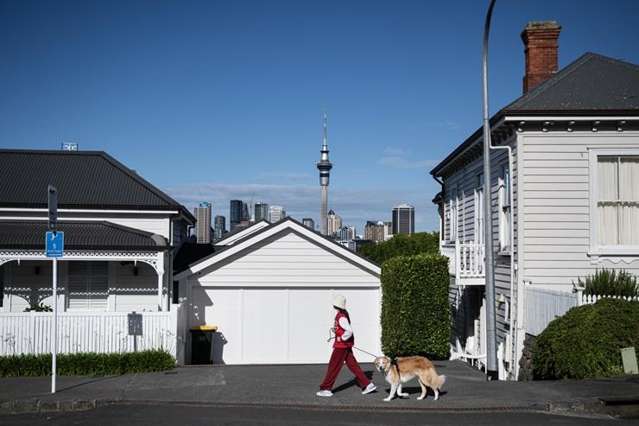
- Historic Ponsonby villa sells for $1.34m - nearly $500K below RV
Banking is all about managing risk, and one of the riskiest things to do is lend fixed and borrow floating or at a far shorter time period. So, when the market wholesale fixed rates go up, it is only a matter of time – sometimes days but usually a week or two – before the banks lift their lending rates, as is happening now.
Why have these wholesale borrowing costs risen so quickly recently? Partly it is because our central bank has recently indicated a greater level of concern about inflation than expected, and this has boosted market expectations that it will raise the Official Cash Rate in September and October.
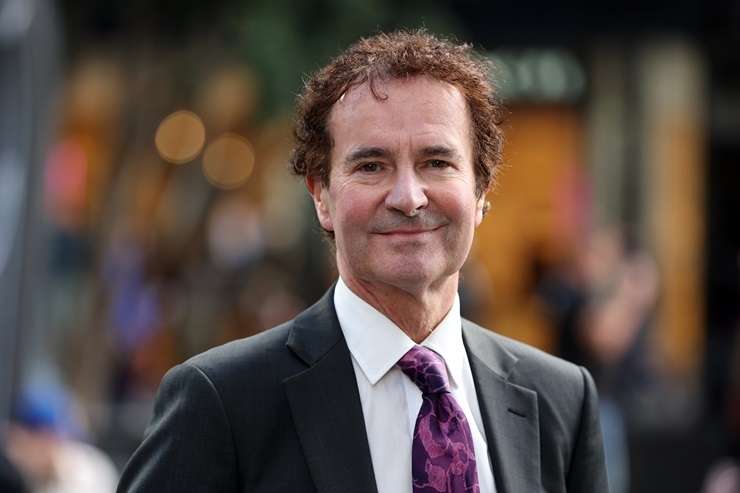
Independent economist Tony Alexander: “Will our mortgage rates go higher? Yes, as monetary policy tightens further and as borrowing costs rise offshore.” Photo / Fiona Goodall
But the jump back up in international oil prices and now our fuel prices in response to the resumption of hostilities in the Middle East has pushed interest rates higher offshore, and that has fed through to rates in New Zealand.
Will our mortgage rates go higher? Yes, as monetary policy tightens further and as borrowing costs rise offshore. But eventually we reach a point in every interest rate cycle where the rises happen mainly for the short time periods like one and two years, whereas for longer time periods, rises are smaller.
In fact, you can get a situation where short, fixed rates go up at the same time as long rates go down. This can happen when it is becoming obvious that the economic outlook is bad, the inflation outlook therefore is good, and monetary policy will soon be eased.
We are well off reaching that point, and borrowers should anticipate that all fixed mortgage rates will creep upward.
- Tony Alexander is an independent economics commentator. Additional commentary from him can be found at www.tonyalexander.nz