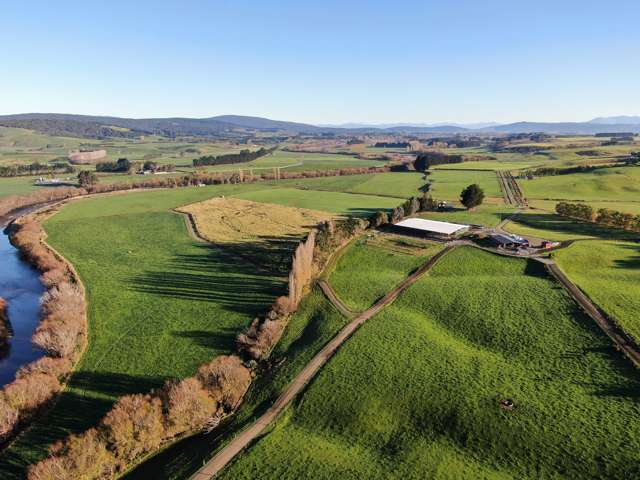
ANALYSIS: One of the interesting things happening in the economy at the moment is that farm incomes are on the rise. That's having an impact on housing markets in rural and regional New Zealand.
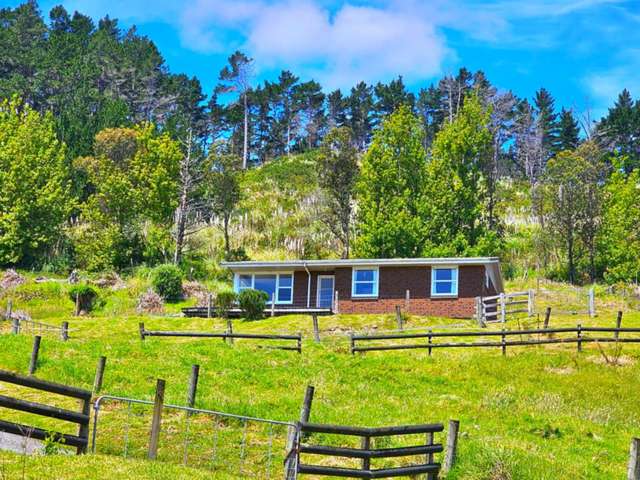
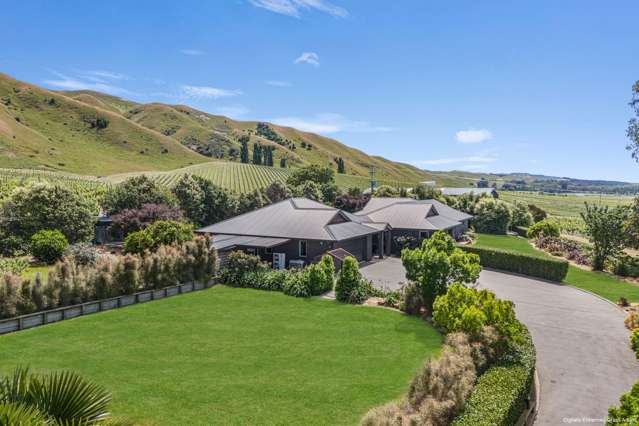
Consider Southland, for example. The average house price in the region rose by 1.7% in the three months to the end of May and was up by 7.5% annually. In contrast, Auckland prices fell by 0.2% over the quarter and 1.5% annually.
Wellington, hit by the absence of both major film productions and an expansionary government and fall in population, has seen prices drop by 0.7% over the quarter and by 2.6% year-on-year.
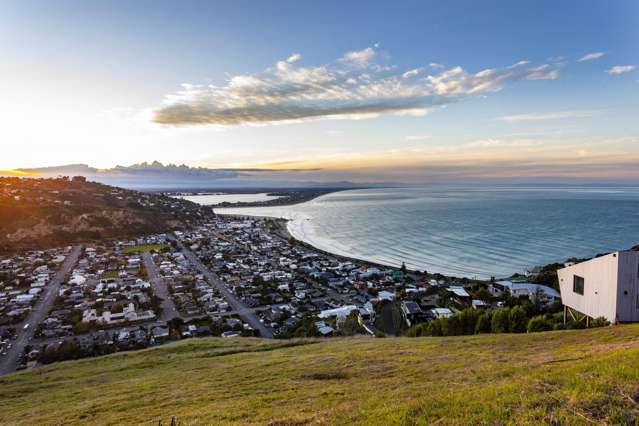
Canterbury sits in the middle of these extremes, with prices up by 1.2% over the quarter and by 3.2% year-on-year. The region has a strong farming base, but that base does not account for as much of its economy as is the case in Southland. However, there is good population growth in Canterbury (Christchurch largely) on the back of good affordability and perhaps a better feeling of firm upward economic momentum.
Start your property search
Will things remain this way with Southland outperforming for an extended period, Auckland stagnant, and Wellington going backwards? Not completely.
Farm incomes don’t rise and rise for years and years. Setbacks occur with poor predictability, and investors who might go to Southland for extra yield (a driver of outside house buying over many decades) eventually turn their attention elsewhere.
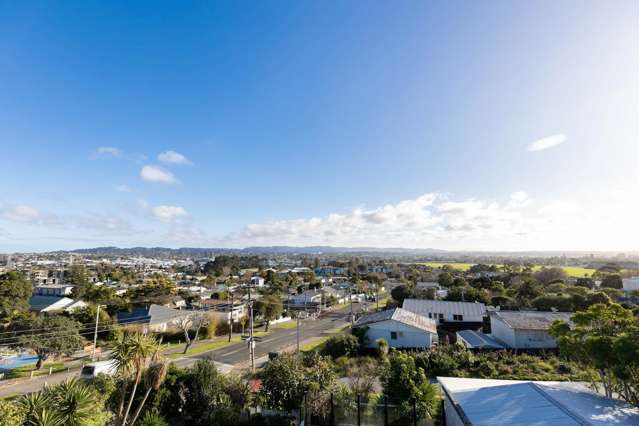
Auckland will eventually feel the feed-through of higher farm incomes in the main primary regions, including Bay of Plenty, Waikato, and Northland. The central city is finally enjoying some upward momentum, and that will continue once the City Rail Link opens later this year. Also, more foreign students are appearing, and tourism growth is improving.
Discover more:
- Tony Alexander: Inflation fears ease - but is that a problem for borrowers?
- Craft beer legends behind Panhead selling their luxury coastal estate
- '32cm encroachment': Troubled apartment block hit by boundary dispute
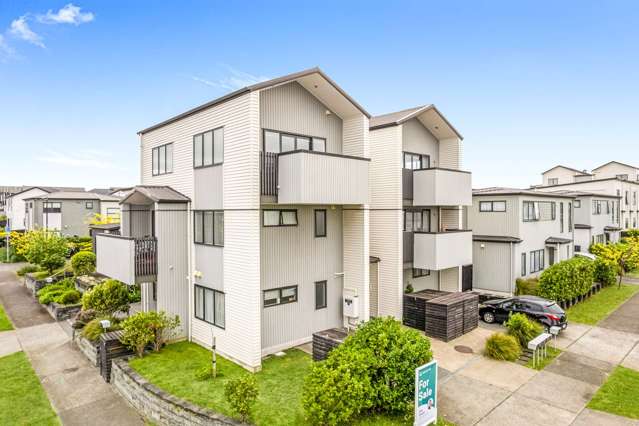
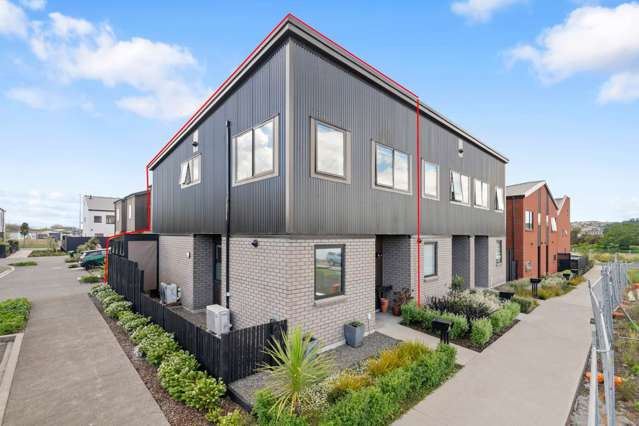
The big bugbear for Auckland is the extent to which the overhang of not highly desired townhouses continues to suppress price growth. That overhang looks like it will stick around well through next year.
For Wellington, my main comment over the past few years of barrelling woe has been this. It is undergoing a process of falling back to its true equilibrium, just as many regional towns did in the 1980s and 1990s after farm subsidies and local manufacturing protections were removed in the Rogernomics years.
Wellington is adjusting downward to reflect at least the two factors already noted above – absence of the initial Lord of the Rings effect and disappearance of a government boosting public debt over 80%. It also has a big chook coming home to roost in the form of delayed water infrastructure spending and the resulting incentive provided to all ratepayers to shift elsewhere. The current projection is of the average annual water bill rising from an expected $2400 this year to $7100 come 2036.
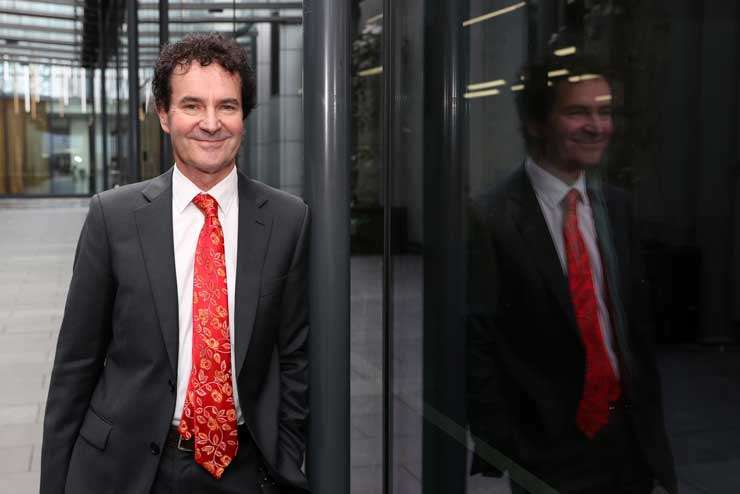
Independent economist Tony Alexander: "Auckland is finally enjoying some upward momentum, and that will continue once the City Rail Link opens later this year." Photo / Fiona Goodall
That will be an untenable burden for older people receiving only superannuation payments and for many young people as well. The risk for Wellington’s population is of additional shrinkage in the coming decade, especially for the somewhat dowdy Wellington City part of the five-city region.
There is likely to be internal migration in the region towards Lower Hutt, Upper Hutt, Porirua, and the Kapiti Coast, with spillover into the Manawatu-Wanganui as the roading network expands.
Between 2007 and 2015, house prices in Wellington Region rose by 4.6%, while they increased 32.3% nationwide. A repeat of that relative performance may well be underway again.
- Tony Alexander is an independent economics commentator. Additional commentary from him can be found at www.tonyalexander.nz