When you’re scrolling on your phone, the design possibilities for a new home can feel endless. For better or worse, platforms like Pinterest and Instagram have made finding inspiration easier than ever.
Before too long, though, you’ve got a camera roll filled with dozens of screenshots of disparate design ideas and aesthetics that were never meant to co-exist, and you’re pondering how to fit a butler’s pantry, courtyard and breakfast nook into your home while staying under budget.

When there are so many promising ideas, the real challenge is distilling them into one cohesive plan.
Start your property search
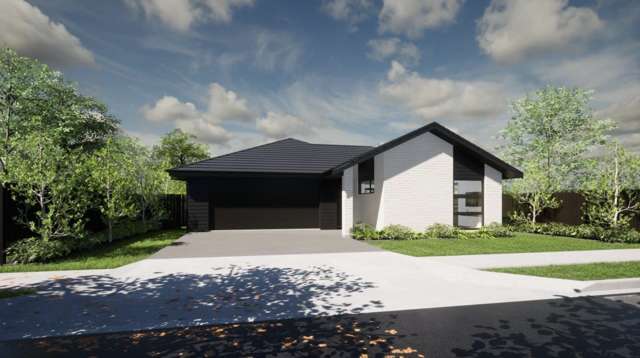
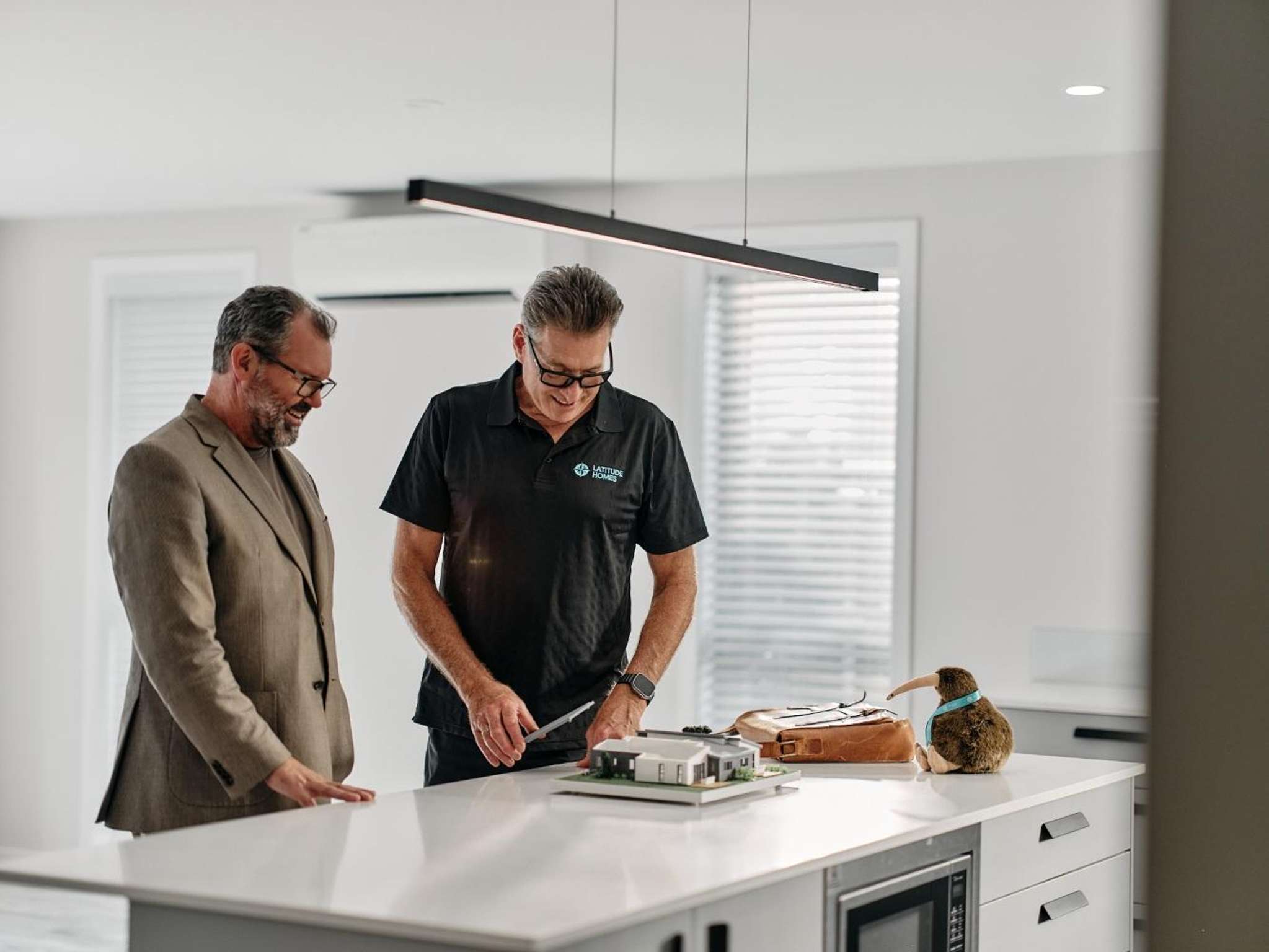
That gap between inspiration and a final decision is something Adam Paterson sees all the time. He’s the head of new home sales and business development at Latitude Homes Auckland, where the starting point is a conversation about how clients live, what matters to them, and what they can afford – not a floor plan they have to fit themselves into.
Paterson says clients can sometimes arrive with a scattered mix of ideas but without knowing how to bring them together. On something as big as a new build, that’s both incredibly stressful and, unfortunately, a common experience.
The key to a well-run design process is beginning with the people who will live in it, says Paterson, rather than a particular aesthetic or floor plan.
Latitude Homes makes a relationship-focused approach a priority, helping clients avoid being overwhelmed by options early on. Once trust is established, it allows the team to be more decisive on a client’s behalf later in the process.
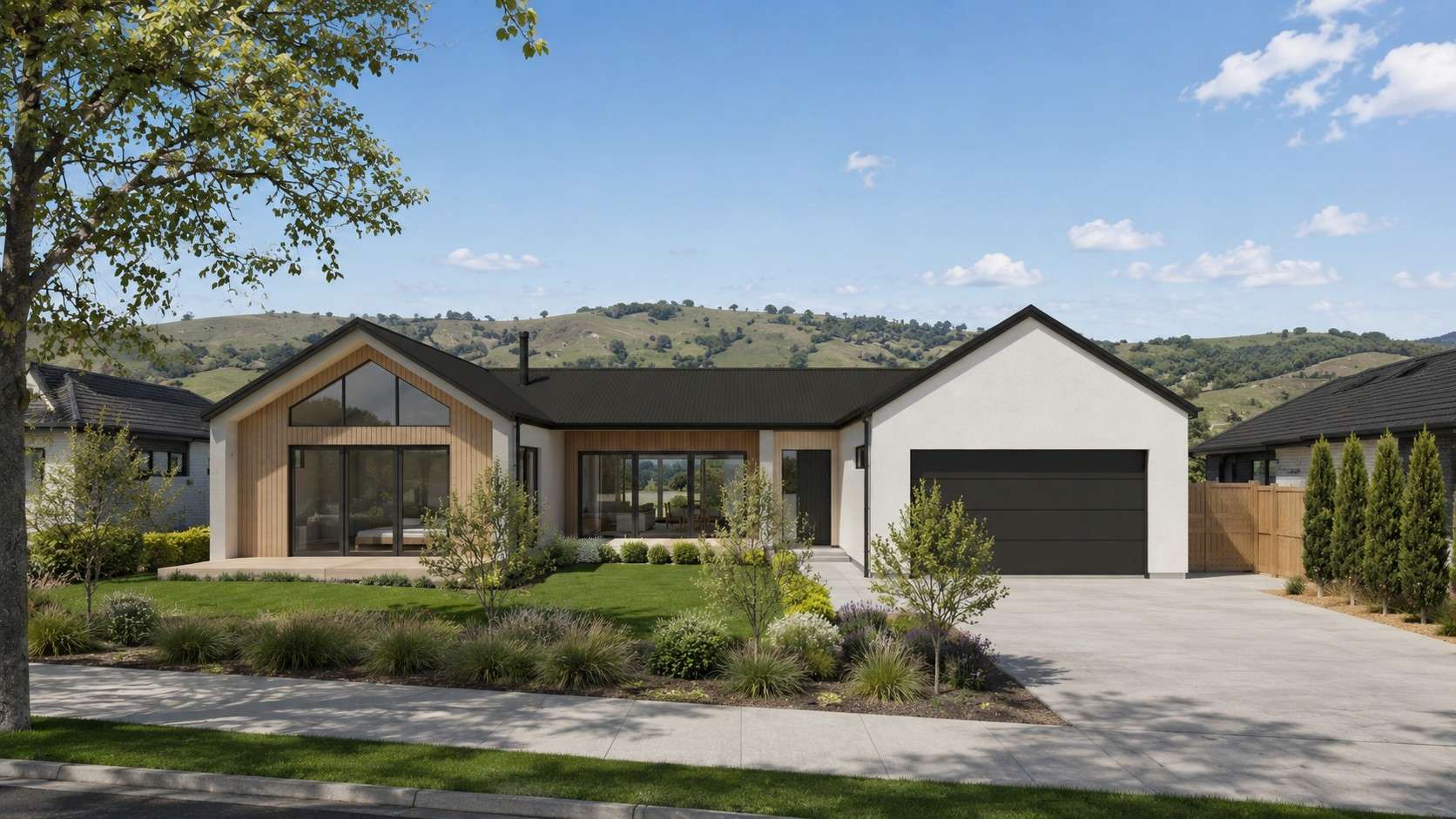
“The main thing is we're people-centred, not product-centred,” Paterson explains. “Curation is a really important part, but honestly it's the human connection first. It's understanding and listening to the client.”
A scattergun approach to design is what tends to create what’s known as ‘decision fatigue’, the exhausting sense of having too many options and no way to know which to pursue and which to drop.
It doesn’t help that some of the most Pinterest-friendly trends come with trade-offs that aren’t obvious when you’re just scrolling through photos.
Take Japandi, the blend of Japanese minimalism and Scandinavian functionality that’s seen online searches skyrocket in recent years. It looks striking on a screen, but the pared-back storage is often at odds with the realities of a busy family home – leaving little room for the everyday clutter of real life.
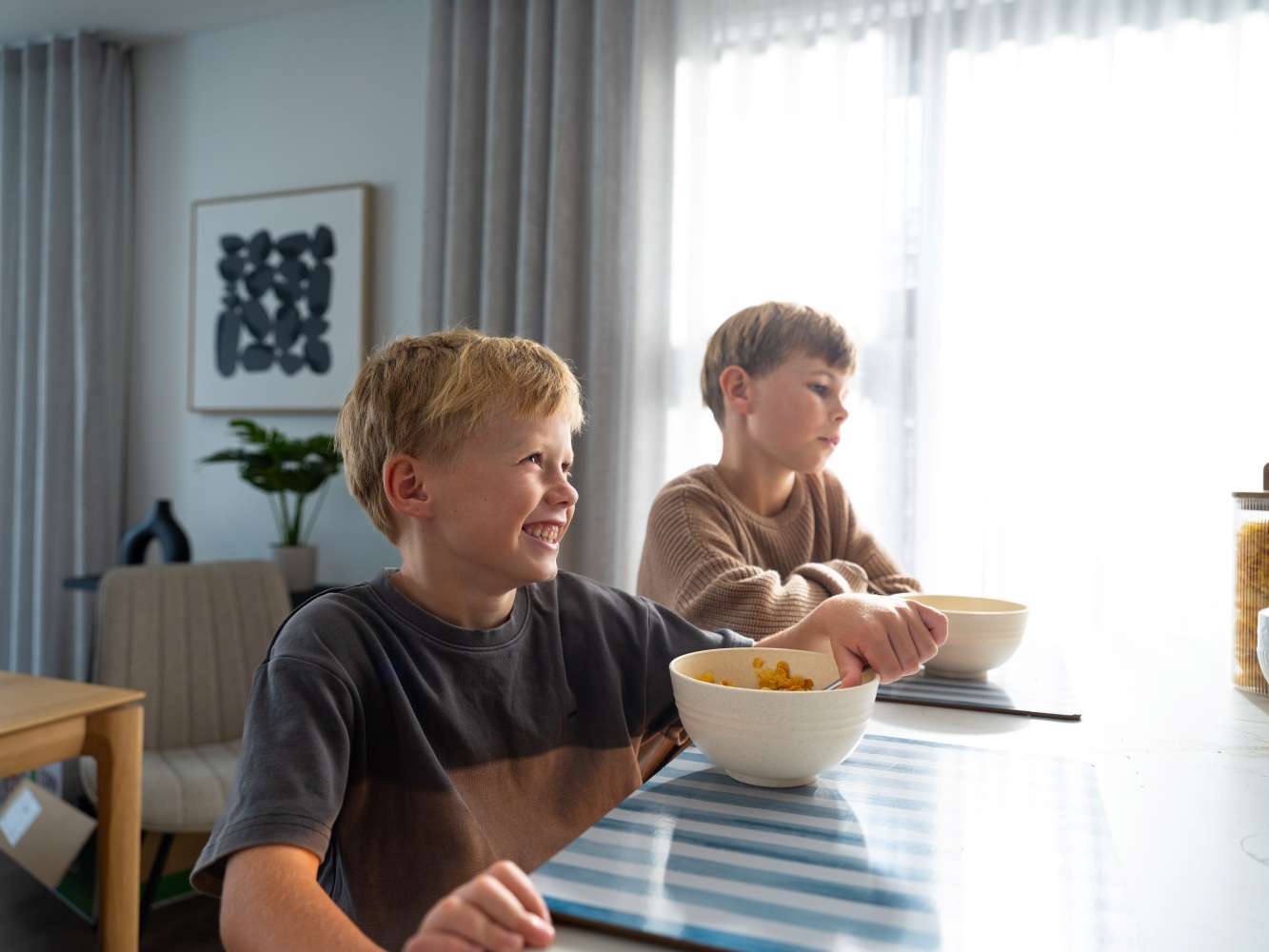
The same goes for matte black tapware and fittings, a favourite on renovation shows like The Block. It’s a sleek look but shows water spots and fingerprints fast, and can wear quicker than lighter finishes.
Open shelving is another popular choice, prized for adding warmth and personality to a space – but it comes at the expense of storage, and only works if what’s on display is genuinely worth showing. Otherwise, it easily becomes another spot for clutter and dust to gather.
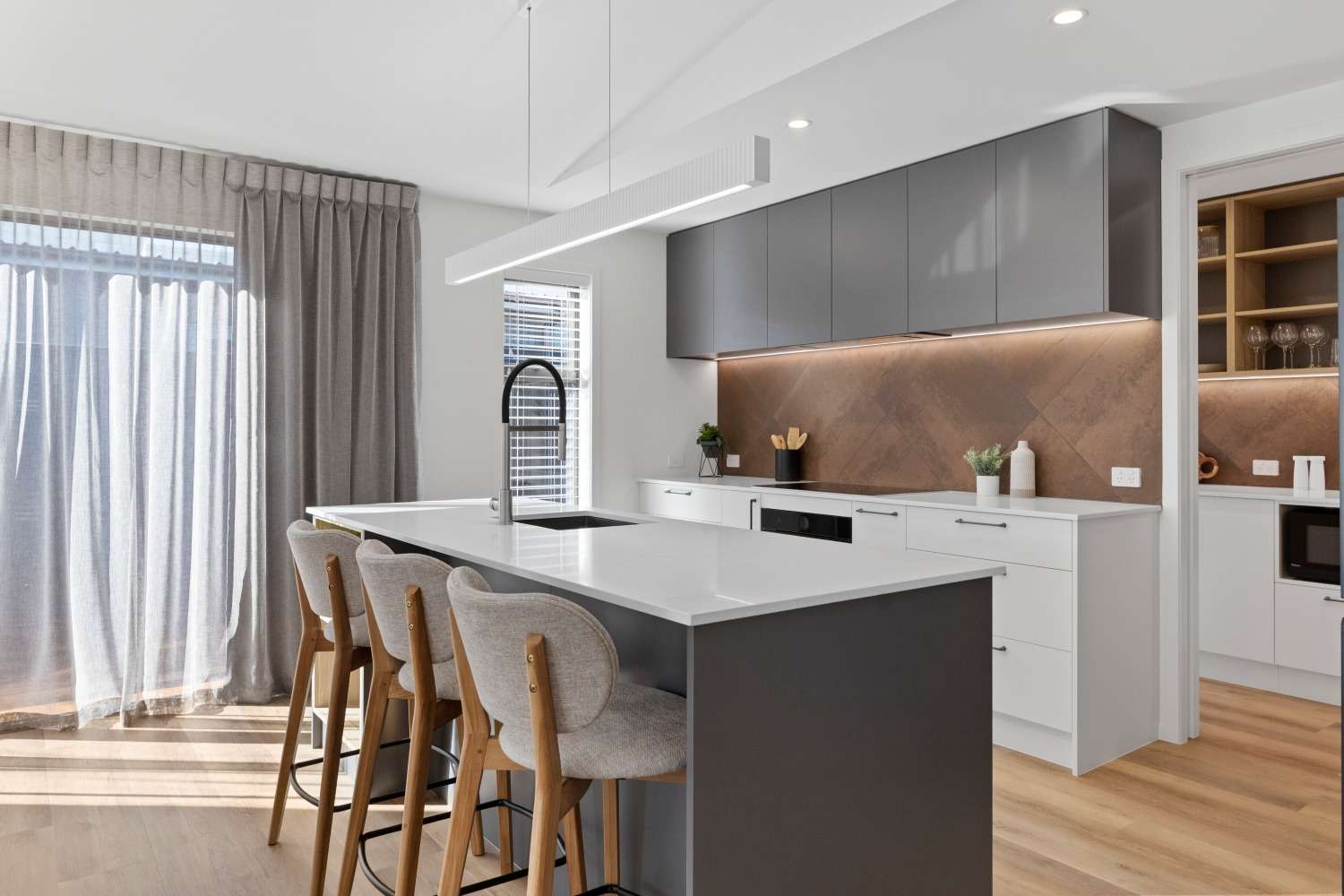
Of course, none of these trends are wrong choices on their own, but stacked together with a dozen other ideas, they can pull a design in conflicting directions and leave clients further from clarity than when they started.
Sometimes, Paterson says, the best advice is to reduce complexity. On other occasions, it’s seeing a pattern to a client’s preferences and suggesting complementary elements that might not have been considered yet.
This awareness lets Latitude Homes tailor its approach to a wide range of needs.
Some client journeys take two years, others take three months, Paterson says – and while some people arrive decisive and clear on what they want, others need someone willing to listen, do the research, and find the right solutions on their behalf.
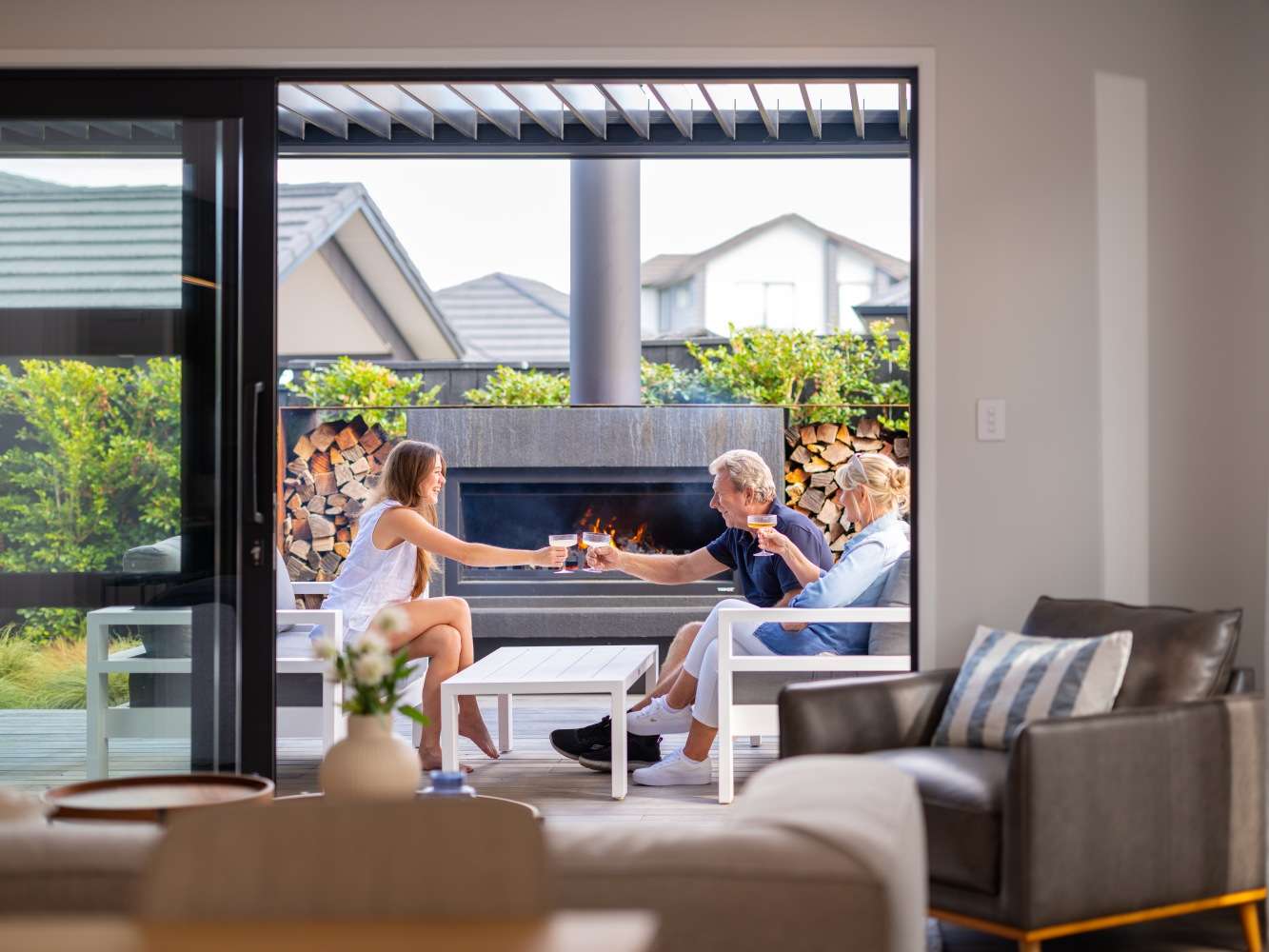
“Lifestyle determines everything,” Paterson says, with clients getting so caught up in the design and build itself that they lose sight of what a space actually needs to do for their daily lives.
How much input a client needs also varies.
“Sometimes having someone experienced guide the process can make a huge difference to the end result,” Paterson says. “And sometimes the client just wants freedom to achieve whatever it is they want.”
What stays consistent, Paterson says, is that the earlier people engage with someone who knows what they’re doing, the clearer and smoother the journey tends to be.
“It’s really about understanding the people, understanding how they spend their lives, what tasks they do, and reflecting that in the design.”
To find out more, visit latitudehomes.co.nz