
In today’s hyper-connected world, only the best connectivity is good enough, says Tuatahi First Fibre’s chief customer officer Richard Riley. “Quite simply, that means fibre, wherever and whenever possible.”
With New Zealand’s Ultrafast Broadband network now well-established, Riley says fibre remains the gold standard for most North Island homes. Nearly 90% of premises in Tuatahi’s network area already have fibre installed. “Of course, there are options like fixed wireless and even various low-earth satellite options. These alternatives certainly have their place – especially where fibre is not available – but you cannot beat fibre for a balance between connection speeds, low latency, and value for money.”
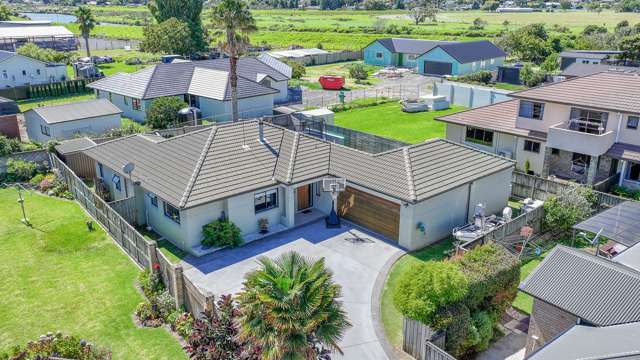
It’s easy to forget that the fibre rollout began nearly 15 years ago. Demand surged with the rise of streaming, and installations were once hard to secure as local fibre companies raced to find enough technicians. But the landscape has changed, says Riley. “In most cases, if you’re moving house, it’s a simple case of changing address, as everything’s set up already – the fibre and the optical network terminal are already there, so there’s no need for a new install. It’s just as easy as sorting the power.”
Riley believes quality broadband is now a utility - just as essential for daily living as water and electricity. “That’s really why fibre remains the best connection. It is so reliable that these days, once you’re connected, you don’t need to bother your service provider,” he says, noting that the old days of modem resets and support calls are fading fast. “Fibre connections leave that in the past, where it belongs. And that’s thanks to the technology behind it.” Unlike the copper network, which was designed for phones, fibre is purpose-built for fast, consistent internet.
Start your property search

“Fibre is clearly the superior choice for anyone who values performance,” Riley asserts. “It’s not just about speed – though fibre delivers that in spades with averages in excess of 800 Mbps on Fibre Max plans – it’s about the stability and capacity that modern households demand.”
“It’s about families juggling multiple devices – kids gaming, parents working from home, and maybe a grandparent video-calling from overseas. Fibre handles all that effortlessly. Other technologies like fixed wireless might get you by... but they often struggle under pressure from multiple devices and high-demand households. Fibre doesn’t flinch.”
Fibre is now widely available, including in many regional areas. Entry-level plans start from around $65 a month, offering the same low latency and reliability as higher-tier services, and in many cases still without data caps.
Tuatahi First Fibre, established in 2011 as Ultrafast Fibre, now serves over 250,000 homes and businesses across the central North Island. The company’s name – meaning ‘first’ in te reo Māori – reflects its commitment to being at the forefront of connectivity and digital opportunity.
And as technology continues to evolve, fibre’s headroom keeps growing. “Already, power users can get connections of up to 4 Gbps with Hyperfibre, and latency as low as six milliseconds. That’s only going to improve.

“Once the fibre is in the ground – and it mostly is – the optical equipment keeps developing, providing ever-faster connections.”
“Fibre is the best option because it’s built for today and tomorrow,” Riley adds, before adapting an iconic telecommunications claim to affirm: “The future’s bright… the future’s fibre!”
Moving house? Don’t leave your fibre connection to chance – arrange it at the same time as power and water.
Check if fibre is ready at your new address: Tuatahi Fibre Moving