OneRoof’s Ask the Expert is a new weekly series aimed at helping consumers cut through the noise when buying goods and products for their home. It’s hard to make a decision when there’s so much out there, and the sheer volume of online recommendations is overwhelming. We live in an age of fake reviews, so who better to trust than the people who have the expertise and use these items for a living?
As lawns surge back to life over spring and summer, many homeowners are weighing up whether it’s time to go electric. With improvements in battery life, cutting power and affordability, electric lawnmowers are becoming a serious alternative to traditional petrol models.
We asked professional landscape and lawn contractors what they’re using and what you should be looking for when you choose an electric lawnmower.
Troy Hillard, managing director of the Rite Group, which includes Lawn Rite, started moving his business away from petrol about two-and-a-half years ago, with the entire fleet now electric. He says there were two main drivers for the decision - sustainability and technology.
Start your property search
“You’ve got the commercial aspect, lowering the carbon footprint and then the technology. Petrol mowers haven’t changed in 30 years.”
He says electric mowers are at a point where the technology is viable and worthwhile. “The cost is a tiny bit more, but then you don’t have the cost of fuel and maintenance. It just works out better.”
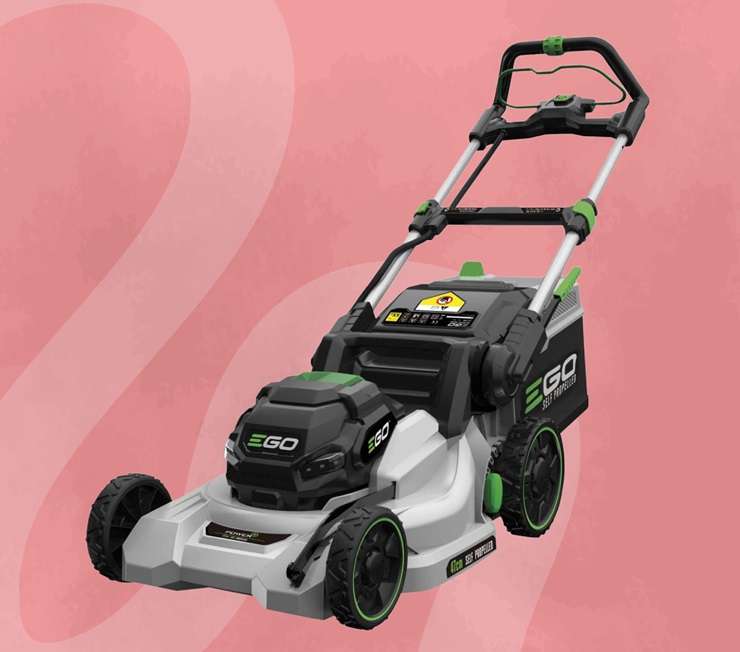
The Ego Cordless Lawn Mower is popular with professionals. Photo / Supplied
The entire Right Group uses Stihl for both commercial and residential mowing. “They probably aren’t the cheapest, but quality-wise you can’t beat them,” he says.
At home, Troy uses a self-propelled Stihl electric mower designed for large residential or light commercial lawns, with the product able to handle up to 500sqm.
While makes like the RMA448 are suitable for larger lawns, for smaller sections, he recommends the Stihl RMA 235 Battery Lawnmower.
He says one battery will easily do a standard residential lawn, as long as you choose the right size, and they deliver comparable power and quality to petrol versions.
Discover more:
- The best cordless stick vacuum cleaners - what the experts use to keep homes clean
- Hollywood stars hot for Waiheke's 'Cold War bolthole' and the NDAs are flying
- Iconic pub set to re-open after owner abandons sale - 'it just didn’t feel right'
His advice for anyone considering an electric mower is to invest in quality, as cheaper models don’t last when used heavily. “Most budget mowers won’t last more than a year if used commercially. Spend properly so it lasts at least ten years.”
He also recommends sticking to one battery system, so all your tools are in the same brand family, and for homeowners to choose the right mower for their property size. Smaller lawns can use lighter, compact models; for large or sloped lawns, you need self-propelled and higher-powered models.
Roy Ford, owner of Rapid Refresh in Christchurch, says his team is fully battery-powered for ease of use, lower noise, and convenience. They currently use a Greenworks Electric mower, but are planning to shift to a Makita mower to keep the batteries compatible.
Greenworks has an entry-level mower for smaller sections, through to a more powerful 80V self-propelled model to tackle larger lawns.

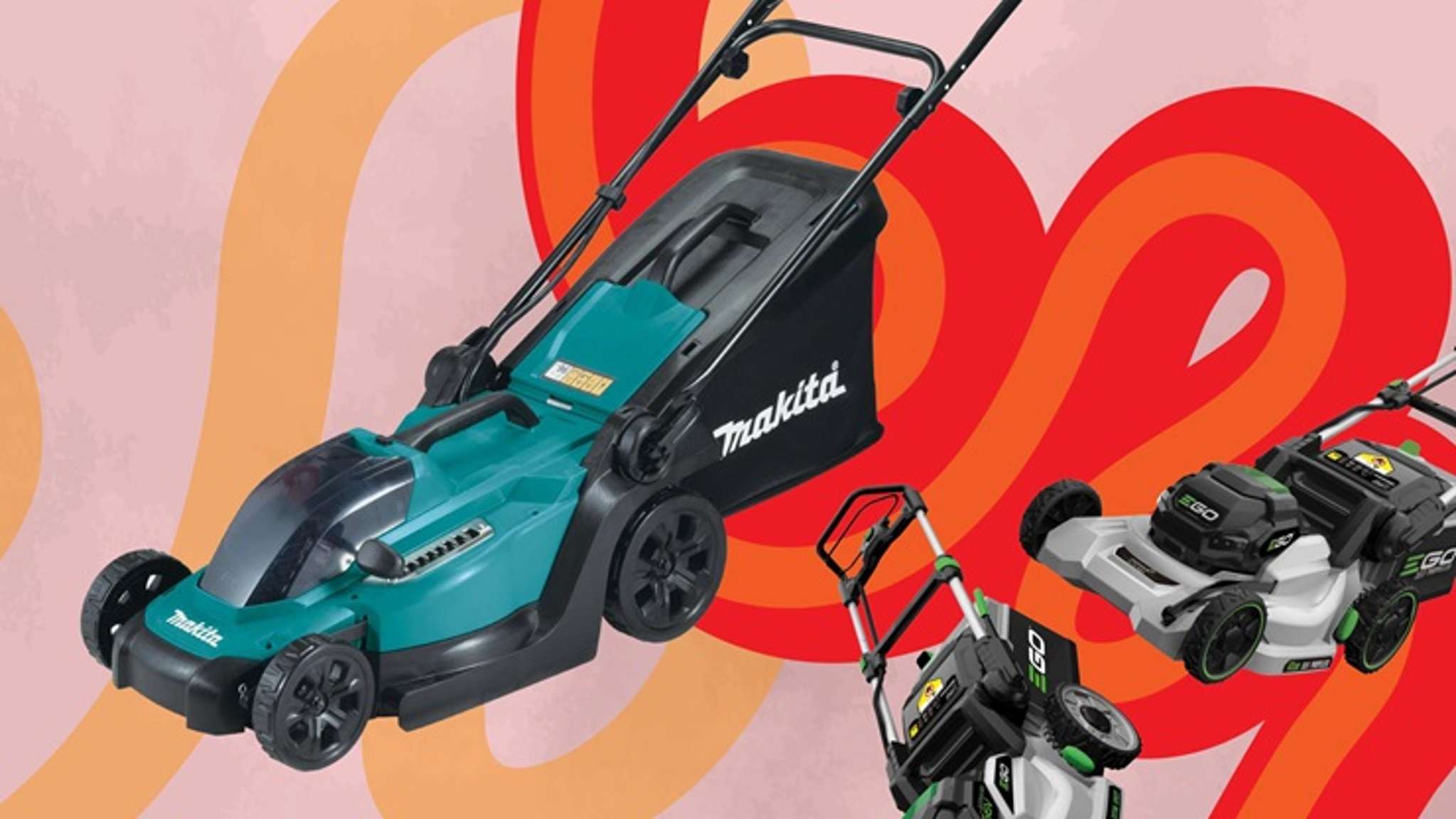
The Makita Lawnmower 18 Volt model is good for smaller lawns where tight turning is required. Photo / Supplied
Ford says other good electric mower options for homeowners include the Ozito, which can be found at Bunnings at an affordable price point and with a five-year warranty.
He says Ryobi, Makita, and Ego all offered good battery ranges, but the Ego was probably the best-known electric mower in New Zealand.
The Ego Power + is touted as one of the most powerful non-petrol mowers on the market, but there is a self-propelled version for larger lawns.
Ford was planning to go with a Makita self-propelled, where one battery charge can cover roughly 1740sqm, depending on grass length. For larger or multiple properties, he suggests keeping spare batteries and charging overnight. There is also a Makita version for small lawns where tight turning is required.
While electric mowers were excellent for regular maintenance, if you let your lawns get out of control, it would be a tougher job, he says. “If you let your lawn get absolutely out of control… the longer it gets, the harder it’s going to be. High-end models like top-tier Ego or Makita can handle the tougher lawns but may still need a second pass."
Ford also recommends sticking to one battery system and matching the mower to your section size. For a small 60-80sqm lawn, he believes a mid-range $500–$600 mower with two batteries can easily do the job. Larger or commercial areas would need higher-spec models like the Makita, or Stihl. He also encourages people to consider the warranty and support available.
And stay on top of mowing. Electric mowers perform best on regularly maintained lawns, not overgrown grass, he says.
- Click here to find properties for sale